Get our latest staff recommendations, award news and digital catalog links right to your inbox.
Table of Contents
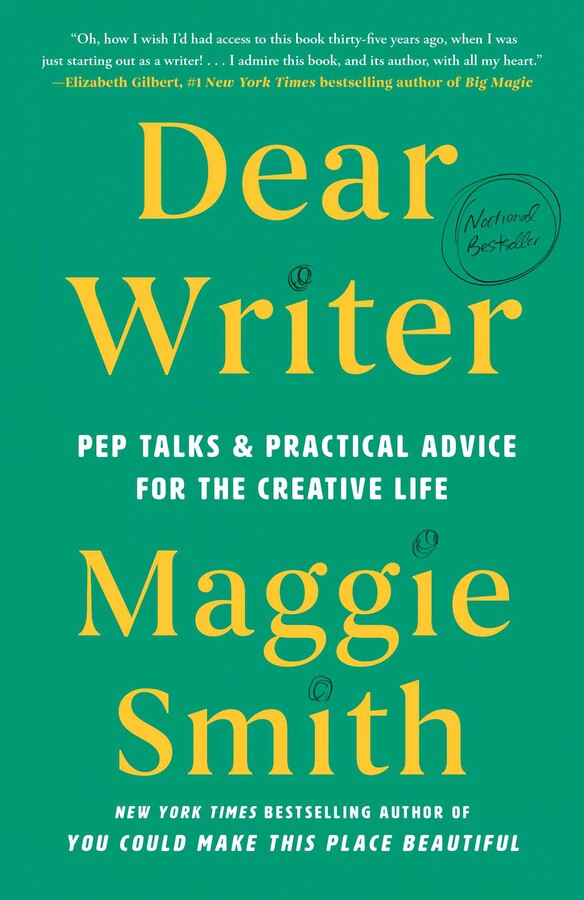
About The Book
INSTANT NATIONAL BESTSELLER
New York Times bestselling author and poet Maggie Smith distills creativity and the craft of writing with a practical guide perfect for fans of Elizabeth Gilbert’s Big Magic and Anne Lamott’s Bird by Bird.
Drawing from her twenty years of teaching experience and her bestselling Substack newsletter, For Dear Life, Maggie Smith breaks down creativity into ten essential elements: attention, wonder, vision, play, surprise, vulnerability, restlessness, tenacity, connection, and hope. Each element is explored through short, inspiring, and craft-focused essays, followed by generative writing prompts. Dear Writer provides tools that artists of all experience levels can apply to their own creative practices and carry with them into all genres and all areas of life.
New York Times bestselling author and poet Maggie Smith distills creativity and the craft of writing with a practical guide perfect for fans of Elizabeth Gilbert’s Big Magic and Anne Lamott’s Bird by Bird.
Drawing from her twenty years of teaching experience and her bestselling Substack newsletter, For Dear Life, Maggie Smith breaks down creativity into ten essential elements: attention, wonder, vision, play, surprise, vulnerability, restlessness, tenacity, connection, and hope. Each element is explored through short, inspiring, and craft-focused essays, followed by generative writing prompts. Dear Writer provides tools that artists of all experience levels can apply to their own creative practices and carry with them into all genres and all areas of life.
Excerpt
1. On Writing Habits
When I say that attention is a form of love, I’m also saying that attention is about devotion and commitment. “Paying attention” is a metaphor in itself: attention a form of currency we pay to things we value. We pay with our time, our energy, our selves. Any artistic practice requires this kind of investment.
Let me say it up front: I’m always writing, but I do not sit down to write every day.
Let me also admit: When I hear or read another writer advise a writing schedule, I roll my eyes. Sometimes, in the interest of playing well with others, I have to roll them in my mind only.
It strikes me as a privileged suggestion—and, yes, one that ignores women’s realities in particular—to assume that one has the time, space, and multiple supports available to make a daily writing practice realistic. When my children were very young, I was rarely left alone long enough to wash my hair without a small human talking to me on the other side of the shower curtain—“Mom, think up an animal and I’ll try to guess what it is!”—so the idea of carving out enough time for sustained thought was, well, you get the picture.
But I have never been a daily writer, not even before children and the demands of adulthood. Even when I had the time and space to write every day, I did not. Yes, there are some exceptions—working on a specific project with a deadline, working on a commissioned piece—but one of the most liberating aspects of writing poems is also one of the saddest aspects of writing poems: one cannot make a living at writing poems. This is true for most people writing in any genre, really. One might make a living by teaching writing, speaking about writing, and editing other people’s work, but most writers don’t support themselves with writing alone. And if one cannot make a living at writing, then writing is freed from the responsibility of supporting us. We choose to do it anyway.
Maybe you don’t write every day either, and you feel a little bad about that. Maybe you’ve heard or read that “real writers” sit down at the same time every day and write for a specific amount of time, or write a specific number of words, before they stop. Don’t get me wrong, I love the idea of writing every day—whether it’s morning pages, or journaling, or just getting a messy draft done. I love the idea, but I don’t do it myself, and I try not to feel guilty about that. What if you’re working multiple jobs, caregiving for children or aging parents, or commuting long distances for work or school?
When I do write, I’m not picky about where or when. I tend to think best in the morning and late at night, but if mid-afternoon is the only open time that day, I can work with that. I usually write longhand first, in a notebook (blank, dotted, lined) or on a legal pad. If I don’t have paper handy, I might type notes into my phone or record myself talking so that I don’t lose the language or the idea.
These days I try to write when my children are at school, and I’ve found it’s best not to be too finicky about the conditions. I like to listen to music when I write, but I don’t have to. I like to work outside in the fresh air, but I don’t have to. I like to work in public—at a coffee shop, ideally—but I don’t have to. I write when I can, as I can, and when it doesn’t feel right to me, I find something else to do in service of my writing every day. That might mean revising an existing piece, or submitting work to a journal, or chipping away at a book proposal, or doing research. Thinking is part of the writing process. Yes, thinking counts.
Real talk: Sometimes we’re writing on deadline. Sometimes we have to write today, or tomorrow, or the next day because we have an essay or a story due. Sometimes we have to write despite competing demands because writing helps pay our mortgage, our rent, our health insurance, our kids’ tuition. The page awaits. I think of it like cooking: I’d prefer to menu plan and take my time to prepare a multicourse meal on my own timeline, but if pressed, I can get a meal on the table pretty quickly. It’ll taste good, too. When you have the tools, you’re able to work quickly and make magic happen in the time you have.
If I don’t have a deadline looming or a specific project I’m immersed in, I make it my business to give myself space. Openness. As in: a couple of hours where I don’t answer emails or run errands. Maybe during that time I read a little bit of a book, which always tends to spur an idea. Or I take a long walk and just try to notice as much as possible about that sensory experience: the light, the air, the sounds. Some of my best ideas are born when I’m moving—walking or driving—so I try to be prepared. I’ll take some quick notes on my phone or jot them down on paper if I’m carrying a little notebook with me. When a metaphor, phrase, or idea comes to me, I don’t know if it’s going to make its way into a poem or an essay, for example. I don’t find that tapping into inspiration is genre-specific. That glimmering idea just wants to become something; I don’t think it cares what.
As I jot down ideas, not knowing what I might do with them later, I think of it as present me doing future me a solid. But sometimes present me needs to do present me a different kind of solid. I might take care of myself in ways seemingly unrelated to my creative work—by spending time with friends, or getting exercise, or watching a film I’ve been wanting to see. No matter what I’m doing, I’m thinking and experiencing. I’m making connections. Inspiration can strike at the unlikeliest of times.
Taking care of yourself is taking care of your creativity. Taking care of yourself as a whole human being is taking care of the writer in you.
But if you still have that “you should be writing every day” voice in your ear, do it! Write every day if you can. If you’re someone who benefits from ritual—same time, same place, same beverage, same music—then lean into that! But if you can’t work in such a regular way, for whatever reason—whether you’re feeling depleted or uninspired, or life’s rhythms and demands aren’t conducive to it right now—I’m inviting you to try this instead: Commit to doing at least one thing in service of your writing every day.
This one thing can be a small thing. You might scrawl some notes in a notebook or revise an existing piece. You might chip away at a book proposal. You might research journals or presses, query an agent, or submit work. You might request books at your local library for a project or do some background reading. Yes, reading counts. Thinking counts. And since I find that I do some of my best thinking in the shower, yes, showering counts, too.
Or you might give yourself space—to think, to dream, to take a long noticing walk, to make connections, to pay attention.
ON WRITING HABITS
When I say that attention is a form of love, I’m also saying that attention is about devotion and commitment. “Paying attention” is a metaphor in itself: attention a form of currency we pay to things we value. We pay with our time, our energy, our selves. Any artistic practice requires this kind of investment.
Let me say it up front: I’m always writing, but I do not sit down to write every day.
Let me also admit: When I hear or read another writer advise a writing schedule, I roll my eyes. Sometimes, in the interest of playing well with others, I have to roll them in my mind only.
It strikes me as a privileged suggestion—and, yes, one that ignores women’s realities in particular—to assume that one has the time, space, and multiple supports available to make a daily writing practice realistic. When my children were very young, I was rarely left alone long enough to wash my hair without a small human talking to me on the other side of the shower curtain—“Mom, think up an animal and I’ll try to guess what it is!”—so the idea of carving out enough time for sustained thought was, well, you get the picture.
But I have never been a daily writer, not even before children and the demands of adulthood. Even when I had the time and space to write every day, I did not. Yes, there are some exceptions—working on a specific project with a deadline, working on a commissioned piece—but one of the most liberating aspects of writing poems is also one of the saddest aspects of writing poems: one cannot make a living at writing poems. This is true for most people writing in any genre, really. One might make a living by teaching writing, speaking about writing, and editing other people’s work, but most writers don’t support themselves with writing alone. And if one cannot make a living at writing, then writing is freed from the responsibility of supporting us. We choose to do it anyway.
Maybe you don’t write every day either, and you feel a little bad about that. Maybe you’ve heard or read that “real writers” sit down at the same time every day and write for a specific amount of time, or write a specific number of words, before they stop. Don’t get me wrong, I love the idea of writing every day—whether it’s morning pages, or journaling, or just getting a messy draft done. I love the idea, but I don’t do it myself, and I try not to feel guilty about that. What if you’re working multiple jobs, caregiving for children or aging parents, or commuting long distances for work or school?
When I do write, I’m not picky about where or when. I tend to think best in the morning and late at night, but if mid-afternoon is the only open time that day, I can work with that. I usually write longhand first, in a notebook (blank, dotted, lined) or on a legal pad. If I don’t have paper handy, I might type notes into my phone or record myself talking so that I don’t lose the language or the idea.
These days I try to write when my children are at school, and I’ve found it’s best not to be too finicky about the conditions. I like to listen to music when I write, but I don’t have to. I like to work outside in the fresh air, but I don’t have to. I like to work in public—at a coffee shop, ideally—but I don’t have to. I write when I can, as I can, and when it doesn’t feel right to me, I find something else to do in service of my writing every day. That might mean revising an existing piece, or submitting work to a journal, or chipping away at a book proposal, or doing research. Thinking is part of the writing process. Yes, thinking counts.
Real talk: Sometimes we’re writing on deadline. Sometimes we have to write today, or tomorrow, or the next day because we have an essay or a story due. Sometimes we have to write despite competing demands because writing helps pay our mortgage, our rent, our health insurance, our kids’ tuition. The page awaits. I think of it like cooking: I’d prefer to menu plan and take my time to prepare a multicourse meal on my own timeline, but if pressed, I can get a meal on the table pretty quickly. It’ll taste good, too. When you have the tools, you’re able to work quickly and make magic happen in the time you have.
If I don’t have a deadline looming or a specific project I’m immersed in, I make it my business to give myself space. Openness. As in: a couple of hours where I don’t answer emails or run errands. Maybe during that time I read a little bit of a book, which always tends to spur an idea. Or I take a long walk and just try to notice as much as possible about that sensory experience: the light, the air, the sounds. Some of my best ideas are born when I’m moving—walking or driving—so I try to be prepared. I’ll take some quick notes on my phone or jot them down on paper if I’m carrying a little notebook with me. When a metaphor, phrase, or idea comes to me, I don’t know if it’s going to make its way into a poem or an essay, for example. I don’t find that tapping into inspiration is genre-specific. That glimmering idea just wants to become something; I don’t think it cares what.
As I jot down ideas, not knowing what I might do with them later, I think of it as present me doing future me a solid. But sometimes present me needs to do present me a different kind of solid. I might take care of myself in ways seemingly unrelated to my creative work—by spending time with friends, or getting exercise, or watching a film I’ve been wanting to see. No matter what I’m doing, I’m thinking and experiencing. I’m making connections. Inspiration can strike at the unlikeliest of times.
Taking care of yourself is taking care of your creativity. Taking care of yourself as a whole human being is taking care of the writer in you.
But if you still have that “you should be writing every day” voice in your ear, do it! Write every day if you can. If you’re someone who benefits from ritual—same time, same place, same beverage, same music—then lean into that! But if you can’t work in such a regular way, for whatever reason—whether you’re feeling depleted or uninspired, or life’s rhythms and demands aren’t conducive to it right now—I’m inviting you to try this instead: Commit to doing at least one thing in service of your writing every day.
This one thing can be a small thing. You might scrawl some notes in a notebook or revise an existing piece. You might chip away at a book proposal. You might research journals or presses, query an agent, or submit work. You might request books at your local library for a project or do some background reading. Yes, reading counts. Thinking counts. And since I find that I do some of my best thinking in the shower, yes, showering counts, too.
Or you might give yourself space—to think, to dream, to take a long noticing walk, to make connections, to pay attention.
About The Author
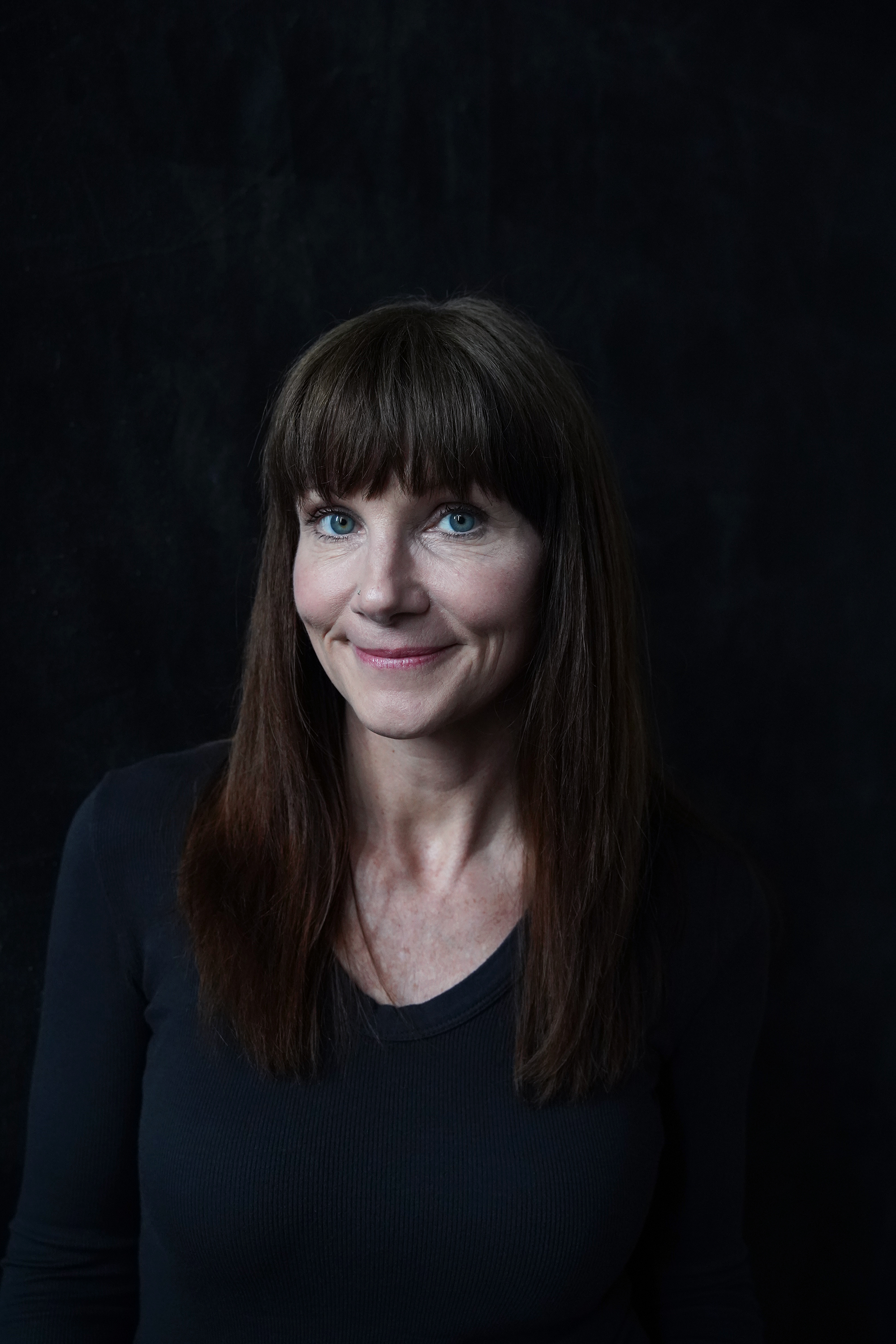
Photograph by Chad Cochran
Maggie Smith is the award-winning New York Times bestselling author of nine books of poetry and prose, including A Suit or a Suitcase, You Could Make This Place Beautiful, Good Bones, Goldenrod, Keep Moving, and My Thoughts Have Wings. She has been widely published, appearing in The New Yorker, The Paris Review, The Nation, The New York Times, The Atlantic, The Best American Poetry, and more. She is the host of The Slowdown. You can find her on social media @MaggieSmithPoet.
Product Details
- Publisher: Washington Square Press (April 1, 2025)
- Length: 272 pages
- ISBN13: 9781982170905
Browse Related Books
Raves and Reviews
"Every so often, a book comes along that fundamentally changes how we think about art, and the lives and work of writers and artists both seasoned and new. Dear Writer is this book, and anyone who strives to put pen to paper will be profoundly changed by it and by Maggie Smith's creative clarity, generosity, and heart. This is a book that is meant to be savored, and read again and again. I absolutely loved it."
—Elissa Altman, author of Permission and Motherland
"In her winsome, practical Dear Writer, poet and memoirist Maggie Smith shares reflections on the elements of creativity, plus useful tools and prompts for artistic practice. Smith's approach is both playful and serious: she is committed to writing with clarity, honesty, and grace. But she's also a student of delight, of 'artistic mischief' and experimentation. Dear Writer urges readers to take the creative process seriously but treat their own work lightly--and to relish wordplay and shenanigans, pause when a fleeting 'beauty emergency' arises, and notice moments of humor and joy. The creative life, Smith says, is full of gifts to acknowledge and celebrate, and Dear Writer is a joyous, wise companion for the journey."
—Shelf Awareness
“Like some seminal texts for writers by writers (Eudora Welty's One Writer's Beginnings, Virginia Woolf's A Letter to a Young Poet), this is at once pure craftmanship and a glimpse of the gut-wrenching, visceral ways great writers feel the world around them. A lovely invitation into Smith's processes that is luminous and shimmering, designed to make writing feel accessible yet magical!”
—Library Journal (starred review)
"This guide on craft is an open, thoughtful gold mine of advice for writers and nonwriters alike. Filled with breakdowns of Smith's own poems, as well as exercises and suggested outside reading, these pages invite you to reference their knowledge over and over, for a lifetime."
— Christina Cala, senior producer of Code Switch
"Oh, how I wish I'd had access to this book thirty-five years ago, when I was just starting out as a writer! Maggie Smith has created an offering here of great substance and generosity—walking writers of all ages (and of all levels) through the sometimes wild and terrifying landscape of literary endeavor. With encouraging words, stories from her own life, and—best of all—exercises that are actually helpful, she lends a hand to all. I admire this book, and its author, with all my heart."
—Elizabeth Gilbert, #1 New York Times bestselling author of Big Magic
Resources and Downloads
High Resolution Images
-
Book Cover Image (jpg): Dear Writer
eBook 9781982170905
-
Author Photo (jpg): Maggie Smith Photograph by Chad Cochran(0.1 MB)
Any use of an author photo must include its respective photo credit
Join our mailing list!
By clicking 'Sign me up' I acknowledge that I have read and agree to the privacy policy and terms of use.