Get our latest staff recommendations, award news and digital catalog links right to your inbox.
Published by Franco Maria Ricci editore
Distributed by Simon & Schuster
Table of Contents
About The Book
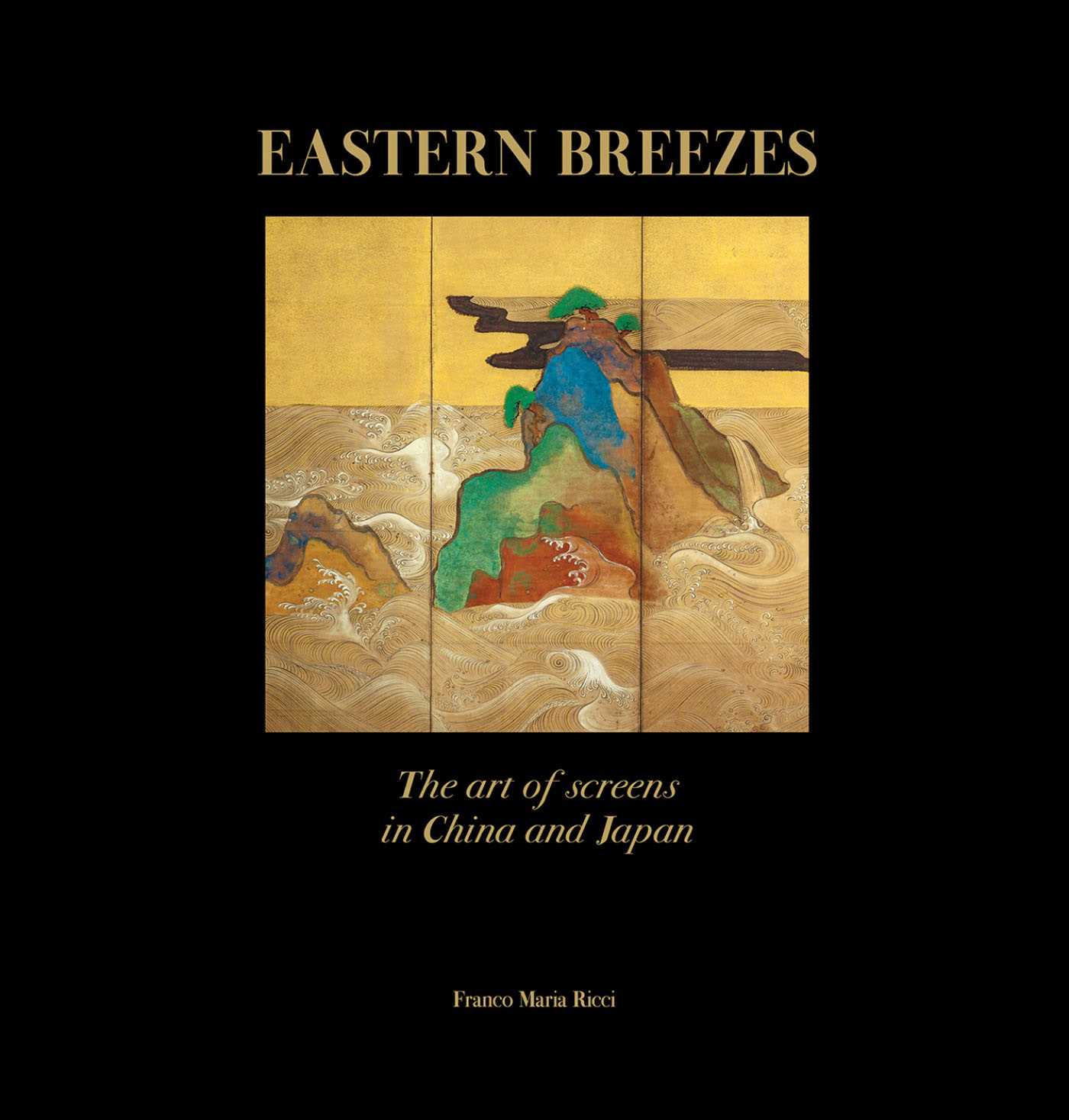
An exploration of the complex relationship between East and West through an analysis of the artistic and cultural development of a peculiar object, the screen.
This book aims to explore the complex relationship between East and West through an analysis of the artistic and cultural development of a peculiar object, the screen.
Arriving in Japan from China in the seventh century and soon becoming representative of Japanese aesthetic taste, screens not only fulfilled architectural and decorative functions but also constituted one of the most valued artistic genres, equivalent to painting within European Renaissance culture. Portuguese travelers and missionaries who landed in the Japanese archipelago in the mid-16th century did not fully perceive their significance, yet they were the first to make them known in the West.
The contact with the “barbarians of the south” induced Japanese artists to make such modifications to their creations as to attract the interest of the newcomers, an intent that resulted in the so-called “Namban Art.” With Japan's closure to religious proselytizing and mercantile trade with European countries, that is, with the end of the “Christian Century,” screens returned to the traditional canon, sticking to it until the threshold of World War II.
This book aims to explore the complex relationship between East and West through an analysis of the artistic and cultural development of a peculiar object, the screen.
Arriving in Japan from China in the seventh century and soon becoming representative of Japanese aesthetic taste, screens not only fulfilled architectural and decorative functions but also constituted one of the most valued artistic genres, equivalent to painting within European Renaissance culture. Portuguese travelers and missionaries who landed in the Japanese archipelago in the mid-16th century did not fully perceive their significance, yet they were the first to make them known in the West.
The contact with the “barbarians of the south” induced Japanese artists to make such modifications to their creations as to attract the interest of the newcomers, an intent that resulted in the so-called “Namban Art.” With Japan's closure to religious proselytizing and mercantile trade with European countries, that is, with the end of the “Christian Century,” screens returned to the traditional canon, sticking to it until the threshold of World War II.
Product Details
- Publisher: Franco Maria Ricci editore (October 14, 2025)
- Length: 164 pages
- ISBN13: 9791280294951
Browse Related Books
Resources and Downloads
High Resolution Images
-
Book Cover Image (jpg): Eastern Breezes
Hardcover 9791280294951
Published by Franco Maria Ricci editore
Distributed by Simon & Schuster
Join our mailing list!
By clicking 'Sign me up' I acknowledge that I have read and agree to the privacy policy and terms of use.