Get our latest staff recommendations, award news and digital catalog links right to your inbox.
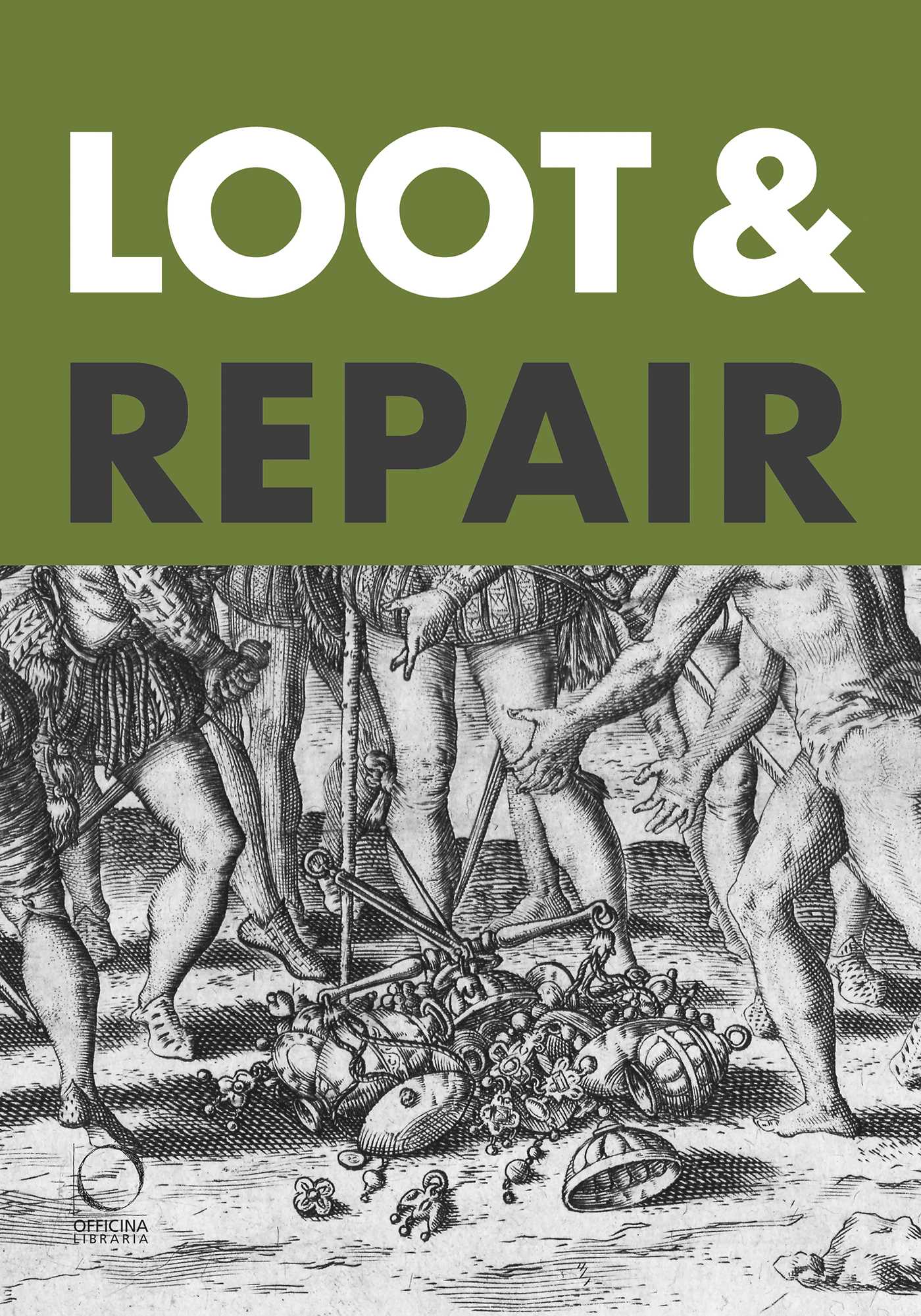
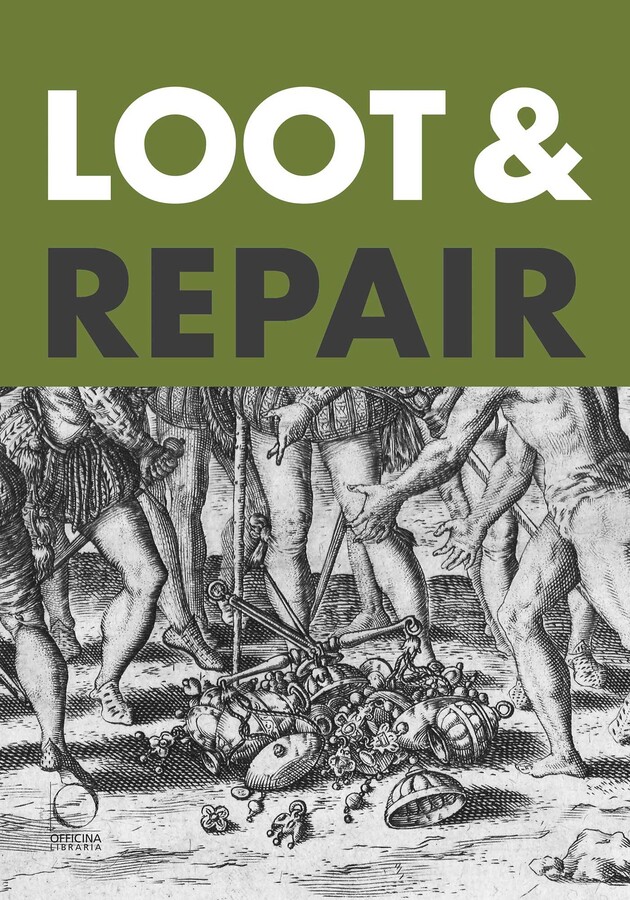
Loot & Repair
Plunder and Restitution between the Early Modern Battlefield and the Modern-Day Museum
Edited by Francesca Borgo and Julia Vásquez
Published by Officina Libraria
Distributed by Simon & Schuster
Table of Contents
About The Book
Investigates how conflicts historically moved, modified, and reclassified art objects in the early modernity. In particular, it examines the relevance of these issues for museums, the custodians of these controversial stories.
The term 'loot', indicating a category of objects that exists mainly as a function of conquest, describes a relationship of possession, if not more specifically of expropriation. Loot is not a classification of art history, but a primarily legal category, with which the discipline must nevertheless grapple, given its repercussions on what is accessible, where, and under what conditions.
This volume investigates how conflict and its resolution historically moved, modified, and reclassified art objects in the long period of early modernity. Often obscured by narratives of Napoleonic plunder, the early modern period witnessed for the first time the constant transfer of artistic goods to the European continent, across the Atlantic and Pacific Oceans. These exports sparked moral, theological, and legal debates on property rights and led to codified rules for the conduct of war, introducing the issue of the return of seized objects as a diplomatic tool, as well as bringing to light laws to protect art from damage or illicit expropriation.
The volume's contributions examine the diverse implications of claiming and recovering such assets in both wartime and peacetime, and also reflect on the relevance of these issues, particularly for the institutions that serve as today's custodians of these controversial stories, museums.
The term 'loot', indicating a category of objects that exists mainly as a function of conquest, describes a relationship of possession, if not more specifically of expropriation. Loot is not a classification of art history, but a primarily legal category, with which the discipline must nevertheless grapple, given its repercussions on what is accessible, where, and under what conditions.
This volume investigates how conflict and its resolution historically moved, modified, and reclassified art objects in the long period of early modernity. Often obscured by narratives of Napoleonic plunder, the early modern period witnessed for the first time the constant transfer of artistic goods to the European continent, across the Atlantic and Pacific Oceans. These exports sparked moral, theological, and legal debates on property rights and led to codified rules for the conduct of war, introducing the issue of the return of seized objects as a diplomatic tool, as well as bringing to light laws to protect art from damage or illicit expropriation.
The volume's contributions examine the diverse implications of claiming and recovering such assets in both wartime and peacetime, and also reflect on the relevance of these issues, particularly for the institutions that serve as today's custodians of these controversial stories, museums.
Product Details
- Publisher: Officina Libraria (March 9, 2027)
- Length: 320 pages
- ISBN13: 9788833673592
Browse Related Books
Resources and Downloads
High Resolution Images
-
Book Cover Image (jpg): Loot & Repair
Trade Paperback 9788833673592
Loot & Repair
Plunder and Restitution between the Early Modern Battlefield and the Modern-Day Museum
Edited by Francesca Borgo and Julia Vásquez
Published by Officina Libraria
Distributed by Simon & Schuster
Join our mailing list!
By clicking 'Sign me up' I acknowledge that I have read and agree to the privacy policy and terms of use.