
Get our latest staff recommendations, award news and digital catalog links right to your inbox.
Published by Healing Arts Press
Distributed by Simon & Schuster
Table of Contents
About The Book
Support your child’s emotional and mental health with safe home remedies
“A compassionate and individualized holistic approach to children’s emotional well-being.”—Kirkus Reviews
• Learn to nurture resilience with herbs, essential oils, homeopathic remedies, and other nature-based therapies to ease anxiety, balance moodiness, alleviate depression, induce calm, and stabilize ADHD
• Delves into the fascinating connection between blood types and behavior, while sharing simple techniques to boost oxytocin—the “love hormone” that strengthens bonds
• Shares expert advice from leading voices in complementary health to support children’s wellness naturally and safely
Today’s parents are more attuned than ever to the emotional health and well-being of their children. In this practical guide, master herbalist and classical homeopath Sara Chana Silverstein explores the herbs, essential oils, homeopathic remedies, and other natural therapies that can be used—safely and inexpensively at home—to support the emotional needs of children.
Silverstein provides an in-depth look at dozens of medicinal plants that help alleviate tension, insomnia, anxiety, anger, ADHD, and depression. She offers practical guidance on selecting and preparing the most kid-friendly herbal remedies, including honeys, ice pops, teas, tinctures, and oils. She also shows how gentle homeopathic remedies provide an effective way to address emotional struggles as well as certain neurological conditions, including autism.
The author explores the role of aromatherapy, discusses the connection between blood types and behavior, and shares tried-and-true methods for boosting oxytocin, the love and bonding hormone. The book concludes with interviews with 11 experts in herbal medicine, homeopathy, and holistic care who offer advice and practical insights into treating children safely and holistically, empowering parents and caregivers to help the children they love move through life’s stages with confidence, balance, and grace.
“A compassionate and individualized holistic approach to children’s emotional well-being.”—Kirkus Reviews
• Learn to nurture resilience with herbs, essential oils, homeopathic remedies, and other nature-based therapies to ease anxiety, balance moodiness, alleviate depression, induce calm, and stabilize ADHD
• Delves into the fascinating connection between blood types and behavior, while sharing simple techniques to boost oxytocin—the “love hormone” that strengthens bonds
• Shares expert advice from leading voices in complementary health to support children’s wellness naturally and safely
Today’s parents are more attuned than ever to the emotional health and well-being of their children. In this practical guide, master herbalist and classical homeopath Sara Chana Silverstein explores the herbs, essential oils, homeopathic remedies, and other natural therapies that can be used—safely and inexpensively at home—to support the emotional needs of children.
Silverstein provides an in-depth look at dozens of medicinal plants that help alleviate tension, insomnia, anxiety, anger, ADHD, and depression. She offers practical guidance on selecting and preparing the most kid-friendly herbal remedies, including honeys, ice pops, teas, tinctures, and oils. She also shows how gentle homeopathic remedies provide an effective way to address emotional struggles as well as certain neurological conditions, including autism.
The author explores the role of aromatherapy, discusses the connection between blood types and behavior, and shares tried-and-true methods for boosting oxytocin, the love and bonding hormone. The book concludes with interviews with 11 experts in herbal medicine, homeopathy, and holistic care who offer advice and practical insights into treating children safely and holistically, empowering parents and caregivers to help the children they love move through life’s stages with confidence, balance, and grace.
Excerpt
Chapter 1
The Basics
Everything Is Connected
HELPING KIDS UNDERSTAND THEIR EMOTIONS
Every child feels emotions, just like every adult. But unlike adults, kids don’t always know what to call those feelings—or what to do with them. Teaching children to recognize and name their emotions is just as essential as teaching them colors, numbers, or letters. Emotional literacy is a life skill, and the earlier it starts, the better.
Children do best when they understand that all emotions—pleasant or painful—are normal. Emotions can feel big, messy, and sometimes scary. But with the right tools, even very young children can learn to manage their feelings rather than be overwhelmed by them. Emotional intelligence, often called EQ, isn’t something we’re born with—it’s a skill that can be developed at any age.
One of the best ways to help children navigate their inner world is to teach them how to be in control of their emotions, instead of letting their emotions control them. When kids learn to pause, reflect, and respond, they build a foundation of resilience that serves them throughout life.
That doesn’t mean asking kids to suppress how they feel. It means helping them explore and express emotions in ways that are constructive and healthy. A child with strong emotional intelligence can better communicate, empathize, resolve conflict, and face challenges with more confidence.
Even small shifts can have lasting effects. Teaching a child to take a deep breath before speaking when they’re upset isn’t just calming in the moment—it lays the groundwork for lifelong emotional regulation.
Teaching Emotional Intelligence
Teaching EQ is one of the most valuable investments you can make in a child’s future. Here are a few foundational steps:
• Create safety and consistency. Kids learn best in predictable environments. A compassionate, steady atmosphere gives them the security to explore emotional growth.
• Build an emotional vocabulary. Words matter. Giving children names for feelings—like “nervous,” “excited,” or “frustrated”— helps turn abstract emotions into something manageable.
• Explore the why. Help kids connect their emotions to specific events or triggers. The more they understand the cause, the easier it becomes to address the effect.
• Encourage empathy. Ask your child how someone else might feel in a situation. Perspective-taking builds connection, softens reactions, and deepens relationships.
• Tune in to the body. Emotions aren’t just mental; they’re physical. Help children recognize how different emotions feel in their bodies. Noticing is the first step toward managing.
• Teach social and communication skills. Children thrive when they learn to express themselves clearly, listen actively, and collaborate with others. These skills can be taught—and practiced—every day.
Emotional Awareness in Everyday Life
Supporting a child’s emotional development doesn’t require complex
systems. Often, it’s the small, repeated moments that matter most.
• Reflect on reactions. Once everyone is calm, revisit an emotional moment together. What happened? How did they react? What might they try next time? Keep it curious, not critical.
• Practice emotional observation. TV shows, books, and real-life encounters are all chances to ask, “How do you think that person feels right now?” Noticing others builds emotional insight.
• Talk about emotional regulation. Let kids know it’s okay to feel anything—but that they can also learn how to stay with or shift those emotions. This gives them a sense of agency rather than helplessness.
Skills That Last a Lifetime
Emotional intelligence isn’t just about naming feelings. It’s about using that awareness to connect, adapt, and grow. Here’s how to deepen the learning:
• Support effective communication. Teach children how to speak up for themselves—clearly, respectfully, and with empathy. Listening well, imagining another person’s perspective, and staying calm under pressure are skills that benefit every future relationship.
• Proactive problem-solving. Emotional challenges are inevitable. Help kids identify what triggers them, brainstorm healthy responses, and know when to ask for help.
• Model what you teach. Children watch more than they listen. Demonstrate what emotional regulation looks like: pause, breathe, speak calmly. Then point it out when they do the same.
• Keep expectations clear. Consistency builds trust. Children feel safest when they know what’s expected and what will happen next. Responding with calm predictability—even during meltdowns—helps them learn self-regulation.
• Show empathy often. Empathy is caught as much as it’s taught. When children feel seen and understood, they become more likely to offer that understanding to others.
Bringing It All Together
Helping children build emotional intelligence isn’t a one-time lesson. It’s a series of moments—quiet talks, shared stories, small corrections, and daily encouragement. With each moment, you’re helping your child grow into a person who can handle big feelings, build strong relationships, and meet life’s ups and downs with confidence.
THE BRAIN’S LOVE AFFAIR WITH WATER
Why Hydration Matters More Than We Think
The human brain is incredible—but it’s also high-maintenance. It relies on a steady supply of oxygen and nutrients to function well, and most of that delivery system depends on one basic ingredient: water.
Think of water as the brain’s personal courier service. It helps circulate blood, transports essential nutrients, supports electrical activity, and plays a role in regulating mood and focus. Even a small drop in hydration—just 1–3 percent of body weight—can affect mental performance. For kids, who are expected to learn, solve problems, and stay emotionally regulated throughout the day, hydration isn’t optional. It’s foundational.
The Real World Roadblock: Bathroom Anxiety
So why aren’t kids drinking enough water? Surprisingly, it’s not always because they forget. Many children avoid drinking during the school day for one simple reason: They don’t want to deal with the bathrooms. From broken locks and missing toilet paper to strict rules about when they’re allowed to go, school bathrooms can be a source of stress. And when a child is more focused on avoiding an awkward bathroom experience than staying hydrated, health takes a backseat. As a mother of seven, I took this seriously. I became a self-declared “bathroom detective.” Every school year, I inspected the bathrooms—clipboards, checklists, the works. I noted the broken fixtures, the empty paper dispensers, and anything else that might deter a child from using the facilities. Then I brought those findings to the school staff. (Were they thrilled to see me coming? Not exactly. Did I care? Not in the least.) Our children deserve clean, safe spaces to take care of basic needs. If the bathroom isn’t functional, hydration—and focus—suffers.
What the Research Tells Us
Dehydration isn’t just a physical problem. It’s a brain and mood issue too. Here’s what science—and common sense—shows us:
• Mood regulation declines: Even mild dehydration has been linked to irritability, fatigue, and increased anxiety. That’s because water plays a role in hormone balance and neurotransmitter function. When hydration drops, emotional regulation suffers.
• Focus falters: Concentration is one of the first mental functions to decline. Proper hydration keeps the brain’s electrical signals flowing smoothly, helping kids stay mentally sharp and alert.
• Executive function takes a hit: Skills like planning, memory, and problem-solving depend on hydrated brain cells. Dehydration disrupts neurotransmitter production, affecting learning and decision-making.
• The brain is mostly water: Roughly 75 percent, to be precise. That’s why even small changes in hydration have outsized effects on mood, learning, and behavior.
• Get a great water bottle. Let your child pick it out—make it flashy, fun, and personal. Stickers, sparkles, sports decals— anything that makes them want to show it off and use it.
• Make water more fun. Add a splash of fruit concentrate (cranberry for pink, blueberry for purple, black cherry for deep red). It’s visually fun and naturally flavorful—without artificial coloring.
• Try frozen herbal tea cubes. In warmer months, freeze herbal teas into ice cubes and toss them into a water bottle for a subtle, tasty boost. Bonus: they look great.
• Add a snack twist. Drop a few goji berries into a bottle—chewy at first, then soft and sweet. Hydration plus a built-in snack.
The Simplicity of a Sip
When children are hydrated, they’re more focused, emotionally balanced, and better prepared to handle whatever the day brings. Helping your child drink more water may be one of the smallest changes you make—but it’s also one of the most powerful.
So whether they’re toddlers or teens, keep the water flowing. Their brains—and moods—will thank you.
The Basics
Everything Is Connected
HELPING KIDS UNDERSTAND THEIR EMOTIONS
Every child feels emotions, just like every adult. But unlike adults, kids don’t always know what to call those feelings—or what to do with them. Teaching children to recognize and name their emotions is just as essential as teaching them colors, numbers, or letters. Emotional literacy is a life skill, and the earlier it starts, the better.
Children do best when they understand that all emotions—pleasant or painful—are normal. Emotions can feel big, messy, and sometimes scary. But with the right tools, even very young children can learn to manage their feelings rather than be overwhelmed by them. Emotional intelligence, often called EQ, isn’t something we’re born with—it’s a skill that can be developed at any age.
One of the best ways to help children navigate their inner world is to teach them how to be in control of their emotions, instead of letting their emotions control them. When kids learn to pause, reflect, and respond, they build a foundation of resilience that serves them throughout life.
That doesn’t mean asking kids to suppress how they feel. It means helping them explore and express emotions in ways that are constructive and healthy. A child with strong emotional intelligence can better communicate, empathize, resolve conflict, and face challenges with more confidence.
Even small shifts can have lasting effects. Teaching a child to take a deep breath before speaking when they’re upset isn’t just calming in the moment—it lays the groundwork for lifelong emotional regulation.
Teaching Emotional Intelligence
Teaching EQ is one of the most valuable investments you can make in a child’s future. Here are a few foundational steps:
• Create safety and consistency. Kids learn best in predictable environments. A compassionate, steady atmosphere gives them the security to explore emotional growth.
• Build an emotional vocabulary. Words matter. Giving children names for feelings—like “nervous,” “excited,” or “frustrated”— helps turn abstract emotions into something manageable.
• Explore the why. Help kids connect their emotions to specific events or triggers. The more they understand the cause, the easier it becomes to address the effect.
• Encourage empathy. Ask your child how someone else might feel in a situation. Perspective-taking builds connection, softens reactions, and deepens relationships.
• Tune in to the body. Emotions aren’t just mental; they’re physical. Help children recognize how different emotions feel in their bodies. Noticing is the first step toward managing.
• Teach social and communication skills. Children thrive when they learn to express themselves clearly, listen actively, and collaborate with others. These skills can be taught—and practiced—every day.
Emotional Awareness in Everyday Life
Supporting a child’s emotional development doesn’t require complex
systems. Often, it’s the small, repeated moments that matter most.
• Reflect on reactions. Once everyone is calm, revisit an emotional moment together. What happened? How did they react? What might they try next time? Keep it curious, not critical.
• Practice emotional observation. TV shows, books, and real-life encounters are all chances to ask, “How do you think that person feels right now?” Noticing others builds emotional insight.
• Talk about emotional regulation. Let kids know it’s okay to feel anything—but that they can also learn how to stay with or shift those emotions. This gives them a sense of agency rather than helplessness.
Skills That Last a Lifetime
Emotional intelligence isn’t just about naming feelings. It’s about using that awareness to connect, adapt, and grow. Here’s how to deepen the learning:
• Support effective communication. Teach children how to speak up for themselves—clearly, respectfully, and with empathy. Listening well, imagining another person’s perspective, and staying calm under pressure are skills that benefit every future relationship.
• Proactive problem-solving. Emotional challenges are inevitable. Help kids identify what triggers them, brainstorm healthy responses, and know when to ask for help.
• Model what you teach. Children watch more than they listen. Demonstrate what emotional regulation looks like: pause, breathe, speak calmly. Then point it out when they do the same.
• Keep expectations clear. Consistency builds trust. Children feel safest when they know what’s expected and what will happen next. Responding with calm predictability—even during meltdowns—helps them learn self-regulation.
• Show empathy often. Empathy is caught as much as it’s taught. When children feel seen and understood, they become more likely to offer that understanding to others.
Bringing It All Together
Helping children build emotional intelligence isn’t a one-time lesson. It’s a series of moments—quiet talks, shared stories, small corrections, and daily encouragement. With each moment, you’re helping your child grow into a person who can handle big feelings, build strong relationships, and meet life’s ups and downs with confidence.
THE BRAIN’S LOVE AFFAIR WITH WATER
Why Hydration Matters More Than We Think
The human brain is incredible—but it’s also high-maintenance. It relies on a steady supply of oxygen and nutrients to function well, and most of that delivery system depends on one basic ingredient: water.
Think of water as the brain’s personal courier service. It helps circulate blood, transports essential nutrients, supports electrical activity, and plays a role in regulating mood and focus. Even a small drop in hydration—just 1–3 percent of body weight—can affect mental performance. For kids, who are expected to learn, solve problems, and stay emotionally regulated throughout the day, hydration isn’t optional. It’s foundational.
The Real World Roadblock: Bathroom Anxiety
So why aren’t kids drinking enough water? Surprisingly, it’s not always because they forget. Many children avoid drinking during the school day for one simple reason: They don’t want to deal with the bathrooms. From broken locks and missing toilet paper to strict rules about when they’re allowed to go, school bathrooms can be a source of stress. And when a child is more focused on avoiding an awkward bathroom experience than staying hydrated, health takes a backseat. As a mother of seven, I took this seriously. I became a self-declared “bathroom detective.” Every school year, I inspected the bathrooms—clipboards, checklists, the works. I noted the broken fixtures, the empty paper dispensers, and anything else that might deter a child from using the facilities. Then I brought those findings to the school staff. (Were they thrilled to see me coming? Not exactly. Did I care? Not in the least.) Our children deserve clean, safe spaces to take care of basic needs. If the bathroom isn’t functional, hydration—and focus—suffers.
What the Research Tells Us
Dehydration isn’t just a physical problem. It’s a brain and mood issue too. Here’s what science—and common sense—shows us:
• Mood regulation declines: Even mild dehydration has been linked to irritability, fatigue, and increased anxiety. That’s because water plays a role in hormone balance and neurotransmitter function. When hydration drops, emotional regulation suffers.
• Focus falters: Concentration is one of the first mental functions to decline. Proper hydration keeps the brain’s electrical signals flowing smoothly, helping kids stay mentally sharp and alert.
• Executive function takes a hit: Skills like planning, memory, and problem-solving depend on hydrated brain cells. Dehydration disrupts neurotransmitter production, affecting learning and decision-making.
• The brain is mostly water: Roughly 75 percent, to be precise. That’s why even small changes in hydration have outsized effects on mood, learning, and behavior.
• Get a great water bottle. Let your child pick it out—make it flashy, fun, and personal. Stickers, sparkles, sports decals— anything that makes them want to show it off and use it.
• Make water more fun. Add a splash of fruit concentrate (cranberry for pink, blueberry for purple, black cherry for deep red). It’s visually fun and naturally flavorful—without artificial coloring.
• Try frozen herbal tea cubes. In warmer months, freeze herbal teas into ice cubes and toss them into a water bottle for a subtle, tasty boost. Bonus: they look great.
• Add a snack twist. Drop a few goji berries into a bottle—chewy at first, then soft and sweet. Hydration plus a built-in snack.
The Simplicity of a Sip
When children are hydrated, they’re more focused, emotionally balanced, and better prepared to handle whatever the day brings. Helping your child drink more water may be one of the smallest changes you make—but it’s also one of the most powerful.
So whether they’re toddlers or teens, keep the water flowing. Their brains—and moods—will thank you.
Product Details
- Publisher: Healing Arts Press (May 5, 2026)
- Length: 224 pages
- ISBN13: 9798888500880
Browse Related Books
Raves and Reviews
“I love how Moodtopia for Kids bridges natural medicine and emotional health in such an accessible way. This book belongs in every holistic-minded home. As an MD who integrates conventional and holistic care, I appreciate how this approach provides parents with practical, natural tools to support emotional wellness. Sara Chana combines wisdom and science beautifully to help families nurture calm, confidence, and connection. She brings warmth, experience, and heart to every page, and I am inspired by her ability to make natural healing approachable and evidence-informed. A true gift for parents seeking balance in their children’s emotional health.”
– Joel Warsh, MD, MSC, integrative pediatrician and author of Between a Shot and a Hard Place
“This delightfully written book is full of wisdom and practical information that even those without children will benefit from. Filled with stories of the author’s personal experience working with children for more than three decades, as well as scientific studies and research that back her approach, Moodtopia for Kids addresses a child’s physical, emotional, and spiritual needs in both a nondogmatic and fully informed manner.”
– Rosemary Gladstar, renowned herbalist and author of Rosemary Gladstar’s Medicinal Herbs and He
“I love that Sara Chana makes holistic wellness accessible for everyday families! This is a wonderful resource, packed with practical strategies and tools to support your child’s emotional well-being.”
– Karalynne Call, founder and CEO of Just Ingredients and host of the Just Ingredients podcast
“I love Sara Chana Silverstein’s approach in Moodtopia for Kids! As The Natural Nurse, I have consulted with parents and health professionals for decades and raised my own children with natural remedies. Sara Chana teaches all parents, whether experienced or novice, how to choose the right remedy. She includes information on how knowing your blood type can help you make the best food choices and on incorporating natural healing techniques, including foods, herbs, homeopathics, and relaxation techniques that support children’s physical and emotional wellness. Sara Chana shares instructions for a wide variety of easy-to-incorporate actions, such as gargling and ear massage, that cost nothing and can make a real difference in sustaining a happy, healthy emotional response to life. This is a wonderful resource for all parents and caregivers who seek grounded knowledge on how to incorporate natural remedies to sustain children in a safe, time-honored, natural emotional rhythm, rather than instantly seeking pharmaceuticals, which often don’t work and come with a long list of possible adverse effects.”
– Ellen Kamhi, PhD, RN, AHN-BC, RH(AHG), The Natural Nurse
“Sara Chana provides a comprehensive, easy-to-use guide for developing a healthy child. Her writing is clear and concise. This will be the go-to resource for anyone wanting to learn how to support happy children.”
– Joel Kreisberg, DC, CCH, integrative physician and Integral Master Coach
Resources and Downloads
High Resolution Images
-
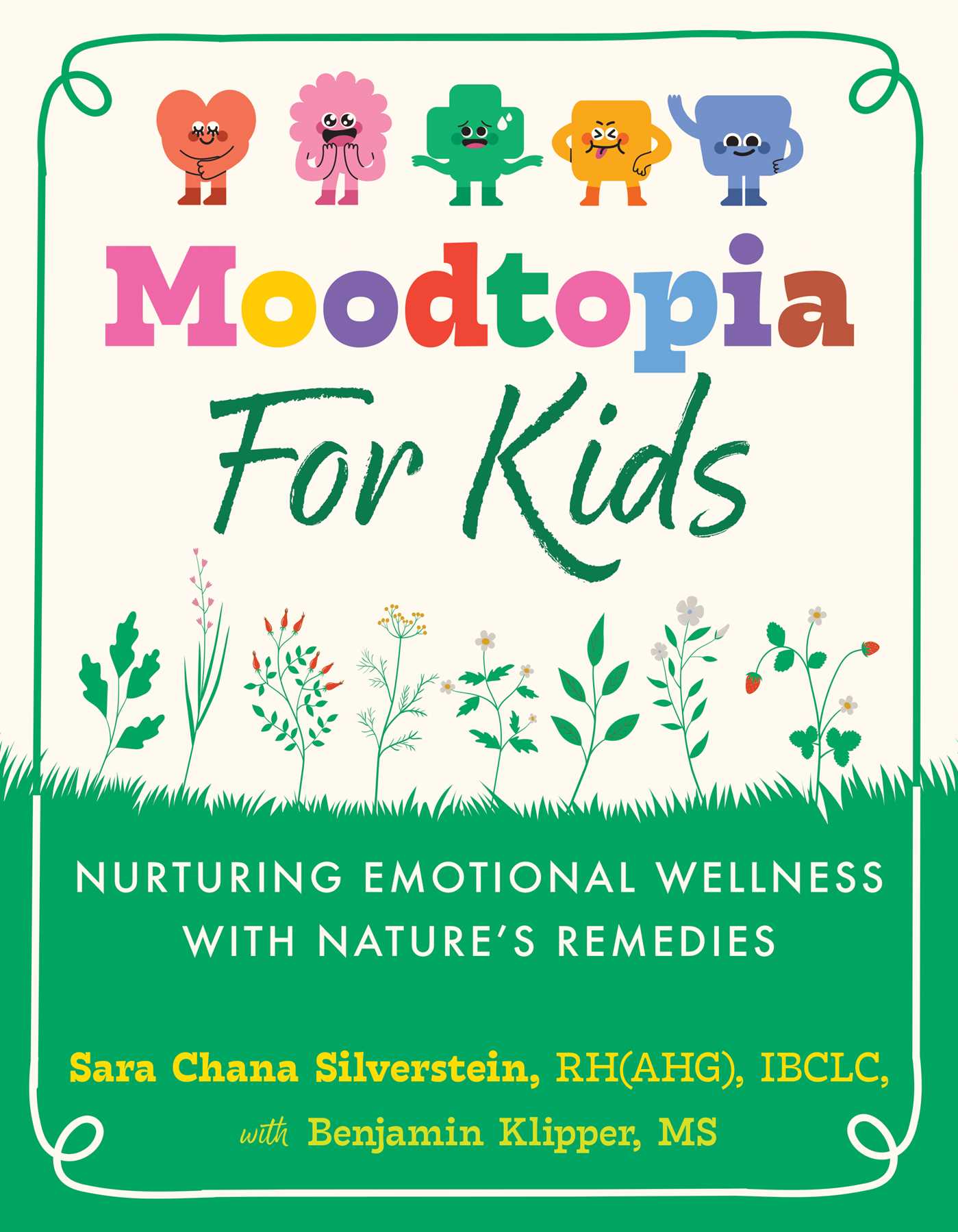
Book Cover Image (jpg): Moodtopia for Kids
Trade Paperback 9798888500880
Published by Healing Arts Press
Distributed by Simon & Schuster
Join our mailing list!
By clicking 'Sign me up' I acknowledge that I have read and agree to the privacy policy and terms of use.