
Get our latest staff recommendations, award news and digital catalog links right to your inbox.
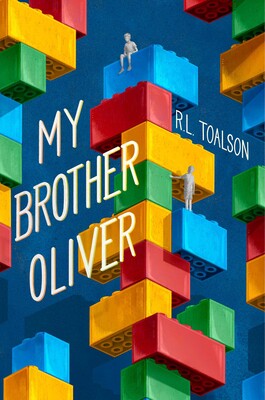
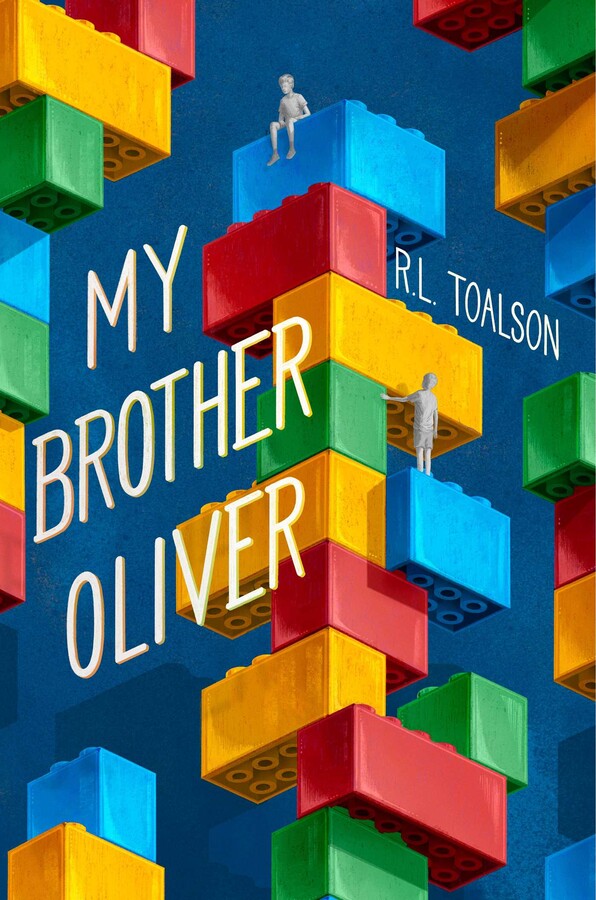
My Brother Oliver
By R.L. Toalson
Table of Contents
About The Book
Three starred reviews!
A “gut-wrenching and unforgettable” (Publishers Weekly, starred review) novel in verse about a boy struggling with guilt as his family reels from the fallout of his older brother’s extreme depression and tries to hold onto hope.
My brother’s not here.
My brother’s not here.
My brother’s not here.
And it’s all
because of
me.
Brooks loves and adores his older brother, Oliver. That’s why it was so hard—practically impossible, really—for him to have done what he did and told his parents about what Oliver wanted to do.
Now Oliver has been sent away. He’s miserable, and Brooks’s family is falling apart. His mom and dad are sad and scared, and it seems like nothing will ever be okay again. Maybe things would be better if Brooks had just kept his mouth shut. Can he and his family find the hope they need to keep going?
A “gut-wrenching and unforgettable” (Publishers Weekly, starred review) novel in verse about a boy struggling with guilt as his family reels from the fallout of his older brother’s extreme depression and tries to hold onto hope.
My brother’s not here.
My brother’s not here.
My brother’s not here.
And it’s all
because of
me.
Brooks loves and adores his older brother, Oliver. That’s why it was so hard—practically impossible, really—for him to have done what he did and told his parents about what Oliver wanted to do.
Now Oliver has been sent away. He’s miserable, and Brooks’s family is falling apart. His mom and dad are sad and scared, and it seems like nothing will ever be okay again. Maybe things would be better if Brooks had just kept his mouth shut. Can he and his family find the hope they need to keep going?
Reading Group Guide
Join our mailing list! Get our latest staff recommendations, award news and digital catalog links right to your inbox.
By clicking 'Sign me up' I acknowledge that I have read and agree to the privacy policy and terms of use.
Reading Group Guide
My Brother Oliver
By R. L. Toalson
About the Book
Brooks loves and adores his older brother, Oliver. That’s why it was so hard—practically impossible, really—for him to have done what he did and told his parents about what Oliver wanted to do.
Now Oliver has been sent away. He’s miserable, and Brooks’s family is falling apart. His mom and dad are sad and scared, and it seems like nothing will ever be okay again. Maybe things would be better if Brooks had just kept his mouth shut. Can he and his family find the hope they need to keep going?
Discussion Questions
1. Take note of the book’s title. How do you think the title, My Brother Oliver, foreshadows feelings, relationships, or themes? Will Oliver be the protagonist or antagonist? Explain your thinking.
2. The story is written from Brooks’s point of view. Readers learn that Brooks’s life seems to be an emotional roller coaster. Create a Character Analysis Chart that sorts his many feelings; provide evidence from the text and what it reveals about the character. Do his feelings change throughout the book? Discuss which traits appear more often and how they affect his relationships.
3. Oliver, Brooks’s brother, is a central character in this story. Describe Oliver. How does he relate to others? Is he able to tell the difference between friends and foes? What are his patterns of behavior? When Oliver upsets people, do you think he’s being manipulative, or does he not realize what he is doing? How would you react to his behavior? Explain.
4. Oliver is a talented violin player. When distressed, he turns to music as his safe space. Notice when Oliver needs to regain his spirit and how he does it. What is your safe space? Describe a situation where you would feel the need to use it.
5. Brooks and Oliver’s parents display different characteristics. However, they both love their children and want to keep the peace in their family. Describe Mom and Dad and how they treat each of their children. Do they respond to them fairly? How so? Is it acceptable to treat siblings differently depending on their needs? What if it is at the expense of the other siblings? Explain.
6. Porter is Oliver’s best friend. Describe their friendship. What are some of the activities they like to do together? Why do you think they get along so well? When Porter visited Oliver at the hospital, he mentioned that “Clearview is a good place for him.” (p. 196) Why would he think that, and why would Oliver not beg his family to take him home after Porter visited?
7. The day after “the incident,” Oliver goes to the hospital. Retell the scene in your own words, and describe how Mom, Dad, and Brooks each react, including what they say or do at that moment. What do you think Brooks means when he says, “I have ruined everything.” (p. 36) Do you think he’s overreacting? Explain.
8. Describe the friendship between Brooks and Rocco. Do you think they know everything about each other since they are best friends? Is it okay not to tell your best friend everything? What would be off-limits?
9. Think about the relationships between the main character and minor characters, whether positive, negative, or complicated. Jill is a character with a mysterious edge. Brooks and Jill used to be good friends, but now she is displaying odd behaviors toward him. What do you think is going on in her life? Do you think their relationship is over? Explain.
10. Brooks often expresses feelings of self-doubt and guilt. He states, “When I looked in the mirror . . . I only saw a coward.” (p. 138) At times, Brooks wants to connect with and help Oliver, but then he freezes and doesn’t. Notice when this happens, and discuss why you think Brooks has chosen this behavior. Is it to help himself or Oliver? What would be your advice to Brooks?
11. Sometimes a character behaves differently at various points in a story, which may be unexpected to the reader. When Brooks takes the solo, even though he feels Noel will bully him, he realizes he doesn’t want to live in Oliver’s shadow or be invisible anymore. Everyone in the cafeteria is looking at Brooks, and he thinks, “Is this what it’s like to be / seen?” (p. 105) In what other moments does Brooks feel seen? When have you felt the elation of being seen? How did it change your mood or perspective?
12. Brooks has mixed and complicated feelings about Oliver. When does Brooks struggle most with these conflicting emotions? Explain what these moments show about Brooks’s relationship with his brother. Have you ever had mixed feelings about someone (a friend, sibling, teammate, etc.)? What have you done to overcome them?
13. Brooks often asks himself difficult questions, in which he may never have clear answers. Pay attention to when he reflects on his actions and feelings. How do these questions affect what Brooks is going through at that moment? After having an argument with Oliver, Brooks wonders, “Would we ever have a regular / brotherly bond?” (p. 165) He also asks, “Is it possible to miss and not miss / your brother at the same time?” (p. 190) Think of someone you have conflicting feelings about. How can you explain this question?
14. Oliver thinks that Brooks is the “perfect son.” However, Brooks thinks that his home revolves around Oliver. How can two people living in the same environment and sharing the same experiences have a different perspective on what is true? Have you been in a similar situation where the same event was seen in different ways? How did you come to an agreement or solve your difference of opinion?
15. Bullying is when someone repeatedly tries to hurt another person through words, actions, or behavior. Brooks reminds us that, “It’s not always loud and full of fists, / like you think.” (p. 441) How does bullying occur in this story? Discuss the possible reasons people become bullies and why they get away with their behavior. How do their actions affect others? Can bullies change their behavior? Provide evidence from the text.
16. Consider what happened between Oliver and Noel on the bus before “the incident.” How did Brooks, Oliver, Mom, and Dad each react to the situation? Brooks states, “Did he know how his moods / affected us / all?” (p. 152) Can the moods of your friends or family affect you in positive and/or negative ways? Explain using your own personal experiences.
17. Discuss Oliver’s list. What prompted Oliver to write it? How did it get in the hands of the principal? Was Brooks doing the right thing by telling on his brother? Why or why not? What would you have done if you found a list like Oliver’s? Is there ever a time when you shouldn’t get involved? Explain.
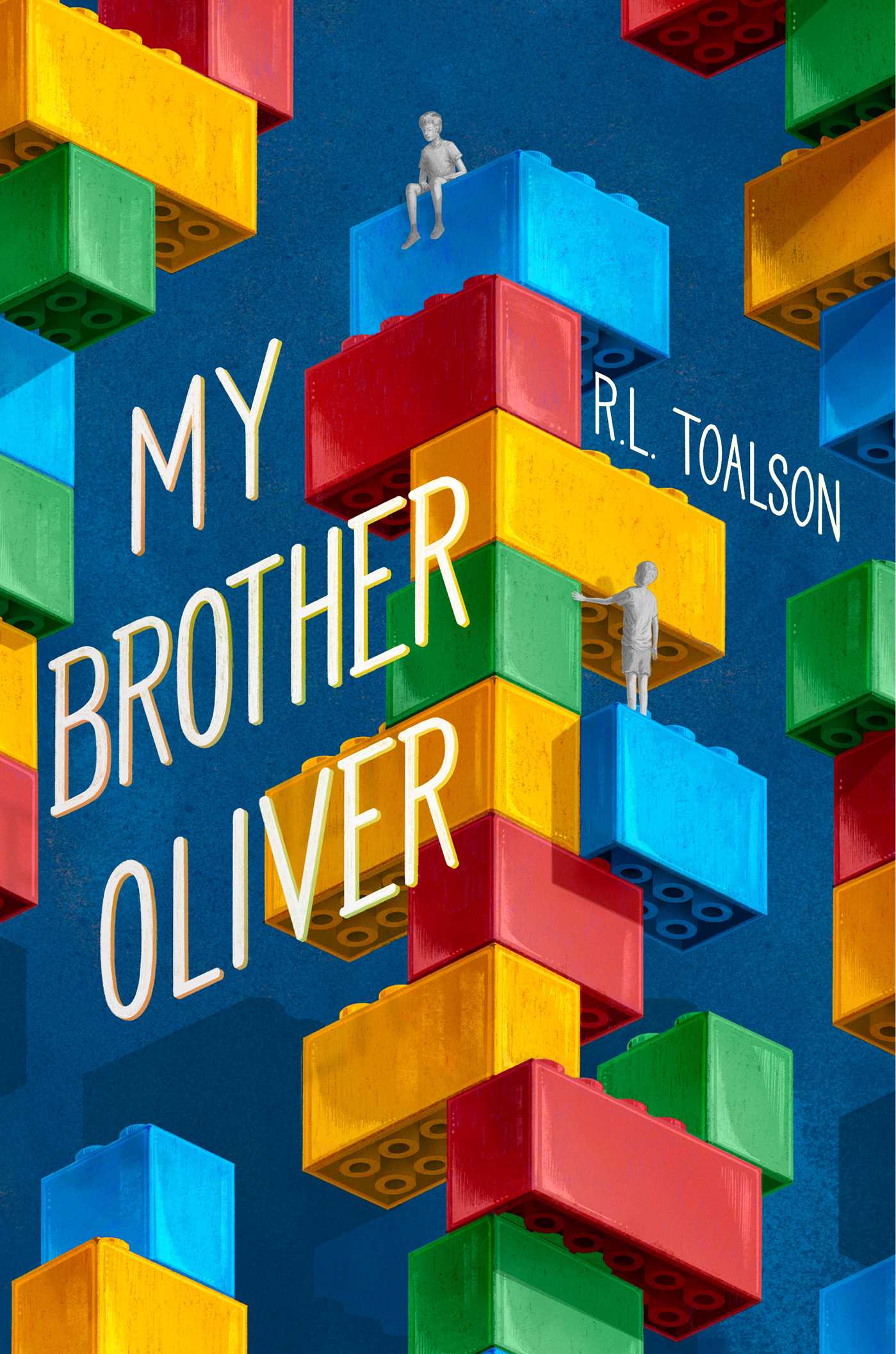
18. An author uses symbolism to give an object, character, or event a deeper meaning beyond its literal meaning. Oliver loves to build with Legos. Brooks states, “Maybe trust can be rebuilt / one Lego piece / at a time.” (p. 116) Notice when Legos are mentioned in the story and what they may symbolize. Similarly, Brooks keeps Oliver’s school ID with him while Oliver is away. What do you think the ID symbolizes? What other symbols do you recognize throughout the novel?
19. While Oliver is away, Brooks wonders what it would be like to have a normal life. Life at home is not easy, but he says, “Turns out a home without Oliver / isn’t brighter or easier or better. / It’s the exact / opposite.” (p. 96) Consider the expression “Be careful what you wish for,” and describe how it pertains to Brooks in this moment. Have you ever been in a situation where you wished for something, but after it happened, you changed your mind? How did you react to it?
20. Brooks is overprotective of Oliver. At one point, Noel is talking about Oliver in the cafeteria and calling him a freak. Brooks yells at Noel and thinks, “It feels good blaming someone else.” (p. 239) Does Brooks ever compromise himself to protect Oliver? Notice moments when Brooks is protective; discuss his behavior and rationale during these times.
21. Mom is a pivotal character who often shares words of wisdom or offers serious advice. When Brooks is upset that Oliver invited the same mean boys to his birthday party, she sadly states, “We can’t save Oliver from everything, Brooks. / We have to let him learn for himself. / He’s in charge of his own life.” (p. 83) How do you feel about this statement? How do we know when to get involved and when to have others figure it out on their own? Explain.
22. The climax is the moment in a story when the main conflict reaches its highest point of tension. While waiting for Oliver to return home from the hospital, Brooks breaks down and tells Mom, “I’m the reason Oliver / wanted to die.” (p. 412) He tells her everything, and they have a powerful conversation. Mom shares, “You can’t ignore / your own problems because / you think someone else’s are bigger.” (p. 415) Discuss how you think Brooks feels during and after this moment. Do you think Mom understands what Brooks is feeling because she’s been through a similar situation? Explain.
23. Describe the moment when Oliver returns home from the hospital and the party to celebrate his homecoming. As you read, how were you feeling? Discuss the encounter between Brooks and Oliver. Did it surprise you that young children could speak so maturely about an adult topic? Why or why not?
24. When Brooks and Oliver return to school together, Mom reminds Brooks, “Remember, he’s not your responsibility. But he is your brother.” (p. 440) What does Brooks learn about not taking the blame or feeling guilty when someone can’t be helped? What is the most powerful way you can help someone?
25. The book ends with Brooks saying, “My brother Oliver, / surrounded by a collection— / no, an army— / of people so he never, ever / forgets who he is. / My brother Oliver, / safe and sound, / for now.” (p. 445) What has Brooks learned and accepted about Oliver? How can you reflect on this message?
Extension Activities
1. Author R. L. Toalson uses specific techniques to develop and support ideas in her story. Notice her use of repetition throughout the story and how it is used in different situations. At one point, Brooks questions why Oliver is the way he is. He repeatedly asks why. When someone feels uncertain or stressed, they may ask why repeatedly because they are frustrated or trying to find reassurance or control over a situation. Has this happened to you? How do you feel when you know these questions may not be answered? Who can you go to for help? Write a “Why” poem to express questions about life, feelings, or difficult experiences as a way to reflect and better understand your thoughts.
2. R. L. Toalson reminds us in the author’s note that “Writing and journaling can help pull us through our struggles.” It can help clear the mind, so worries and emotions can feel more manageable. Take a notebook or paper, and set aside a little time each day to create a peaceful routine where you relax, focus, and write down your thoughts.
3. Author’s craft refers to the techniques a writer uses to create a story so that it is interesting, meaningful, and effective for the reader. Toalson uses figurative language and imagery to create vivid pictures or build emotion. Discuss phrases like “severing our family into two jagged pieces,” “Eggshells everywhere . . . whether we spoke or not,” and “I split open, and it feels like the sun lives inside me.” Make a list of other words or phrases expressed to reveal the emotion of what is happening in a given moment.
4. Brooks describes the architectural layout of his school as he sees it. He states, “The boy’s locker room is twice the size of the library.” And there are “common spaces set up in every hallway, where kids could take breaks . . .” This structure shows the priorities of the school. Design your own floor plan of what you think the perfect school should encompass to meet the needs of all the students. Present your plan and explain your suggestions.
5. Mom consistently tells Brooks, “Remember who you are” and that he doesn’t need to be like others. Create an identity web showing how special you are. Include personal identifiers, like sister or athlete, and social identifiers like ethnicity or gender. Then produce an I AM project, designing a poster or writing a poem or story about what makes you special. Share it with others and be proud.
6. At the end of the book, Brooks wonders what causes depression, anxiety, and other mental illnesses. Mental illnesses are health conditions that affect mood, thoughts, or emotions. He realizes that people need to take one day at a time and love one another. Research different types of mental illnesses, and learn about how we can help and the importance of being patient and understanding. Support systems are crucial. Make sure adults are part of that support system.
7. Write a letter to the author, R. L. Toalson, after reading about her personal connection to the story in the author’s note at the end of the book. What would you want to say to her? What questions would you want answered? Please note: you do not need to send the letter if you don’t want to.
Additional Resources
There are resources that people can reach out to for help when life feels difficult or they are in crisis. The links below can be helpful for you or anyone in need:
· 988 Suicide & Crisis Lifeline: https://988lifeline.org/
· Crisis Text Line: https://www.crisistextline.org/
· Anxiety & Depression Association of America: https://adaa.org/
· National Alliance on Mental Illness Support Groups: http://nami.org/support-education/support-groups/nami-family-support-group/
Angela Benevento is a Literacy Specialist and elementary school teacher, who lives with her family in New York.
The websites referenced above are provided for informational purposes only and are not intended as an endorsement or promotion of any website. Simon & Schuster is not responsible for the functionality or content of any external website and expressly disclaims all responsibility and liability in connection therewith.
This guide has been provided by Simon & Schuster for classroom, library, and reading group use. It may be reproduced in its entirety or excerpted for these purposes. For more Simon & Schuster guides and classroom materials, please visit simonandschuster.net/m/prek12-teachers-librarians/teaching-resources.
My Brother Oliver
By R. L. Toalson
About the Book
Brooks loves and adores his older brother, Oliver. That’s why it was so hard—practically impossible, really—for him to have done what he did and told his parents about what Oliver wanted to do.
Now Oliver has been sent away. He’s miserable, and Brooks’s family is falling apart. His mom and dad are sad and scared, and it seems like nothing will ever be okay again. Maybe things would be better if Brooks had just kept his mouth shut. Can he and his family find the hope they need to keep going?
Discussion Questions
1. Take note of the book’s title. How do you think the title, My Brother Oliver, foreshadows feelings, relationships, or themes? Will Oliver be the protagonist or antagonist? Explain your thinking.
2. The story is written from Brooks’s point of view. Readers learn that Brooks’s life seems to be an emotional roller coaster. Create a Character Analysis Chart that sorts his many feelings; provide evidence from the text and what it reveals about the character. Do his feelings change throughout the book? Discuss which traits appear more often and how they affect his relationships.
3. Oliver, Brooks’s brother, is a central character in this story. Describe Oliver. How does he relate to others? Is he able to tell the difference between friends and foes? What are his patterns of behavior? When Oliver upsets people, do you think he’s being manipulative, or does he not realize what he is doing? How would you react to his behavior? Explain.
4. Oliver is a talented violin player. When distressed, he turns to music as his safe space. Notice when Oliver needs to regain his spirit and how he does it. What is your safe space? Describe a situation where you would feel the need to use it.
5. Brooks and Oliver’s parents display different characteristics. However, they both love their children and want to keep the peace in their family. Describe Mom and Dad and how they treat each of their children. Do they respond to them fairly? How so? Is it acceptable to treat siblings differently depending on their needs? What if it is at the expense of the other siblings? Explain.
6. Porter is Oliver’s best friend. Describe their friendship. What are some of the activities they like to do together? Why do you think they get along so well? When Porter visited Oliver at the hospital, he mentioned that “Clearview is a good place for him.” (p. 196) Why would he think that, and why would Oliver not beg his family to take him home after Porter visited?
7. The day after “the incident,” Oliver goes to the hospital. Retell the scene in your own words, and describe how Mom, Dad, and Brooks each react, including what they say or do at that moment. What do you think Brooks means when he says, “I have ruined everything.” (p. 36) Do you think he’s overreacting? Explain.
8. Describe the friendship between Brooks and Rocco. Do you think they know everything about each other since they are best friends? Is it okay not to tell your best friend everything? What would be off-limits?
9. Think about the relationships between the main character and minor characters, whether positive, negative, or complicated. Jill is a character with a mysterious edge. Brooks and Jill used to be good friends, but now she is displaying odd behaviors toward him. What do you think is going on in her life? Do you think their relationship is over? Explain.
10. Brooks often expresses feelings of self-doubt and guilt. He states, “When I looked in the mirror . . . I only saw a coward.” (p. 138) At times, Brooks wants to connect with and help Oliver, but then he freezes and doesn’t. Notice when this happens, and discuss why you think Brooks has chosen this behavior. Is it to help himself or Oliver? What would be your advice to Brooks?
11. Sometimes a character behaves differently at various points in a story, which may be unexpected to the reader. When Brooks takes the solo, even though he feels Noel will bully him, he realizes he doesn’t want to live in Oliver’s shadow or be invisible anymore. Everyone in the cafeteria is looking at Brooks, and he thinks, “Is this what it’s like to be / seen?” (p. 105) In what other moments does Brooks feel seen? When have you felt the elation of being seen? How did it change your mood or perspective?
12. Brooks has mixed and complicated feelings about Oliver. When does Brooks struggle most with these conflicting emotions? Explain what these moments show about Brooks’s relationship with his brother. Have you ever had mixed feelings about someone (a friend, sibling, teammate, etc.)? What have you done to overcome them?
13. Brooks often asks himself difficult questions, in which he may never have clear answers. Pay attention to when he reflects on his actions and feelings. How do these questions affect what Brooks is going through at that moment? After having an argument with Oliver, Brooks wonders, “Would we ever have a regular / brotherly bond?” (p. 165) He also asks, “Is it possible to miss and not miss / your brother at the same time?” (p. 190) Think of someone you have conflicting feelings about. How can you explain this question?
14. Oliver thinks that Brooks is the “perfect son.” However, Brooks thinks that his home revolves around Oliver. How can two people living in the same environment and sharing the same experiences have a different perspective on what is true? Have you been in a similar situation where the same event was seen in different ways? How did you come to an agreement or solve your difference of opinion?
15. Bullying is when someone repeatedly tries to hurt another person through words, actions, or behavior. Brooks reminds us that, “It’s not always loud and full of fists, / like you think.” (p. 441) How does bullying occur in this story? Discuss the possible reasons people become bullies and why they get away with their behavior. How do their actions affect others? Can bullies change their behavior? Provide evidence from the text.
16. Consider what happened between Oliver and Noel on the bus before “the incident.” How did Brooks, Oliver, Mom, and Dad each react to the situation? Brooks states, “Did he know how his moods / affected us / all?” (p. 152) Can the moods of your friends or family affect you in positive and/or negative ways? Explain using your own personal experiences.
17. Discuss Oliver’s list. What prompted Oliver to write it? How did it get in the hands of the principal? Was Brooks doing the right thing by telling on his brother? Why or why not? What would you have done if you found a list like Oliver’s? Is there ever a time when you shouldn’t get involved? Explain.
18. An author uses symbolism to give an object, character, or event a deeper meaning beyond its literal meaning. Oliver loves to build with Legos. Brooks states, “Maybe trust can be rebuilt / one Lego piece / at a time.” (p. 116) Notice when Legos are mentioned in the story and what they may symbolize. Similarly, Brooks keeps Oliver’s school ID with him while Oliver is away. What do you think the ID symbolizes? What other symbols do you recognize throughout the novel?
19. While Oliver is away, Brooks wonders what it would be like to have a normal life. Life at home is not easy, but he says, “Turns out a home without Oliver / isn’t brighter or easier or better. / It’s the exact / opposite.” (p. 96) Consider the expression “Be careful what you wish for,” and describe how it pertains to Brooks in this moment. Have you ever been in a situation where you wished for something, but after it happened, you changed your mind? How did you react to it?
20. Brooks is overprotective of Oliver. At one point, Noel is talking about Oliver in the cafeteria and calling him a freak. Brooks yells at Noel and thinks, “It feels good blaming someone else.” (p. 239) Does Brooks ever compromise himself to protect Oliver? Notice moments when Brooks is protective; discuss his behavior and rationale during these times.
21. Mom is a pivotal character who often shares words of wisdom or offers serious advice. When Brooks is upset that Oliver invited the same mean boys to his birthday party, she sadly states, “We can’t save Oliver from everything, Brooks. / We have to let him learn for himself. / He’s in charge of his own life.” (p. 83) How do you feel about this statement? How do we know when to get involved and when to have others figure it out on their own? Explain.
22. The climax is the moment in a story when the main conflict reaches its highest point of tension. While waiting for Oliver to return home from the hospital, Brooks breaks down and tells Mom, “I’m the reason Oliver / wanted to die.” (p. 412) He tells her everything, and they have a powerful conversation. Mom shares, “You can’t ignore / your own problems because / you think someone else’s are bigger.” (p. 415) Discuss how you think Brooks feels during and after this moment. Do you think Mom understands what Brooks is feeling because she’s been through a similar situation? Explain.
23. Describe the moment when Oliver returns home from the hospital and the party to celebrate his homecoming. As you read, how were you feeling? Discuss the encounter between Brooks and Oliver. Did it surprise you that young children could speak so maturely about an adult topic? Why or why not?
24. When Brooks and Oliver return to school together, Mom reminds Brooks, “Remember, he’s not your responsibility. But he is your brother.” (p. 440) What does Brooks learn about not taking the blame or feeling guilty when someone can’t be helped? What is the most powerful way you can help someone?
25. The book ends with Brooks saying, “My brother Oliver, / surrounded by a collection— / no, an army— / of people so he never, ever / forgets who he is. / My brother Oliver, / safe and sound, / for now.” (p. 445) What has Brooks learned and accepted about Oliver? How can you reflect on this message?
Extension Activities
1. Author R. L. Toalson uses specific techniques to develop and support ideas in her story. Notice her use of repetition throughout the story and how it is used in different situations. At one point, Brooks questions why Oliver is the way he is. He repeatedly asks why. When someone feels uncertain or stressed, they may ask why repeatedly because they are frustrated or trying to find reassurance or control over a situation. Has this happened to you? How do you feel when you know these questions may not be answered? Who can you go to for help? Write a “Why” poem to express questions about life, feelings, or difficult experiences as a way to reflect and better understand your thoughts.
2. R. L. Toalson reminds us in the author’s note that “Writing and journaling can help pull us through our struggles.” It can help clear the mind, so worries and emotions can feel more manageable. Take a notebook or paper, and set aside a little time each day to create a peaceful routine where you relax, focus, and write down your thoughts.
3. Author’s craft refers to the techniques a writer uses to create a story so that it is interesting, meaningful, and effective for the reader. Toalson uses figurative language and imagery to create vivid pictures or build emotion. Discuss phrases like “severing our family into two jagged pieces,” “Eggshells everywhere . . . whether we spoke or not,” and “I split open, and it feels like the sun lives inside me.” Make a list of other words or phrases expressed to reveal the emotion of what is happening in a given moment.
4. Brooks describes the architectural layout of his school as he sees it. He states, “The boy’s locker room is twice the size of the library.” And there are “common spaces set up in every hallway, where kids could take breaks . . .” This structure shows the priorities of the school. Design your own floor plan of what you think the perfect school should encompass to meet the needs of all the students. Present your plan and explain your suggestions.
5. Mom consistently tells Brooks, “Remember who you are” and that he doesn’t need to be like others. Create an identity web showing how special you are. Include personal identifiers, like sister or athlete, and social identifiers like ethnicity or gender. Then produce an I AM project, designing a poster or writing a poem or story about what makes you special. Share it with others and be proud.
6. At the end of the book, Brooks wonders what causes depression, anxiety, and other mental illnesses. Mental illnesses are health conditions that affect mood, thoughts, or emotions. He realizes that people need to take one day at a time and love one another. Research different types of mental illnesses, and learn about how we can help and the importance of being patient and understanding. Support systems are crucial. Make sure adults are part of that support system.
7. Write a letter to the author, R. L. Toalson, after reading about her personal connection to the story in the author’s note at the end of the book. What would you want to say to her? What questions would you want answered? Please note: you do not need to send the letter if you don’t want to.
Additional Resources
There are resources that people can reach out to for help when life feels difficult or they are in crisis. The links below can be helpful for you or anyone in need:
· 988 Suicide & Crisis Lifeline: https://988lifeline.org/
· Crisis Text Line: https://www.crisistextline.org/
· Anxiety & Depression Association of America: https://adaa.org/
· National Alliance on Mental Illness Support Groups: http://nami.org/support-education/support-groups/nami-family-support-group/
Angela Benevento is a Literacy Specialist and elementary school teacher, who lives with her family in New York.
The websites referenced above are provided for informational purposes only and are not intended as an endorsement or promotion of any website. Simon & Schuster is not responsible for the functionality or content of any external website and expressly disclaims all responsibility and liability in connection therewith.
This guide has been provided by Simon & Schuster for classroom, library, and reading group use. It may be reproduced in its entirety or excerpted for these purposes. For more Simon & Schuster guides and classroom materials, please visit simonandschuster.net/m/prek12-teachers-librarians/teaching-resources.
About The Author
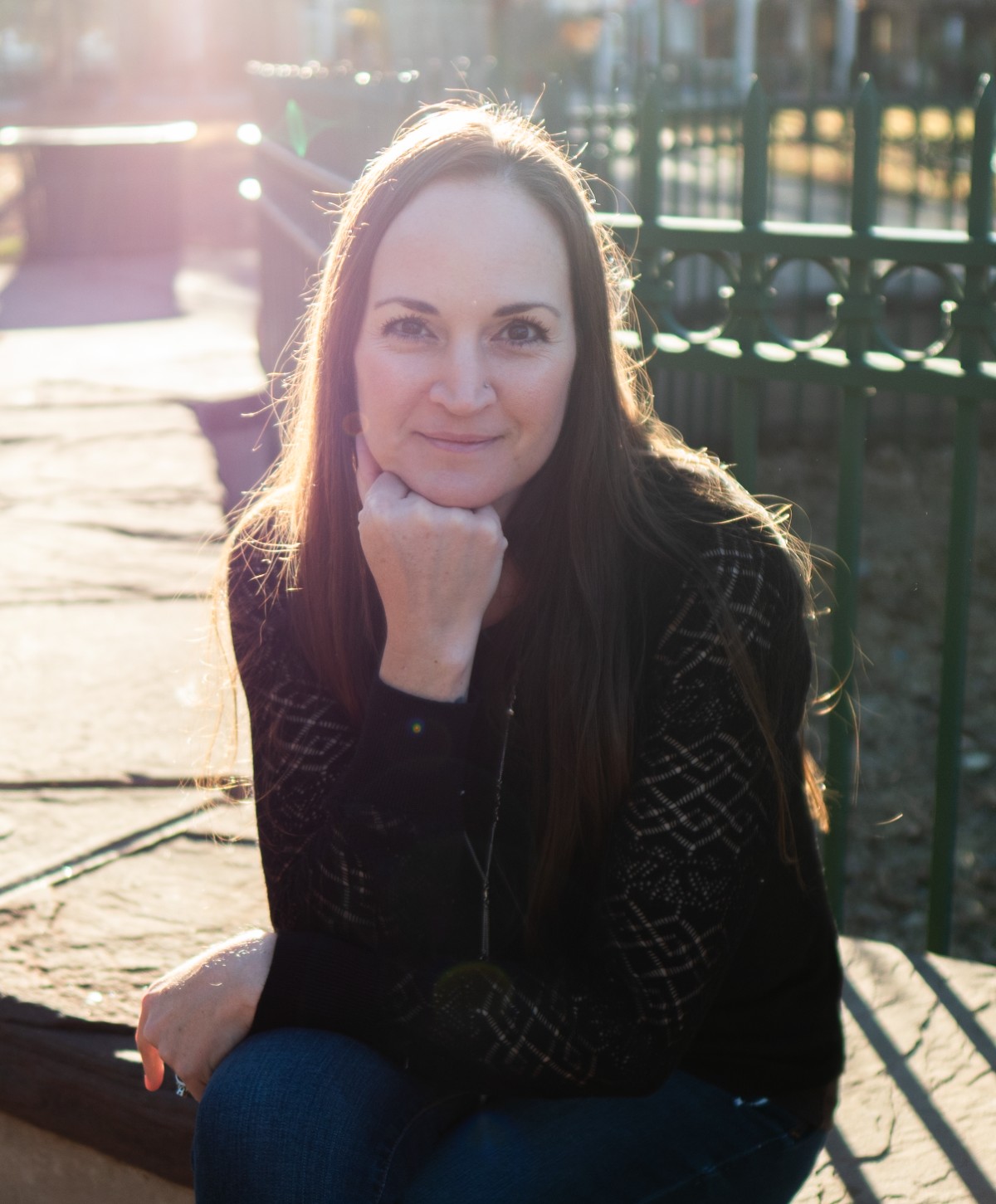
Author photograph by Ben Toalson
R.L. Toalson grew up running wild through corn rows and cow-grazing fields and recording true and wildly exaggerated false tales to entertain her friends, family members, and anyone who would listen. She still runs (literally) wild through the streets of her city and spends most of her days recording true (if a little exaggerated) and false tales to entertain anyone who will listen. She lives in San Antonio, Texas, with her one brilliant husband, six delightful children, and two arrogant cats. She’s the author of The Colors of the Rain, which won the Arnold Adoff Poetry Honor Award for New Voices in 2020; The Woods, which received a starred review from Booklist; the highly acclaimed The First Magnificent Summer; and Dirty Windows Don’t Open. Visit her at RachelToalson.com.
Product Details
- Publisher: Aladdin (May 19, 2026)
- Length: 464 pages
- ISBN13: 9781665956307
- Grades: 3 - 7
- Ages: 8 - 12
Browse Related Books
Raves and Reviews
" Told with tension and excellent pace, this is a heart-wrenching tale about the most difficult kind of forgiveness: forgiving oneself."
– –School Library Journal, Starred Review
"Themes of sacrifice, unconditional love, and identity resonate throughout this compassionate, accessible story."
– –Booklist
"Approachable, nuanced, and deeply moving."
– –Kirkus, Starred Review
"Throughout, affirming messages about love, forgiveness, and shifting interpersonal dynamics buoy this gut-wrenching and unforgettable story."
– –Publisher's Weekly, Starred Review
Awards and Honors
- Junior Library Guild Gold Standard Selection
Resources and Downloads
High Resolution Images
-
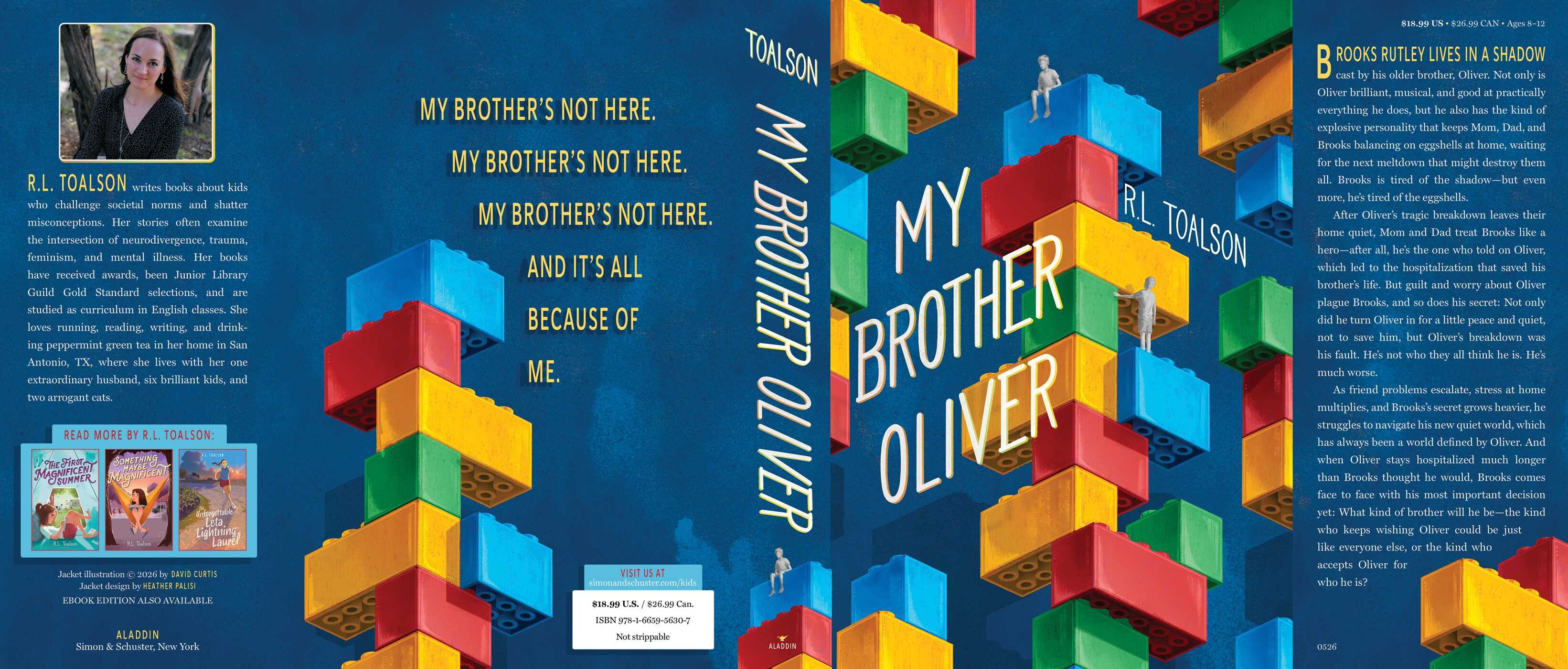
Book Cover Image (jpg): My Brother Oliver
Hardcover 9781665956307
-
Author Photo (jpg): R.L. Toalson Author photograph by Ben Toalson(0.1 MB)
Any use of an author photo must include its respective photo credit
My Brother Oliver
By R.L. Toalson
Join our mailing list!
By clicking 'Sign me up' I acknowledge that I have read and agree to the privacy policy and terms of use.