Get our latest staff recommendations, award news and digital catalog links right to your inbox.
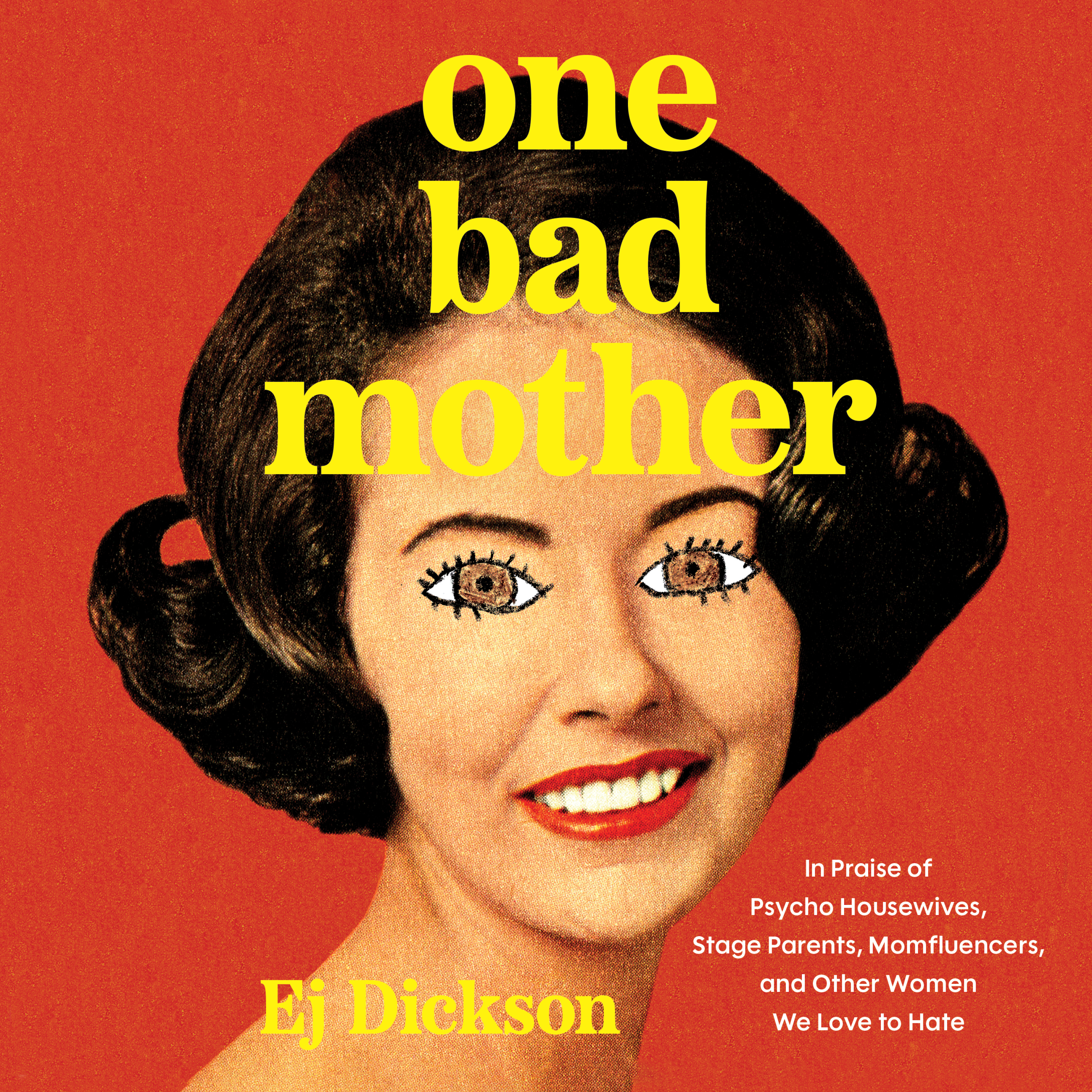
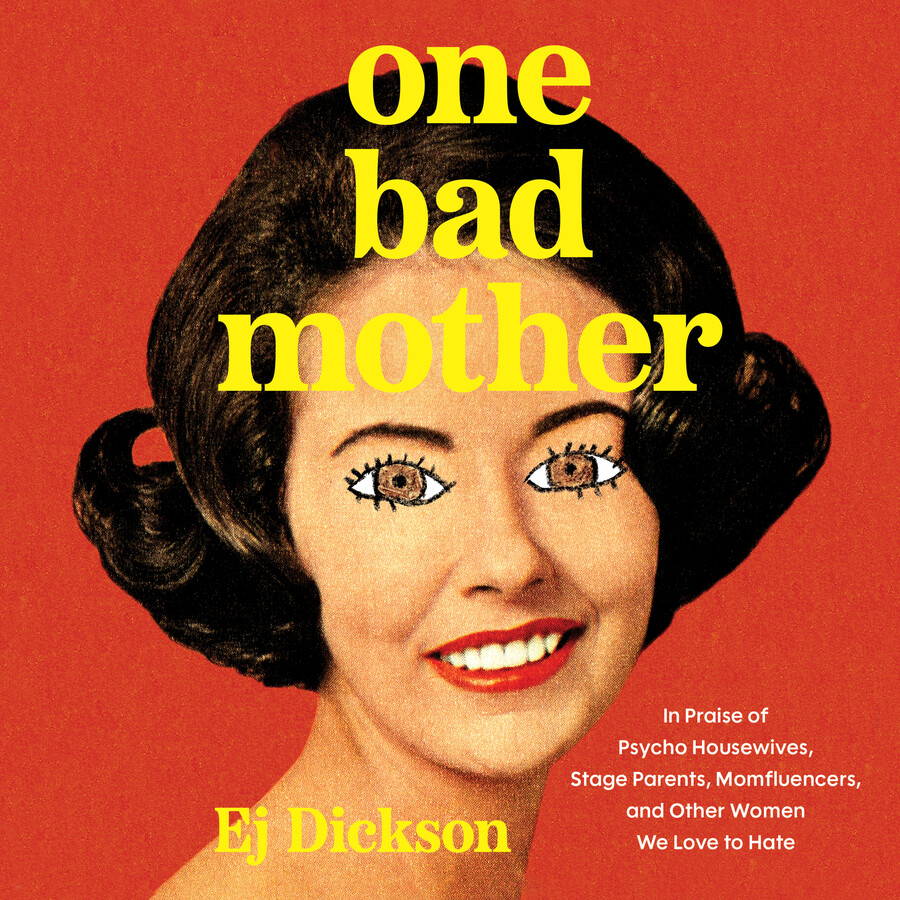
One Bad Mother
In Praise of Psycho Housewives, Stage Parents, Momfluencers, and Other Women We Love to Hate
By Ej Dickson
Read by Ej Dickson
Table of Contents
About The Book
For fans of the witty and evocative writing of Anne Helen Petersen and Amanda Montell, a sharply clever exploration of what it means to be a “bad mom” by delving into the world of momfluencers, stage moms, trad wives, and more.
We all have an idea what it means to be a good mom: little screen time, kids hitting their milestones, endless patience and understanding, and self-sacrifice on behalf of one’s children. But what does it mean to be a “bad mom” in modern society? Women as wide-ranging as Meghan Markle, Hannah Neelman (of Ballerina Farm), and anyone giving birth over forty, have been labeled “bad moms.” In a world where the rules are constantly changing, it feels like women simply cannot win.
With this in mind, in her first book, Ej Dickson takes a sharp, provocative look at one of society’s most polarizing labels: the “bad mom.” What makes a mother “bad,” and why? Through the lens of pop culture and American history, Ej Dickson explores how this trope has evolved—from Victorian “angels in the house” to the infamous Mommie Dearest, from Instagram influencers like EmRata and Mormon momfluencers to fictional icons like The Marvelous Mrs. Maisel.
Each chapter dives into a different archetype of so-called bad motherhood—like the Stage Mom, the Tiger Mom, the MILF, the MLM hun—challenging us to rethink our assumptions about femininity, parenting, and societal expectations. Drawing on insightful analysis and interviews, Dickson unpacks why our culture is obsessed with vilifying moms and how issues of race and class shape these narratives. Are bad moms truly “bad,” or do they simply defy norms we don’t fully understand—or fear?
This isn’t just cultural commentary—it’s a clarion call. Because if we really take a close look, we might find that some of the women we’ve reviled throughout history are due for a reassessment — and in doing so, moms today may take some much-needed pressure off themselves. One Bad Mother invites moms everywhere to stop chasing impossible standards, reclaim their autonomy, and maybe—just maybe—enjoy motherhood for what it is, not what it’s “supposed” to be.
Thoughtful, eye-opening, and downright funny at times, One Bad Mother is a vital exploration of modern motherhood.
We all have an idea what it means to be a good mom: little screen time, kids hitting their milestones, endless patience and understanding, and self-sacrifice on behalf of one’s children. But what does it mean to be a “bad mom” in modern society? Women as wide-ranging as Meghan Markle, Hannah Neelman (of Ballerina Farm), and anyone giving birth over forty, have been labeled “bad moms.” In a world where the rules are constantly changing, it feels like women simply cannot win.
With this in mind, in her first book, Ej Dickson takes a sharp, provocative look at one of society’s most polarizing labels: the “bad mom.” What makes a mother “bad,” and why? Through the lens of pop culture and American history, Ej Dickson explores how this trope has evolved—from Victorian “angels in the house” to the infamous Mommie Dearest, from Instagram influencers like EmRata and Mormon momfluencers to fictional icons like The Marvelous Mrs. Maisel.
Each chapter dives into a different archetype of so-called bad motherhood—like the Stage Mom, the Tiger Mom, the MILF, the MLM hun—challenging us to rethink our assumptions about femininity, parenting, and societal expectations. Drawing on insightful analysis and interviews, Dickson unpacks why our culture is obsessed with vilifying moms and how issues of race and class shape these narratives. Are bad moms truly “bad,” or do they simply defy norms we don’t fully understand—or fear?
This isn’t just cultural commentary—it’s a clarion call. Because if we really take a close look, we might find that some of the women we’ve reviled throughout history are due for a reassessment — and in doing so, moms today may take some much-needed pressure off themselves. One Bad Mother invites moms everywhere to stop chasing impossible standards, reclaim their autonomy, and maybe—just maybe—enjoy motherhood for what it is, not what it’s “supposed” to be.
Thoughtful, eye-opening, and downright funny at times, One Bad Mother is a vital exploration of modern motherhood.
Reading Group Guide
Join our mailing list! Get our latest staff recommendations, award news and digital catalog links right to your inbox.
By clicking 'Sign me up' I acknowledge that I have read and agree to the privacy policy and terms of use.
Discussion Questions for One Bad Mother by EJ Dickson
1. After reading the book, how would you describe your relationship to the idea of “being good”—in motherhood or in any other domain of your life?
2. Was there a passage that made you feel particularly seen, surprised, or even amused? What did the author capture especially well in that instance?
3. Which portrayal of motherhood felt most emotionally familiar to you, even if not literally reflective of your own experience? (For example: the overwhelmed mother, the scrutinized mother, the one striving to do everything “right.”)
4. The book explores how ordinary behaviors can be reframed as moral failings under public scrutiny. If your own life were subjected to that lens, what everyday choice might be misunderstood or unfairly judged?
5. Have you ever found yourself judging a mother—publicly or privately—and later reconsidered that judgment? What prompted the shift?
6. The author shows how small incidents are often inflated into evidence of larger failure. Did any example prompt you to reflect on how little room we allow for imperfection, either culturally or personally?
7. How did the chapters addressing poverty, policing, and the welfare state reshape your understanding of “neglect” versus “lack of support”?
8. Fear recurs throughout the book—fear of harm, failure, judgment, and scarcity. The author suggests that some parenting choices perceived as extreme may stem from anxiety or desperation rather than rigid ideology. How does fear shape modern motherhood, even among those without children? Did this framing alter your perspective on alternative health movements, online parenting communities, or highly protective parenting styles?
9. The book frequently frames motherhood as a public performance. Where do you see this most vividly today—social media, true crime narratives, wellness culture, political discourse?
10. How does the scrutiny directed at mothers compare to the scrutiny directed at fathers? What differences in expectation, forgiveness, or cultural narrative stood out to you?
11. Which “bad mother” examined in the book stayed with you most, and why? Were there figures or archetypes you expected to see included?
12. How do you interpret the book's treatment of momfluencer and trad wife culture? Do you see these spaces as empowering, exploitative, aspirational, or something more complicated?
13. Do you think the author ultimately asks readers to forgive these women, to understand them more fully, or to question the framework that labels them “bad”? Is there a meaningful distinction?
14. Was there a line, argument, or example that has stayed with you since finishing the book?
15. If the category of the “bad mother” were removed from our cultural vocabulary, what do you think would replace it—or what broader anxieties might be revealed?
1. After reading the book, how would you describe your relationship to the idea of “being good”—in motherhood or in any other domain of your life?
2. Was there a passage that made you feel particularly seen, surprised, or even amused? What did the author capture especially well in that instance?
3. Which portrayal of motherhood felt most emotionally familiar to you, even if not literally reflective of your own experience? (For example: the overwhelmed mother, the scrutinized mother, the one striving to do everything “right.”)
4. The book explores how ordinary behaviors can be reframed as moral failings under public scrutiny. If your own life were subjected to that lens, what everyday choice might be misunderstood or unfairly judged?
5. Have you ever found yourself judging a mother—publicly or privately—and later reconsidered that judgment? What prompted the shift?
6. The author shows how small incidents are often inflated into evidence of larger failure. Did any example prompt you to reflect on how little room we allow for imperfection, either culturally or personally?
7. How did the chapters addressing poverty, policing, and the welfare state reshape your understanding of “neglect” versus “lack of support”?
8. Fear recurs throughout the book—fear of harm, failure, judgment, and scarcity. The author suggests that some parenting choices perceived as extreme may stem from anxiety or desperation rather than rigid ideology. How does fear shape modern motherhood, even among those without children? Did this framing alter your perspective on alternative health movements, online parenting communities, or highly protective parenting styles?
9. The book frequently frames motherhood as a public performance. Where do you see this most vividly today—social media, true crime narratives, wellness culture, political discourse?
10. How does the scrutiny directed at mothers compare to the scrutiny directed at fathers? What differences in expectation, forgiveness, or cultural narrative stood out to you?
11. Which “bad mother” examined in the book stayed with you most, and why? Were there figures or archetypes you expected to see included?
12. How do you interpret the book's treatment of momfluencer and trad wife culture? Do you see these spaces as empowering, exploitative, aspirational, or something more complicated?
13. Do you think the author ultimately asks readers to forgive these women, to understand them more fully, or to question the framework that labels them “bad”? Is there a meaningful distinction?
14. Was there a line, argument, or example that has stayed with you since finishing the book?
15. If the category of the “bad mother” were removed from our cultural vocabulary, what do you think would replace it—or what broader anxieties might be revealed?
About The Author
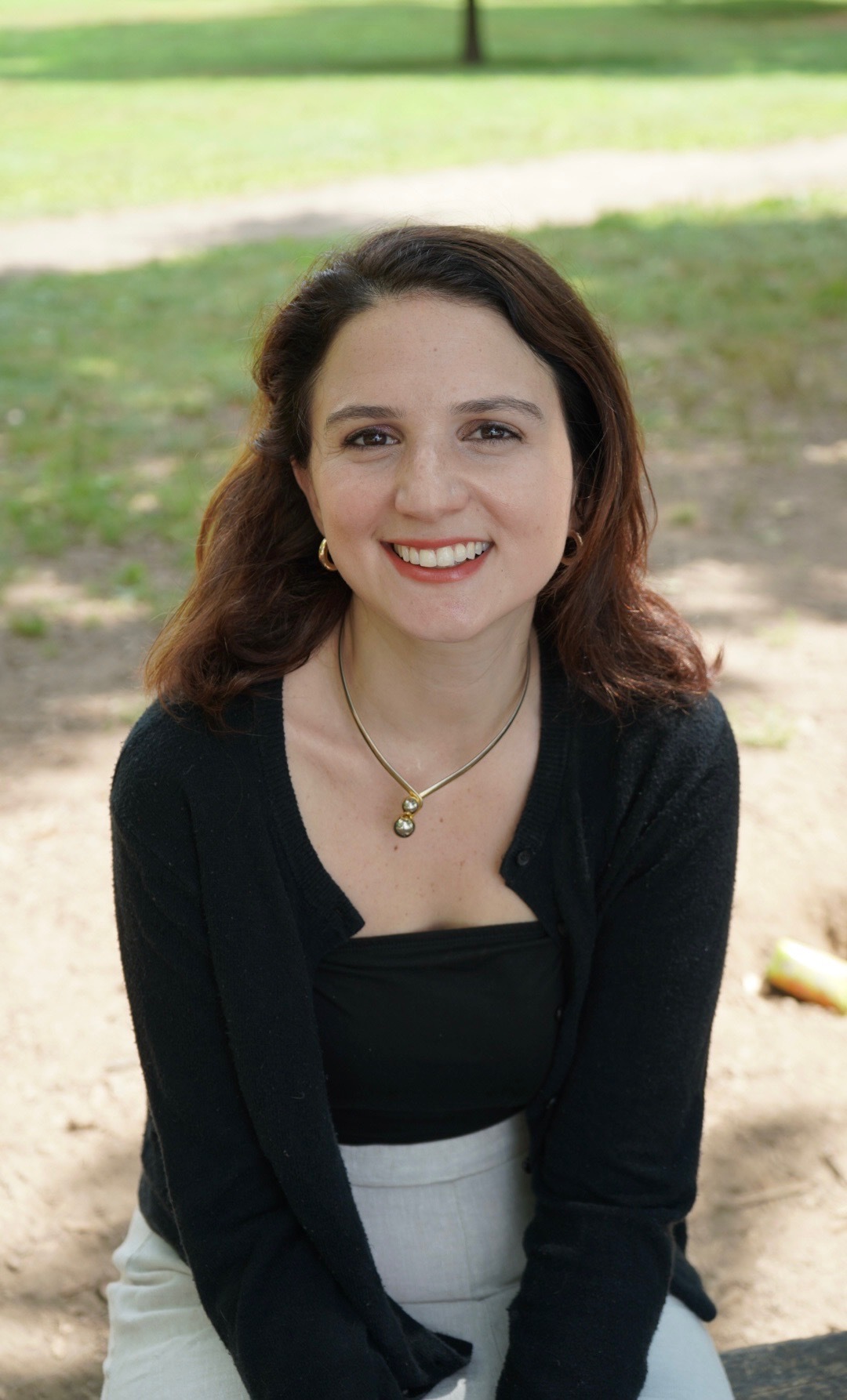
Rebecca Simone Rogers
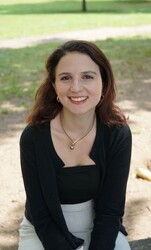
Ej Dickson is a senior writer at New York magazine’s The Cut. She previously worked as a senior writer for Rolling Stone and her writing has also been published in The New York Times, The Washington Post, GQ, Elle, and many others. She lives with her family in Brooklyn, New York. Visit EjDickson.com for more information.
About The Reader
Rebecca Simone Rogers
Ej Dickson is a senior writer at New York magazine’s The Cut. She previously worked as a senior writer for Rolling Stone and her writing has also been published in The New York Times, The Washington Post, GQ, Elle, and many others. She lives with her family in Brooklyn, New York. Visit EjDickson.com for more information.
Product Details
- Publisher: Simon & Schuster Audio (February 10, 2026)
- Runtime: 8 hours and 4 minutes
- ISBN13: 9781797196398
Browse Related Books
Resources and Downloads
High Resolution Images
-
Book Cover Image (jpg): One Bad Mother
Unabridged Audio Download 9781797196398
-
Author Photo (jpg): Ej Dickson Rebecca Simone Rogers(0.1 MB)
Any use of an author photo must include its respective photo credit
One Bad Mother
In Praise of Psycho Housewives, Stage Parents, Momfluencers, and Other Women We Love to Hate
By Ej Dickson
Read by Ej Dickson
Join our mailing list!
By clicking 'Sign me up' I acknowledge that I have read and agree to the privacy policy and terms of use.