
Get our latest staff recommendations, award news and digital catalog links right to your inbox.
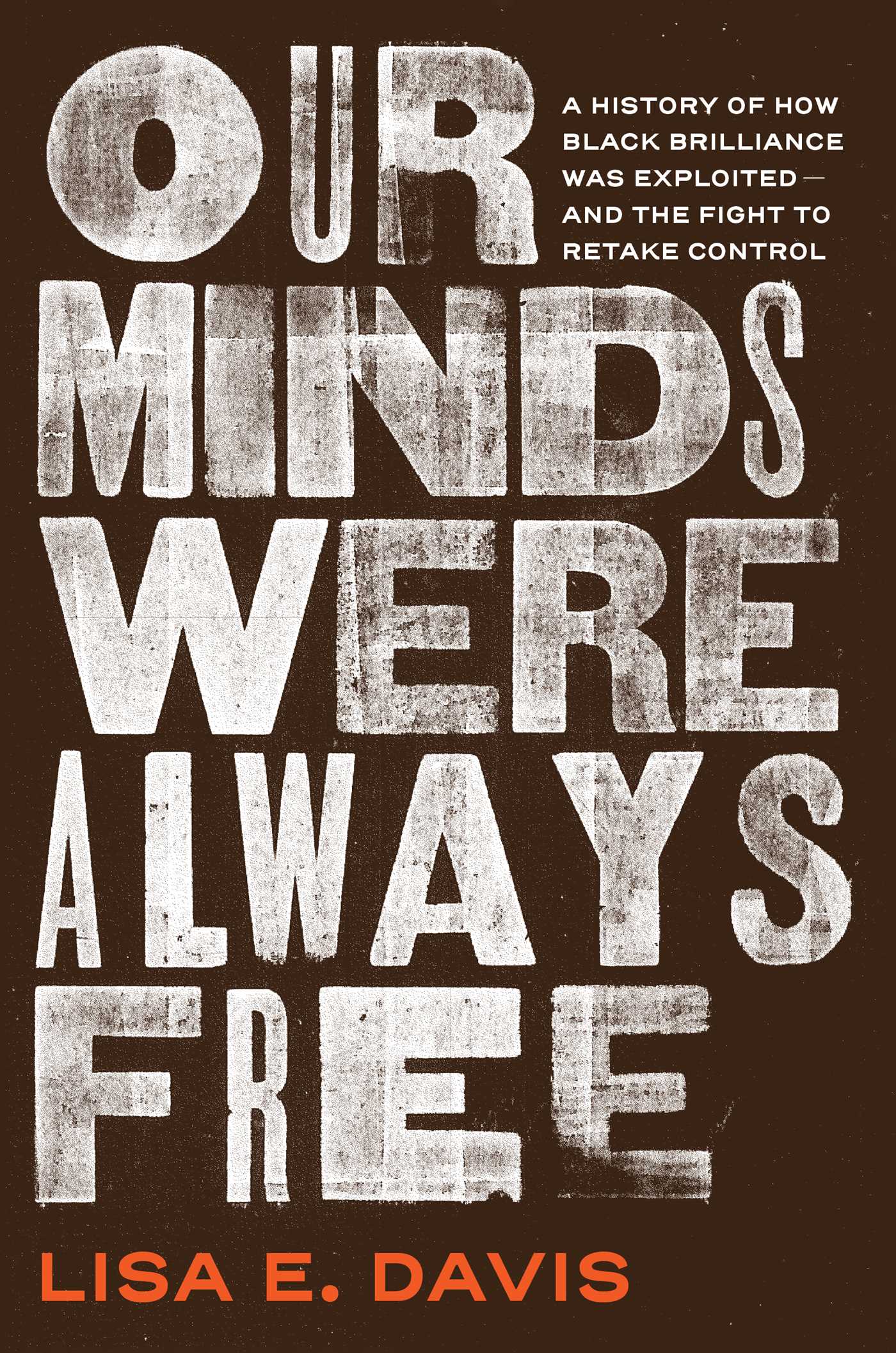
Our Minds Were Always Free
A History of How Black Brilliance Was Exploited—and the Fight to Retake Control
By Lisa E Davis
Table of Contents
About The Book
An exploration of how African American innovators and artists—whose impact and financial value in American music, movies, and TV is disproportionately greater than their numbers—have fought for and often won the rights to own and benefit from their own work.
When we think about the things that have barred success for African Americans, intellectual property law is hardly the first thing that comes to mind, if we even think of it all. We certainly don’t think of it as the launching pad for building generational wealth in the Black community, so it follows that we don’t see our favorite pop stars as revolutionary race warriors.
African American artists have finally, belatedly, come to be the owners of their art and beneficiaries of the money their art makes, after centuries of producing life-changing art. There were hundreds and thousands of Bessie Smiths before we ever got Beyoncé or Kendrick Lamar.
Lisa E. Davis, one of the foremost entertainment attorneys in the country, traces the epic journey Black Americans have been on, from being claimed as property to claiming the benefits of intellectual property. As she notes, “Under slavery, our minds were always free, but there was no profit from what our minds created.”
Beginning in the 18th century with the drafting of the Constitution and ending in the 21st century with a warning about the role technology will play in creative industries, Our Minds Were Always Free tells the story of the indelible legacy of Black American genius and the struggle to receive the credit and the profit that they deserved.
When we think about the things that have barred success for African Americans, intellectual property law is hardly the first thing that comes to mind, if we even think of it all. We certainly don’t think of it as the launching pad for building generational wealth in the Black community, so it follows that we don’t see our favorite pop stars as revolutionary race warriors.
African American artists have finally, belatedly, come to be the owners of their art and beneficiaries of the money their art makes, after centuries of producing life-changing art. There were hundreds and thousands of Bessie Smiths before we ever got Beyoncé or Kendrick Lamar.
Lisa E. Davis, one of the foremost entertainment attorneys in the country, traces the epic journey Black Americans have been on, from being claimed as property to claiming the benefits of intellectual property. As she notes, “Under slavery, our minds were always free, but there was no profit from what our minds created.”
Beginning in the 18th century with the drafting of the Constitution and ending in the 21st century with a warning about the role technology will play in creative industries, Our Minds Were Always Free tells the story of the indelible legacy of Black American genius and the struggle to receive the credit and the profit that they deserved.
Appearances
JUN 10
7:00PM
[words]
179 Maplewood Ave
Maplewood, NJ 07040
Product Details
- Publisher: Simon & Schuster (May 19, 2026)
- Length: 272 pages
- ISBN13: 9781982175993
Browse Related Books
Raves and Reviews
"There’s so much to admire in this perceptive book. Lively and smart, this is a must for music lovers." —Kirkus (starred review)
“Davis paints a cohesive portrait of intellectual property theft as a key component of America’s anti-Black superstructure. Amid the rise of AI and new questions about who controls intellectual property, this is a unique and urgent contribution.” —Publishers Weekly
Resources and Downloads
High Resolution Images
-
Book Cover Image (jpg): Our Minds Were Always Free
Hardcover 9781982175993
Our Minds Were Always Free
A History of How Black Brilliance Was Exploited—and the Fight to Retake Control
By Lisa E Davis
Join our mailing list!
By clicking 'Sign me up' I acknowledge that I have read and agree to the privacy policy and terms of use.