
Get our latest staff recommendations, award news and digital catalog links right to your inbox.
Table of Contents
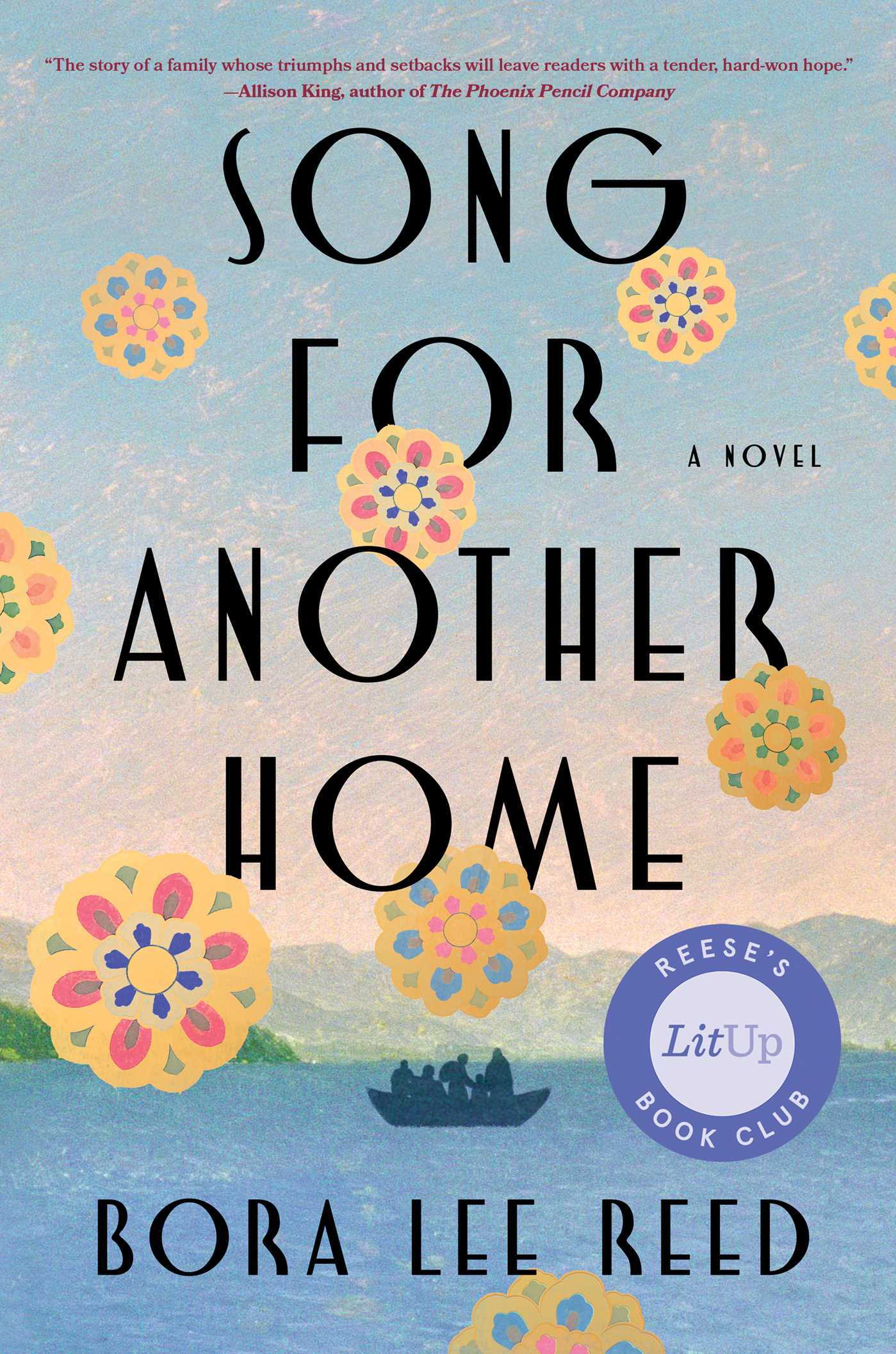
About The Book
Pachinko meets Homegoing in this powerful story of family separation and reunion amid love and war from a Reese’s Book Club LitUp fellow.
When news hits in 1950 that the Americans have entered the war between North and South Korea, Oksoon and her family believe the conflict will soon end. But then China joins the war, and they decide to flee their home in Pyongyang despite the freezing temperatures and lack of food. Journeying from the barren, war-torn streets of the North in the winter to the seedy back alleys of the South Korean capital of Seoul in the summer, the family falls in with an unlikely group of miscreants.
Meanwhile, far to the south, Oksoon’s cousin Junho seeks refuge at an orphanage for abandoned children. As the institution struggles to keep its doors open, Junho, with his elementary command of English, is tasked with drafting letters to American missionaries and benefactors to ask for money. When the enigmatic director brings her aristocratic niece to the orphanage, Junho finds himself caught between his impulse for survival and his growing affections for the young woman, even though his feelings put him at risk of being expelled from the only safe place he knows.
Movingly rendered, Song for Another Home highlights the power of resilience, the tension between personal dreams and duty to family, and how choices made in a brief moment have consequences that reverberate across time and through generations.
When news hits in 1950 that the Americans have entered the war between North and South Korea, Oksoon and her family believe the conflict will soon end. But then China joins the war, and they decide to flee their home in Pyongyang despite the freezing temperatures and lack of food. Journeying from the barren, war-torn streets of the North in the winter to the seedy back alleys of the South Korean capital of Seoul in the summer, the family falls in with an unlikely group of miscreants.
Meanwhile, far to the south, Oksoon’s cousin Junho seeks refuge at an orphanage for abandoned children. As the institution struggles to keep its doors open, Junho, with his elementary command of English, is tasked with drafting letters to American missionaries and benefactors to ask for money. When the enigmatic director brings her aristocratic niece to the orphanage, Junho finds himself caught between his impulse for survival and his growing affections for the young woman, even though his feelings put him at risk of being expelled from the only safe place he knows.
Movingly rendered, Song for Another Home highlights the power of resilience, the tension between personal dreams and duty to family, and how choices made in a brief moment have consequences that reverberate across time and through generations.
Appearances
AUG 20
7:00PM
In Person
Learn MoreMenlo-Atherton Performing Arts Center
555 Middlefield Road
Palo Alto, CA 94301
Excerpt
Chapter One ONE
Thirty-nine days.
Oksoon uses the nub of her pencil to scratch another line onto the last page of her school notebook. She turns to the front and leafs through its coarse pages. Here is an impassioned argument for the education of girls, and here an essay swooning over the military genius of the sixteenth-century admiral Yi Sunshin. The notebook is from this past year, but already the writing blanketing each page seems unbearably earnest.
“Always scribbling, scribbling,” her brother Changho says, leaning in. “What are you writing now?”
Oksoon elbows him away, closes the notebook, and turns back to take her turn. They’re trying to distract themselves from worrying about the war by playing baduk, a man’s game her brother has taught her how to play. Changho sits cross-legged and hunched over the board. He loves baduk more than anything, and it was his idea to turn his sister into an opponent strong enough to challenge him. But he is restless. They both are.
“Are they alive?” he says. “For all we know, they could be dead in a ditch somewhere with their eyes gouged out. How would we know?” He’s still nursing a grievance at being left behind and seems to take a perverse pleasure in saying terrible things.
“What do you think of this move?” Oksoon asks. She’s setting up to attack and is confident about her strategy, but she asks anyway, wanting to change the subject. She feels a little sorry for Changho, knowing his pride’s been bruised at being left behind with the women of the family while their father and elder brother traveled to Seoul, enticed by the promise of a business opportunity. “Have I gotten myself into a bind?” she asks, biting her lip and trying to look befuddled. She raises her arm to wipe her runny nose, then hears her mother’s voice in her head. At fourteen, Oksoon should know better. She pulls out a handkerchief and uses that instead.
Changho looks down at the board and frowns as she puts down another stone. “What are you doing?” he says in his lecturing teacher voice. “You’re being reckless.”
“Do you think so?” she asks. “Maybe I’m being bold.” Her brother snorts and sets down a white stone to block her black one.
It’s midday, but the room is dim because the single window is shuttered, and every gap and crevice sealed up against winter. With wartime shortages, they’re out of lamp oil, and candles are precious, so they’ve opened the door a crack to let in a sliver of light. Oksoon feels a thin stream of bitter cold against her back.
When she first started to play baduk, she was clumsy. She pondered each move, desperately wanting to hold on to every territory won, not wanting to give anything up. Now she’s tapped into an instinct for the game. A peculiar, intoxicating stillness fills her as she concentrates. Her worries fade into the background as she imagines the baduk stones as battling dragons or as ships under the command of Admiral Yi Sunshin. Today she looks at the intersecting lines of the wooden board and imagines what it might be like to see their home from above. The entire board might be their city, Pyongyang. Over there is downtown, now occupied by the Americans. This territory is the northern edge of their city, and this little corner, surrounded by her stones, is their neighborhood. She touches a single black piece with her forefinger. This is the roof of their cozy home.
Thirty-nine days.
At first, there was no need to count. Oksoon hardly noticed how long her father and eldest brother had been gone. The fighting between the North and the South was effectively over, and traveling was safe again. Everyone said so. Two weeks passed without a word, then three, but Oksoon told herself that was to be expected. Without hitching a ride or some other stroke of luck, it would take her father and brother almost two weeks to get to Seoul from Pyongyang, and that was walking at a good clip. Being away for at least a month was to be expected.
In the meantime, life moved along as it always had, the crisp autumn days stringing together like bright red chili peppers drying in the sun. As she helped her mother and the neighborhood women with kimjang, putting up kimchi for the winter, Oksoon listened to the neighborhood gossip about the United Nations forces, which now occupied Pyongyang. These foreigners slid into the barracks built during the Japanese occupation, their dun-colored trucks and jeeps polluting the air with smelly exhaust. Downtown became a fortress surrounded by barbed wire–topped fencing as soldiers moved in and out of city hall, the mayor’s residence, and the provincial office.
“The new owners are making themselves right at home,” one lady said. “Endure it,” said another. “Cham-ah. Let’s hold on and hope this will all be over soon.”
The first sign that something was wrong came from a neighbor ahjussi, who heard something from the rag merchant, who heard a rumor from the lady who took in wash from the Americans. “It’s too quiet,” he said. “You know these Westerners. It’s in their nature to be loud. It’s not a good sign when they shut up.” The smiling and joking had stopped, people said. The soldiers moved with urgency, barking at each other in their strange, caustic language. Their nervousness felt palpable and contagious, crackling through the air like static electricity.
Then someone said China had joined the fighting. China! Could that be true? American planes began menacing the horizon. At first, the terrifying sight sent people panicking for cover. Soon enough, though, they learned to interpret what they were seeing. As long as the plane wasn’t heading directly toward them, people stood and watched the sky, transfixed as bombs fell, eight at a time, tumbling out of its smooth silver belly.
Their mother had said little about any of this but went about her chores with her mouth set in a permanent frown. Worry made Oksoon’s stomach ache. She tried to read but couldn’t concentrate. At night, she tossed and turned, trying to make sense of the rumors, telling herself nothing was known for sure. So she began marking the days in her notebook. The counting soothed her nerves. Thirty-six since her father and eldest brother’s departure. Thirty-seven, thirty-eight.
Meanwhile, more and more people are getting out of Pyongyang. The fleeing had begun last summer, when the retreating People’s Army swept through the neighborhoods, conscripting young men. Many fled to the South then, while her brothers had been sent to hide in the mountains. Worried about informants, they told no one where they had gone. Weeks later, they returned gaunt but relieved. Now entire households are packing up, terrified that Pyongyang might be caught in the crossfire between China and America, two monsters clashing. If her father were here, he would know what to do. They should be home by now.
“If Appa and Hyeong have any sense, they’ll stay away,” Changho says. He has an uncanny knack for knowing what she’s thinking. “Meanwhile, I’m pinned here with the women.”
How close might the fighting get? Oksoon wonders. American strength is unbeatable, her father likes to say. American strength is unmatched. The war is over. She holds on to his words, even as more planes fly across the sky and the sound of explosions now punctuates their days.
“I’m taller than Hyeong and stronger, too,” Changho says. “And faster. Did I tell you about the last time we raced to the footbridge?” Yes, she’s heard the story. Several times. She marvels at her brother’s fixation on competition, even at a time like this.
“I was beating him by a full step,” he says. “When I rounded the last corner, he grabbed my shirt. Completely unfair.”
Oksoon wonders what Changho would say if she listed the things that feel unfair to her. Girls can’t go out alone. Girls wait to eat. The last egg, the last chestnut, the last anything is always saved for one of her brothers. It’s pointless to complain aloud, but sometimes her mother catches Oksoon’s expression and gently shakes her head. “Yang-bo hae,” she says. It’s a familiar refrain: step aside, yield.
Oksoon turns her attention back to baduk, glad to push these thoughts aside. The game has moved to the middle of the board. The choices are fewer now. Their stones zigzag across the board like battling dragons. Changho’s eyes flit back and forth. He’s been a bit careless, and she can tell he’s stumped and surprised. She’s already playing with just a two-stone handicap. It won’t be long before her brother finds in her a full and equal opponent.
“Look,” Oksoon says, setting her stone down for a decisive move, “I think I just killed your dragon.”
In her peripheral vision, she catches a flash of movement, then yells as Changho grabs one of her braids and yanks, hard.
“Ow, stop it.” She slaps his hand away.
Changho reaches out to pull her hair again, but Oksoon scuttles backward into the far corner of the room. He lunges toward her, upsetting the baduk board. Their meticulously arranged stones skitter across the floor. Oksoon smells the acrid tang of Changho’s sweat.
“It’s not my fault he left you behind,” she shouts. “Don’t take it out on me!”
Changho lurches forward to grab her feet, but Oksoon is fast. She dances around the small room, shrieking and laughing. She hops over their neatly stacked bedding and bangs her shin against the corner of the wooden chest, which sends the family Bible atop it flying.
If their mother comes home and finds them like this, a fourteen-year-old girl and her sixteen-year-old brother running at each other like animals, she will beat them both. But right now, Oksoon doesn’t care. These days of waiting and worry have ground them down, and they’re all wound too tight. It feels good to fight. It reminds her of when they were children: Changho’s size and strength against her agile dodging.
“Whaaaaa!” she screams and throws herself against him.
“What the—” She sees surprise on Changho’s face as they both crumple to the ground. They tussle, squirm, then both start laughing.
“Yah, Oksoon-ah,” her brother says. “Aren’t you too old to be acting so crazy?”
Oksoon smooths her hair, feeling a pinch of remorse. Changho’s right. She’s far too old for this. Girls just a few years older than Oksoon are getting married and having babies, bearing the responsibilities of serving entire households. Yet a familiar rebellion stirs.
“You baited me,” she says as she crawls around the room, gathering the baduk pieces.
Changho sits very still. “Why?” he whispers. “Why did he leave me behind?”
The answer is unspoken, but they both know it. Byungho is the firstborn, the natural favorite. He’s handsome, studious, and responsible. He’s just two years older than Changho and three years older than Oksoon, but the distance between them is vast. He belongs to the grown-up world, where he is consulted by their father and deferred to by their mother. Whereas Changho and Oksoon—even now, at sixteen and fourteen and on the cusp of adulthood—they’ll always be the children.
“I’m glad you’re here with us,” she says, moving next to him. He gives her a small smile.
From outside, someone shouts. Brother and sister look at each other, suddenly hopeful. Could it be? Changho hurries out to the porch, with Oksoon close behind. Their modest house sits surrounded by a low stone wall. Standing on the landing, they can see over that wall to the people passing by. Snow is falling, blanketing everything. The black branches of the persimmon tree are laced in white, the kimchi hut sits half buried in snow, and soft drifts smooth out the rough edges of the stone wall. The air thumps with two blasts, close together. Oksoon grabs her brother’s hand. She feels him trembling. There’s no sign of her father or brother. Instead, they hear more shouting and the crunch of wooden wheels.
“Pali wah! Hurry!” a passing man calls to someone behind him. He sways a little under the weight of the jige, the wooden carrier on his back, loaded with parcels bound with rope. Another explosion—the house shakes again.
“What’s happening?” Changho calls out.
“Are you stupid?” the man shouts back. “I don’t want to die, that’s what’s happening.” He stabs at the sky with both hands. “Haven’t you seen the pattern? It’s only a matter of time before they strike this neighborhood. I’m getting out. You should do the same.” A woman with a baby on her back catches up to him, and they all hurry past.
Changho scans the sky, but it’s too cloudy to see anything. He shudders. “Everyone is leaving. We’ve got to get out of here,” he says. “As soon as Omma gets back.”
“Father expects to find us here,” Oksoon says.
“He couldn’t know this would happen,” Changho says. “And why would anyone in their right mind come back now?”
“The Americans are still here,” she insists. “And Father wouldn’t abandon us.”
Her brother looks at her. “Not on purpose,” he says. Changho needs a haircut, and his cheeks are pitted with acne scars. He’s still young, Oksoon thinks. He doesn’t know what he’s talking about. She pulls on her shoes and walks around to the side of the house, her brother following.
In the kitchen, small clay jars line the rough wooden shelves. Ropes of garlic and peppers hang from the rafter, alternating red and white. Round bricks of fermenting soybean paste dry on a string tied under the eaves. Look, the kitchen seems to say, everything is fine. Oksoon roughly stirs the ashes in the fireplace, sending up a flurry of sparks. From his home in the corner, her mother’s prized rooster appraises her with a cool eye.
Changho uses a small stick to poke at the coop. The rooster squawks an angry protest. He’s a handsome bird—brown body, yellow head, and bright orange feet—though he seems forlorn these days with no brood to bully. One by one, they’ve lost their hens: to the soup pot, to sickness, and the last one to an enterprising fox. “Never mind,” their mother said when the final hen was gone. “We’ll hold on to this kingpin through this winter and replenish the stock come spring.”
“Leave him alone,” Oksoon says.
Changho opens his mouth to reply, then stops. She hears it, too: a low whistle.
Changho drops the stick and hurries out with Oksoon close behind. Another whistle, their signal, more insistent this time.
“She’s not home,” Changho calls loudly. “You can stop fooling around.”
Taeil, a skinny twelve-year-old from the neighborhood, jumps up from where he was crouching on the other side of the wall. Changho opens the gate and lets him in. Taeil jumps from one foot to the other, as nervous as a rabbit, hands crammed into his pockets. Snow flecks his dark hair, and he wears no coat.
“Come with me,” Taeil says through chattering teeth. “You have to see it to believe it.”
Oksoon doesn’t know what he’s talking about, but she doesn’t like the sound of it. She grabs the edge of Changho’s shirt. “Don’t go,” she pleads.
“You gonna let your little sister tell you what to do?” Taeil taunts.
“Shut up,” Oksoon says. She tugs at Changho’s shirt. “Or take me with you.”
Changho pries her hand off him. He is impatient, but she catches a flash of pity. “I’ll be back before you know it,” he says. Then he runs after Taeil, who is already sprinting down the hill. Before he turns the corner, he looks back at her. “Don’t worry,” Changho says.
And then they are gone.
Dumbfounded, Oksoon pauses, caught in a moment of indecision, then runs after them. They’ve rounded the corner and are out of sight, but she’s sure she can catch up. Cold seeps into her shoes, and she thinks she should have brought her cloak, but it doesn’t matter. She won’t be out here long and will make sure she returns before her mother does—
Oksoon stops short, imagining her mother, already so bowed down with worry, coming home to an empty house. Duty yanks at her like a leash. Don’t go out alone. Don’t burden your mother. Yang-bo hae. Yield. She turns and trudges back home.
There, she sits on the edge of the landing and draws her knees up to her chest, feeling dampness seep into her skirt. She imagines a web of invisible threads going out from her to all the people she loves—to her mother on an errand, to Changho running around with Taeil, and to her father and Byungho oppa. More threads stretch to their home village, to her grandparents, uncles, aunts, even to her cousin Junho, who’s run away to the South.
For a moment, she indulges herself and imagines her father and eldest brother walking toward Pyongyang. They’ve been successful in Seoul, the business opportunities dripping like honey, just as her father predicted. To prove it, their satchels are stuffed, almost too heavy to carry on the long journey back. She sees them in her mind’s eye, bursting through the gate with a shout, laughing and stomping their feet. They exclaim at all they’ve brought back from the big city: dried persimmons, dates, yeot, sesame candy. Her father inspects Oksoon and Changho, commending them for being good. Byungho oppa tousles her hair; the brothers affectionately cuff one another. And just like that, all the waiting and anxiety of these last weeks are swept away.
Let it be so, she thinks, even as she senses something pitiless moving toward them.
Thirty-nine days. Oksoon is counting.
Thirty-nine days.
Oksoon uses the nub of her pencil to scratch another line onto the last page of her school notebook. She turns to the front and leafs through its coarse pages. Here is an impassioned argument for the education of girls, and here an essay swooning over the military genius of the sixteenth-century admiral Yi Sunshin. The notebook is from this past year, but already the writing blanketing each page seems unbearably earnest.
“Always scribbling, scribbling,” her brother Changho says, leaning in. “What are you writing now?”
Oksoon elbows him away, closes the notebook, and turns back to take her turn. They’re trying to distract themselves from worrying about the war by playing baduk, a man’s game her brother has taught her how to play. Changho sits cross-legged and hunched over the board. He loves baduk more than anything, and it was his idea to turn his sister into an opponent strong enough to challenge him. But he is restless. They both are.
“Are they alive?” he says. “For all we know, they could be dead in a ditch somewhere with their eyes gouged out. How would we know?” He’s still nursing a grievance at being left behind and seems to take a perverse pleasure in saying terrible things.
“What do you think of this move?” Oksoon asks. She’s setting up to attack and is confident about her strategy, but she asks anyway, wanting to change the subject. She feels a little sorry for Changho, knowing his pride’s been bruised at being left behind with the women of the family while their father and elder brother traveled to Seoul, enticed by the promise of a business opportunity. “Have I gotten myself into a bind?” she asks, biting her lip and trying to look befuddled. She raises her arm to wipe her runny nose, then hears her mother’s voice in her head. At fourteen, Oksoon should know better. She pulls out a handkerchief and uses that instead.
Changho looks down at the board and frowns as she puts down another stone. “What are you doing?” he says in his lecturing teacher voice. “You’re being reckless.”
“Do you think so?” she asks. “Maybe I’m being bold.” Her brother snorts and sets down a white stone to block her black one.
It’s midday, but the room is dim because the single window is shuttered, and every gap and crevice sealed up against winter. With wartime shortages, they’re out of lamp oil, and candles are precious, so they’ve opened the door a crack to let in a sliver of light. Oksoon feels a thin stream of bitter cold against her back.
When she first started to play baduk, she was clumsy. She pondered each move, desperately wanting to hold on to every territory won, not wanting to give anything up. Now she’s tapped into an instinct for the game. A peculiar, intoxicating stillness fills her as she concentrates. Her worries fade into the background as she imagines the baduk stones as battling dragons or as ships under the command of Admiral Yi Sunshin. Today she looks at the intersecting lines of the wooden board and imagines what it might be like to see their home from above. The entire board might be their city, Pyongyang. Over there is downtown, now occupied by the Americans. This territory is the northern edge of their city, and this little corner, surrounded by her stones, is their neighborhood. She touches a single black piece with her forefinger. This is the roof of their cozy home.
Thirty-nine days.
At first, there was no need to count. Oksoon hardly noticed how long her father and eldest brother had been gone. The fighting between the North and the South was effectively over, and traveling was safe again. Everyone said so. Two weeks passed without a word, then three, but Oksoon told herself that was to be expected. Without hitching a ride or some other stroke of luck, it would take her father and brother almost two weeks to get to Seoul from Pyongyang, and that was walking at a good clip. Being away for at least a month was to be expected.
In the meantime, life moved along as it always had, the crisp autumn days stringing together like bright red chili peppers drying in the sun. As she helped her mother and the neighborhood women with kimjang, putting up kimchi for the winter, Oksoon listened to the neighborhood gossip about the United Nations forces, which now occupied Pyongyang. These foreigners slid into the barracks built during the Japanese occupation, their dun-colored trucks and jeeps polluting the air with smelly exhaust. Downtown became a fortress surrounded by barbed wire–topped fencing as soldiers moved in and out of city hall, the mayor’s residence, and the provincial office.
“The new owners are making themselves right at home,” one lady said. “Endure it,” said another. “Cham-ah. Let’s hold on and hope this will all be over soon.”
The first sign that something was wrong came from a neighbor ahjussi, who heard something from the rag merchant, who heard a rumor from the lady who took in wash from the Americans. “It’s too quiet,” he said. “You know these Westerners. It’s in their nature to be loud. It’s not a good sign when they shut up.” The smiling and joking had stopped, people said. The soldiers moved with urgency, barking at each other in their strange, caustic language. Their nervousness felt palpable and contagious, crackling through the air like static electricity.
Then someone said China had joined the fighting. China! Could that be true? American planes began menacing the horizon. At first, the terrifying sight sent people panicking for cover. Soon enough, though, they learned to interpret what they were seeing. As long as the plane wasn’t heading directly toward them, people stood and watched the sky, transfixed as bombs fell, eight at a time, tumbling out of its smooth silver belly.
Their mother had said little about any of this but went about her chores with her mouth set in a permanent frown. Worry made Oksoon’s stomach ache. She tried to read but couldn’t concentrate. At night, she tossed and turned, trying to make sense of the rumors, telling herself nothing was known for sure. So she began marking the days in her notebook. The counting soothed her nerves. Thirty-six since her father and eldest brother’s departure. Thirty-seven, thirty-eight.
Meanwhile, more and more people are getting out of Pyongyang. The fleeing had begun last summer, when the retreating People’s Army swept through the neighborhoods, conscripting young men. Many fled to the South then, while her brothers had been sent to hide in the mountains. Worried about informants, they told no one where they had gone. Weeks later, they returned gaunt but relieved. Now entire households are packing up, terrified that Pyongyang might be caught in the crossfire between China and America, two monsters clashing. If her father were here, he would know what to do. They should be home by now.
“If Appa and Hyeong have any sense, they’ll stay away,” Changho says. He has an uncanny knack for knowing what she’s thinking. “Meanwhile, I’m pinned here with the women.”
How close might the fighting get? Oksoon wonders. American strength is unbeatable, her father likes to say. American strength is unmatched. The war is over. She holds on to his words, even as more planes fly across the sky and the sound of explosions now punctuates their days.
“I’m taller than Hyeong and stronger, too,” Changho says. “And faster. Did I tell you about the last time we raced to the footbridge?” Yes, she’s heard the story. Several times. She marvels at her brother’s fixation on competition, even at a time like this.
“I was beating him by a full step,” he says. “When I rounded the last corner, he grabbed my shirt. Completely unfair.”
Oksoon wonders what Changho would say if she listed the things that feel unfair to her. Girls can’t go out alone. Girls wait to eat. The last egg, the last chestnut, the last anything is always saved for one of her brothers. It’s pointless to complain aloud, but sometimes her mother catches Oksoon’s expression and gently shakes her head. “Yang-bo hae,” she says. It’s a familiar refrain: step aside, yield.
Oksoon turns her attention back to baduk, glad to push these thoughts aside. The game has moved to the middle of the board. The choices are fewer now. Their stones zigzag across the board like battling dragons. Changho’s eyes flit back and forth. He’s been a bit careless, and she can tell he’s stumped and surprised. She’s already playing with just a two-stone handicap. It won’t be long before her brother finds in her a full and equal opponent.
“Look,” Oksoon says, setting her stone down for a decisive move, “I think I just killed your dragon.”
In her peripheral vision, she catches a flash of movement, then yells as Changho grabs one of her braids and yanks, hard.
“Ow, stop it.” She slaps his hand away.
Changho reaches out to pull her hair again, but Oksoon scuttles backward into the far corner of the room. He lunges toward her, upsetting the baduk board. Their meticulously arranged stones skitter across the floor. Oksoon smells the acrid tang of Changho’s sweat.
“It’s not my fault he left you behind,” she shouts. “Don’t take it out on me!”
Changho lurches forward to grab her feet, but Oksoon is fast. She dances around the small room, shrieking and laughing. She hops over their neatly stacked bedding and bangs her shin against the corner of the wooden chest, which sends the family Bible atop it flying.
If their mother comes home and finds them like this, a fourteen-year-old girl and her sixteen-year-old brother running at each other like animals, she will beat them both. But right now, Oksoon doesn’t care. These days of waiting and worry have ground them down, and they’re all wound too tight. It feels good to fight. It reminds her of when they were children: Changho’s size and strength against her agile dodging.
“Whaaaaa!” she screams and throws herself against him.
“What the—” She sees surprise on Changho’s face as they both crumple to the ground. They tussle, squirm, then both start laughing.
“Yah, Oksoon-ah,” her brother says. “Aren’t you too old to be acting so crazy?”
Oksoon smooths her hair, feeling a pinch of remorse. Changho’s right. She’s far too old for this. Girls just a few years older than Oksoon are getting married and having babies, bearing the responsibilities of serving entire households. Yet a familiar rebellion stirs.
“You baited me,” she says as she crawls around the room, gathering the baduk pieces.
Changho sits very still. “Why?” he whispers. “Why did he leave me behind?”
The answer is unspoken, but they both know it. Byungho is the firstborn, the natural favorite. He’s handsome, studious, and responsible. He’s just two years older than Changho and three years older than Oksoon, but the distance between them is vast. He belongs to the grown-up world, where he is consulted by their father and deferred to by their mother. Whereas Changho and Oksoon—even now, at sixteen and fourteen and on the cusp of adulthood—they’ll always be the children.
“I’m glad you’re here with us,” she says, moving next to him. He gives her a small smile.
From outside, someone shouts. Brother and sister look at each other, suddenly hopeful. Could it be? Changho hurries out to the porch, with Oksoon close behind. Their modest house sits surrounded by a low stone wall. Standing on the landing, they can see over that wall to the people passing by. Snow is falling, blanketing everything. The black branches of the persimmon tree are laced in white, the kimchi hut sits half buried in snow, and soft drifts smooth out the rough edges of the stone wall. The air thumps with two blasts, close together. Oksoon grabs her brother’s hand. She feels him trembling. There’s no sign of her father or brother. Instead, they hear more shouting and the crunch of wooden wheels.
“Pali wah! Hurry!” a passing man calls to someone behind him. He sways a little under the weight of the jige, the wooden carrier on his back, loaded with parcels bound with rope. Another explosion—the house shakes again.
“What’s happening?” Changho calls out.
“Are you stupid?” the man shouts back. “I don’t want to die, that’s what’s happening.” He stabs at the sky with both hands. “Haven’t you seen the pattern? It’s only a matter of time before they strike this neighborhood. I’m getting out. You should do the same.” A woman with a baby on her back catches up to him, and they all hurry past.
Changho scans the sky, but it’s too cloudy to see anything. He shudders. “Everyone is leaving. We’ve got to get out of here,” he says. “As soon as Omma gets back.”
“Father expects to find us here,” Oksoon says.
“He couldn’t know this would happen,” Changho says. “And why would anyone in their right mind come back now?”
“The Americans are still here,” she insists. “And Father wouldn’t abandon us.”
Her brother looks at her. “Not on purpose,” he says. Changho needs a haircut, and his cheeks are pitted with acne scars. He’s still young, Oksoon thinks. He doesn’t know what he’s talking about. She pulls on her shoes and walks around to the side of the house, her brother following.
In the kitchen, small clay jars line the rough wooden shelves. Ropes of garlic and peppers hang from the rafter, alternating red and white. Round bricks of fermenting soybean paste dry on a string tied under the eaves. Look, the kitchen seems to say, everything is fine. Oksoon roughly stirs the ashes in the fireplace, sending up a flurry of sparks. From his home in the corner, her mother’s prized rooster appraises her with a cool eye.
Changho uses a small stick to poke at the coop. The rooster squawks an angry protest. He’s a handsome bird—brown body, yellow head, and bright orange feet—though he seems forlorn these days with no brood to bully. One by one, they’ve lost their hens: to the soup pot, to sickness, and the last one to an enterprising fox. “Never mind,” their mother said when the final hen was gone. “We’ll hold on to this kingpin through this winter and replenish the stock come spring.”
“Leave him alone,” Oksoon says.
Changho opens his mouth to reply, then stops. She hears it, too: a low whistle.
Changho drops the stick and hurries out with Oksoon close behind. Another whistle, their signal, more insistent this time.
“She’s not home,” Changho calls loudly. “You can stop fooling around.”
Taeil, a skinny twelve-year-old from the neighborhood, jumps up from where he was crouching on the other side of the wall. Changho opens the gate and lets him in. Taeil jumps from one foot to the other, as nervous as a rabbit, hands crammed into his pockets. Snow flecks his dark hair, and he wears no coat.
“Come with me,” Taeil says through chattering teeth. “You have to see it to believe it.”
Oksoon doesn’t know what he’s talking about, but she doesn’t like the sound of it. She grabs the edge of Changho’s shirt. “Don’t go,” she pleads.
“You gonna let your little sister tell you what to do?” Taeil taunts.
“Shut up,” Oksoon says. She tugs at Changho’s shirt. “Or take me with you.”
Changho pries her hand off him. He is impatient, but she catches a flash of pity. “I’ll be back before you know it,” he says. Then he runs after Taeil, who is already sprinting down the hill. Before he turns the corner, he looks back at her. “Don’t worry,” Changho says.
And then they are gone.
Dumbfounded, Oksoon pauses, caught in a moment of indecision, then runs after them. They’ve rounded the corner and are out of sight, but she’s sure she can catch up. Cold seeps into her shoes, and she thinks she should have brought her cloak, but it doesn’t matter. She won’t be out here long and will make sure she returns before her mother does—
Oksoon stops short, imagining her mother, already so bowed down with worry, coming home to an empty house. Duty yanks at her like a leash. Don’t go out alone. Don’t burden your mother. Yang-bo hae. Yield. She turns and trudges back home.
There, she sits on the edge of the landing and draws her knees up to her chest, feeling dampness seep into her skirt. She imagines a web of invisible threads going out from her to all the people she loves—to her mother on an errand, to Changho running around with Taeil, and to her father and Byungho oppa. More threads stretch to their home village, to her grandparents, uncles, aunts, even to her cousin Junho, who’s run away to the South.
For a moment, she indulges herself and imagines her father and eldest brother walking toward Pyongyang. They’ve been successful in Seoul, the business opportunities dripping like honey, just as her father predicted. To prove it, their satchels are stuffed, almost too heavy to carry on the long journey back. She sees them in her mind’s eye, bursting through the gate with a shout, laughing and stomping their feet. They exclaim at all they’ve brought back from the big city: dried persimmons, dates, yeot, sesame candy. Her father inspects Oksoon and Changho, commending them for being good. Byungho oppa tousles her hair; the brothers affectionately cuff one another. And just like that, all the waiting and anxiety of these last weeks are swept away.
Let it be so, she thinks, even as she senses something pitiless moving toward them.
Thirty-nine days. Oksoon is counting.
About The Author
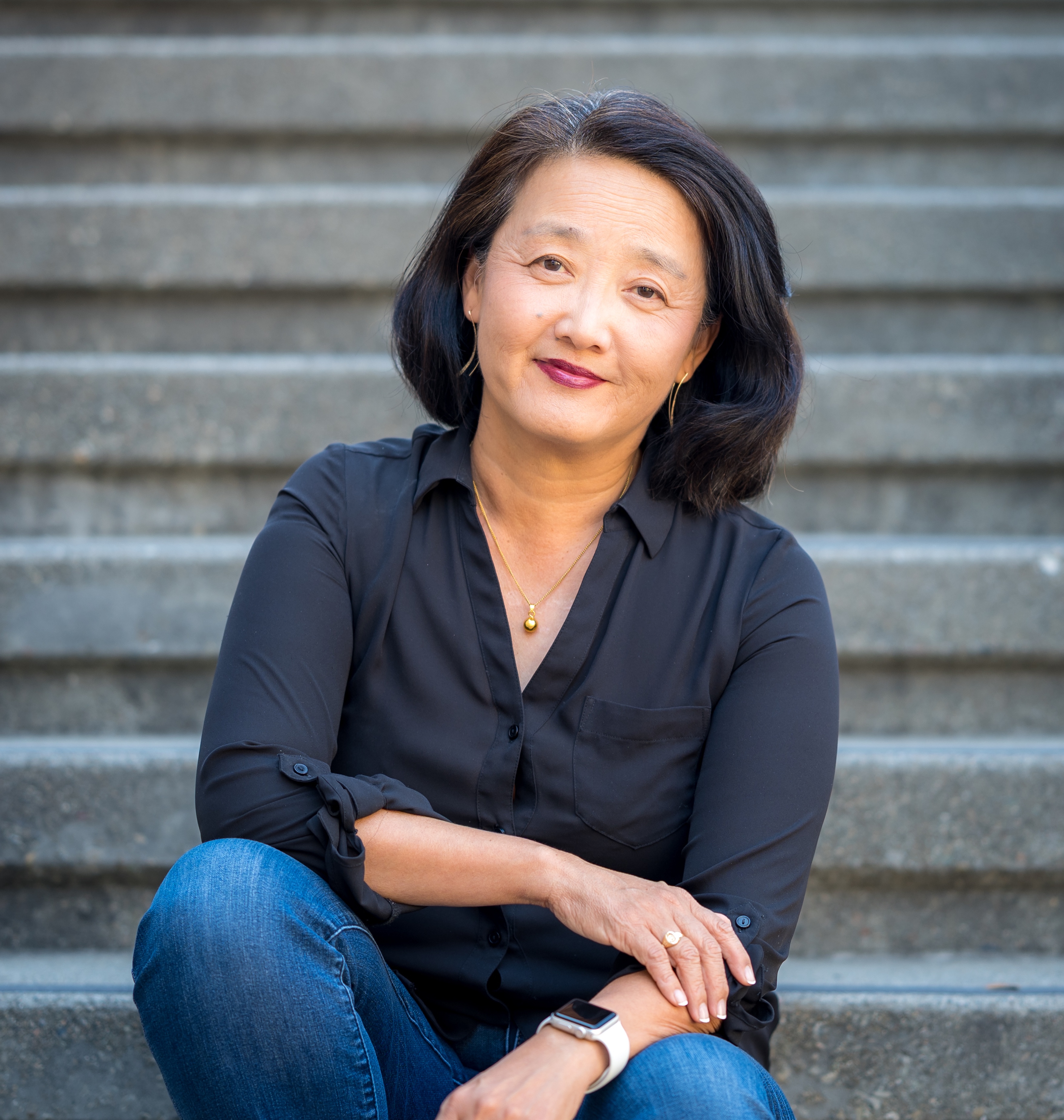
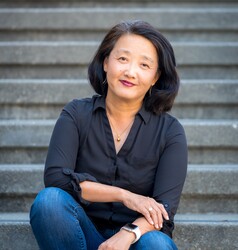
Courtesy of the Author
Bora Lee Reed was born in Seoul, South Korea, and immigrated to the US as a young child. She grew up in Southern California among a vibrant Korean immigrant community. She holds an MFA from Warren Wilson College and has been awarded residences from Hedgebrook, Ragdale, and Ucross. Bora now lives in Berkeley, CA, where she works as the director of communications for UC Berkeley’s public policy school.
Product Details
- Publisher: 37 Ink (July 21, 2026)
- Length: 320 pages
- ISBN13: 9781668096321
Browse Related Books
Raves and Reviews
"A sweeping, historical tale. A brilliant meditation on family, friendship and the power of the human spirit."—Irenosen Okojie MBE, author of Nudibranch
"A moving novel about storytelling and family that shows historic conflict and change on an intimate scale."—Gurnaik Johal, author of Saraswati
"Conjures a whole world with such lightness of touch. I cared deeply for these characters and wept when it was time to say goodbye."—Ruth Gilligan, author of The Butchers
"An astonishing debut, huge in its scale and evocation of an unsung history"—Luke Kennard, author of The Transition
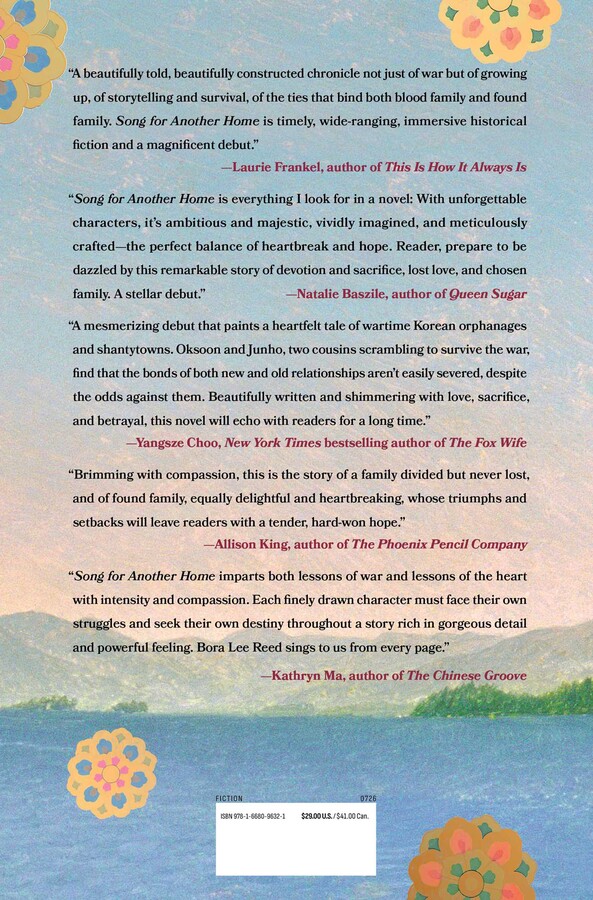
"Brimming with compassion, Song for Another Home is the story of a family divided but never lost, found family equally delightful and heartbreaking, whose triumphs and setbacks will leave readers with a tender, hard-won hope."—Allison King, author of The Phoenix Pencil Company
"A beautifully told, beautifully constructed chronicle not just of war, but of growing up, of storytelling and survival, of the ties that bind both blood family and found family. Song For Another Home is timely, wide-ranging, immersive historical fiction and a magnificent debut." —Laurie Frankel, author of This is How It Always Is
"Song for Another Home imparts both lessons of war and lessons of the heart with intensity and compassion. Each finely-drawn character must face their own struggles and seek their own destiny throughout a story rich in gorgeous detail and powerful feeling. Bora Lee Reed sings to us from every page."—Kathryn Ma, author of The Chinese Groove
"Unflinching in its portrayal of a broken world, Bora Lee Reed’s Song for Another Home will break your heart and put it back together again, often on the same page." —Gene Luen Yang, author of American Born Chinese
"SONG FOR ANOTHER HOME is a mesmerizing debut that paints a heartfelt tale of wartime Korean orphanages and shanty towns. Oksoon and Junho, two cousins scrabbling to survive different wartime realities, find that the bonds of both new and old relationships aren't easily severed, despite the odds against them. Beautifully written and shimmering with love, sacrifice, and betrayal, this is a novel that will echo with readers for a long time." —Yangsze Choo, New York Times bestseller of The Fox Wife
"Bora Reed's Song for Another Home is everything I look for in a novel: ambitious and majestic, unforgettable characters, vividly imagined and meticulously crafted, the perfect balance of heartbreak and hope. Reader, prepare to be dazzled by this remarkable story of devotion and sacrifice, lost love and chosen family. A stellar debut from an author whose time is long overdue."—Natalie Baszile, author of Queen Sugar
"A beautiful novel that conjures a whole world – a whole history – with such lightness of touch. I cared deeply for these characters and wept when it was time to say goodbye"—Ruth Gilligan, author of The Butchers
"A moving novel, huge in its scale and evocation of an unsung history, but also perfect in the minutiae that make every gesture feel so present and real. An astonishing debut"—Luke Kennard, author of The Transition
Resources and Downloads
High Resolution Images
-
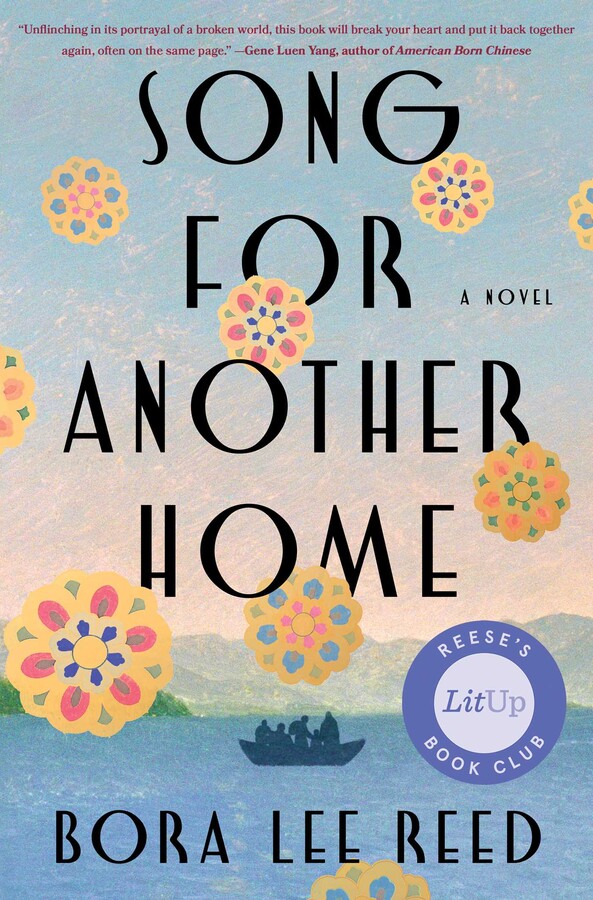
Book Cover Image (jpg): Song for Another Home
Hardcover 9781668096321
-
Author Photo (jpg): Bora Lee Reed Courtesy of the Author(0.1 MB)
Any use of an author photo must include its respective photo credit
Join our mailing list!
By clicking 'Sign me up' I acknowledge that I have read and agree to the privacy policy and terms of use.