

Get our latest staff recommendations, award news and digital catalog links right to your inbox.
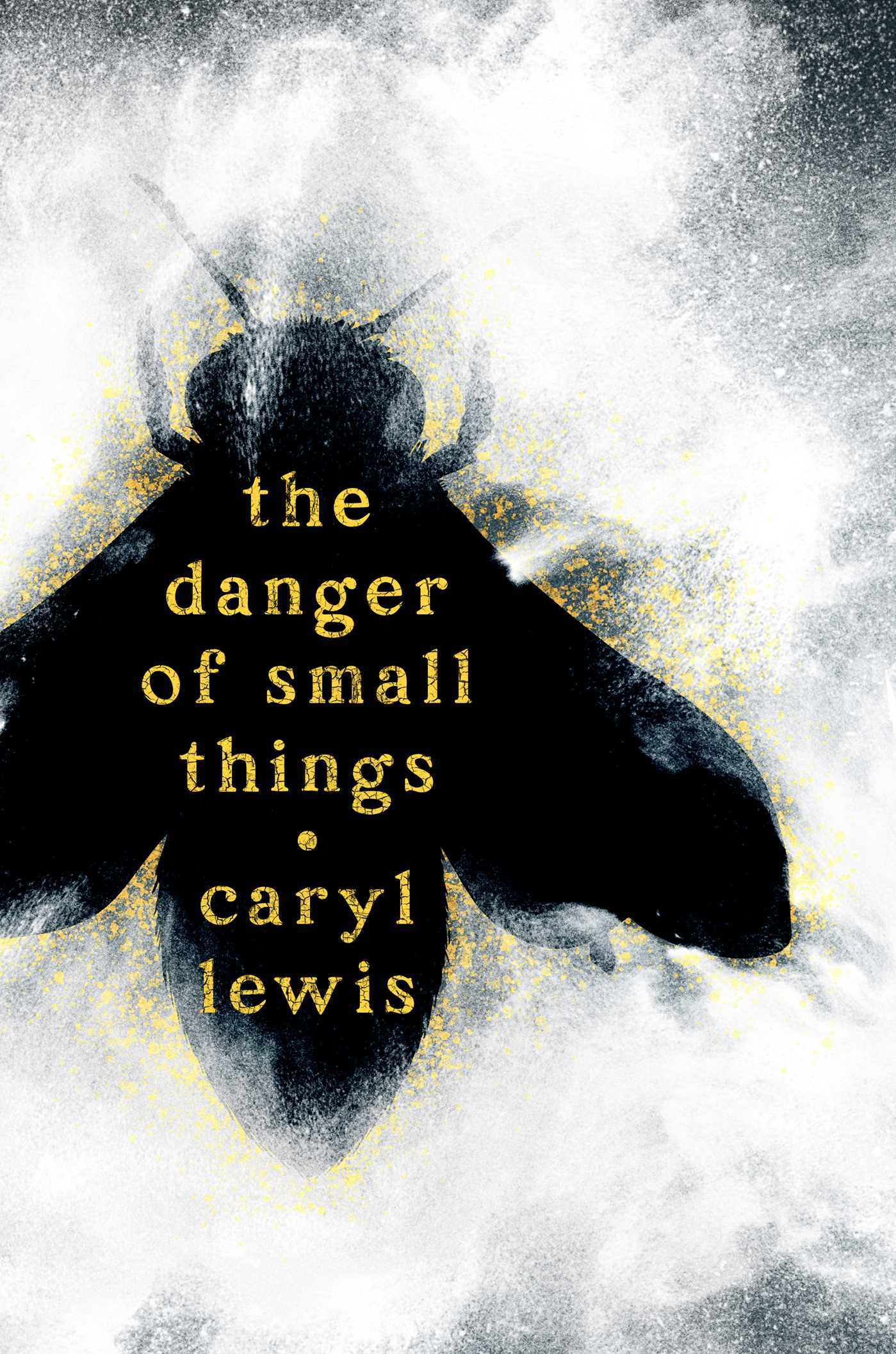
The Danger of Small Things
By Caryl Lewis
Table of Contents
About The Book
Two starred reviews!
A teen uses her art to protest injustice and galvanize others to resist in this “suspenseful…lyrical” (Kirkus Reviews, starred review) near-future dystopian novel about girls finding their voices in the darkest of times, perfect for fans of The Grace Year.
The whole world rested on a single bee’s wings…until that last honeybee died, and the balance of the universe tipped. Now, famine and war rage across the land. People are no longer allowed to read or create art. They are forbidden to believe in the existence of love.
Like every other girl, Jess has been taken from her home to live in a government dormitory, where they are forced to pollinate crops by hand with brushes. But unlike the others, Jess knows how to read and paint—and she knows that brushes aren’t meant for pollinating.
Jess is her mother’s daughter, with a strong streak of rebellion that even the harshest punishment can’t stamp out. She knows there is something horribly wrong with this system built on the hard labor of young girls, a system that forces them to marry and have children as soon as they are able. With smuggled paints and brush in hand, can Jess inspire a revolution?
A teen uses her art to protest injustice and galvanize others to resist in this “suspenseful…lyrical” (Kirkus Reviews, starred review) near-future dystopian novel about girls finding their voices in the darkest of times, perfect for fans of The Grace Year.
The whole world rested on a single bee’s wings…until that last honeybee died, and the balance of the universe tipped. Now, famine and war rage across the land. People are no longer allowed to read or create art. They are forbidden to believe in the existence of love.
Like every other girl, Jess has been taken from her home to live in a government dormitory, where they are forced to pollinate crops by hand with brushes. But unlike the others, Jess knows how to read and paint—and she knows that brushes aren’t meant for pollinating.
Jess is her mother’s daughter, with a strong streak of rebellion that even the harshest punishment can’t stamp out. She knows there is something horribly wrong with this system built on the hard labor of young girls, a system that forces them to marry and have children as soon as they are able. With smuggled paints and brush in hand, can Jess inspire a revolution?
Excerpt
Chapter 1 1.
The world ended years before anyone realized it had, in complete silence. I can’t stop thinking about it, about when and where it might’ve happened; whether it happened in the folds of a flower in someone’s back garden, or in a concrete carpark, or at the side of a city street on a gray morning as people bustled past, heads down to catch their train? No one was listening, but that day a hum left the world, a noise that no one had noticed was there until it was long gone, leaving behind a terrifying, sterile silence. And I still can’t believe that no one frowned, no one turned their head and noticed the absence of something. The truth is that the whole world rested on a single bee’s wings. The whole world. The mists over the greatest forests, old people walking hand in hand, countries, oceans, storms, languages, children, cities, freedoms, and dreams. Everything. Everything rested on those translucent wings. They were fragile as stained glass, and they carried the weight of the world—until we shattered them.
Cass says I’ll get punished if they hear me talking about it. She always flicks her red plait over her shoulder, crosses her arms, and tells me that it cannot be undone, that you cannot piece a bee’s wings back together again, so why do I torture myself? And I try not to, it’s just that every night after everyone falls into bed exhausted, I wake up a few hours later, my body taut and strung out on this thin mattress. I look up at the bottom of Cass’s bunk—at the slats that look like train tracks—and these thoughts just will not stop coming and coming and my breathing gets all shallow like I can’t get enough oxygen out of the air and all I can think about is how those broken wings collapsed a hive and how in that moment the balance of the universe tipped.
I listen as Cass turns over in her bunk, tune in to her breathing, and try to match my breaths to hers. Breathe in, breathe out, swallow down the panic. I look at the strand of hair that’s falling in a curve off the side of her bed, set free from the day’s tight plaits. Although I can’t see her face, I know her skin is damp from sweat, her freckled cheeks sunburned under her eyes, the fan on the ceiling seemingly just moving heat around the bunkhouse. And for a moment, I can almost imagine that we are safe. It’s just a bunk, a striped mattress, and a lock of Cass’s hair in the darkness.
They said it was frightening how quickly it happened. News banners scrolling across screens saying that crops were failing and experts talking about it, their faces tense, explaining how only crops pollinated by wind would survive. Before long, certain foods became scarce, and within decades, you couldn’t really go outside in summer and the rains just would not come. And then in desperation, people plundered the sea for food, and the wars started and the famines, and the borders closed, and communications broke down, and everything fell to pieces. Eventually everyone was given identity papers, girls weren’t allowed outside anymore, and boys had to learn to fight.
Mum hid us as long as she could, longer than she should have. Every Monday morning she’d go to the ration line in the city center. Shey would wrap his arms around her and tell her to be careful out there and then I’d go and distract myself by sitting by the window, studying the sky as it moved from watery blue to a sickly sallow color as the day exhausted itself. She’d gotten someone she knew to fudge our dates of birth on the documents and she had to stand in line for hours, a knife in the back waistband of her old jeans in case she ran into trouble. When she got home, we’d share whatever she’d been able to get. Bread, usually, and pasta; there hadn’t been milk or meat for months. Shey was growing so fast, and Mum would stop eating halfway through her food, saying she wasn’t hungry anymore, and would push her plate toward Shey even though I could see that she was swallowing her own spit, trying to trick her brain into thinking that she was full.
I’d ask her what it was like before the collapse, but she said she didn’t remember, only what her parents told her, and I’d make her tell me those stories over and over so I could kind of push out the edges of the world, and when we were old enough, she taught us to read, like her parents had taught her. You had to hide books or they’d be taken away and burned by the militia— they were trying to stop people from thinking too much. We must have read the ones hidden in the house a thousand times before Ruth next door gave us some more. Ruth was really old, much too old to work, so they’d cut back her rations to the minimum, and she was on her own. Mum would help her out, and in return she got these books.
The best one was an encyclopedia. Mum ripped the pages out of it and pasted them all around the inside walls of the house. Pictures of oceans and forests and these animals that I just couldn’t imagine used to be real. These things called chame leons that could change color and these blue butterflies that could cross the whole earth. And sometimes by flashlight, she’d make shadows on the walls with her hands and tell us stories of hummingbirds, which had iridescent green wings, and these things called coral reefs, which were teeming with fish of every size and color, and these wavy, frondy underwater forests. We’d lie on the bed, all three of us, looking up at the pictures in the dark, and sometimes she’d be trying to tell us something about how angry she was when the camps were set up and the military took over and she’d just cry, and Shey would get upset and look away, and I’d wrap my arms around her middle, and I could feel her mood shift from this warm marigold orange to this emptied- out muddy green.
Most girls were brought here at eleven. I got thirteen years with Mum and Shey. That’s more than anyone else in this place got. Seven hundred and thirty days more, to be precise.
I remember asking her, though. Mum. Why. Why didn’t they do anything? Before that last bee died, before the seasons changed, and she’d just shrug. Say that perhaps people thought that the world would end in a cacophony. That something momentous would happen like the moon becoming untethered from Earth, or a bomb dropping, filling the world with screaming. I suppose they couldn’t see the danger in small things. They thought that whispers could be ignored. They couldn’t see that a thread could unravel a tapestry, or that a single bee could destroy the world.
The world ended years before anyone realized it had, in complete silence. I can’t stop thinking about it, about when and where it might’ve happened; whether it happened in the folds of a flower in someone’s back garden, or in a concrete carpark, or at the side of a city street on a gray morning as people bustled past, heads down to catch their train? No one was listening, but that day a hum left the world, a noise that no one had noticed was there until it was long gone, leaving behind a terrifying, sterile silence. And I still can’t believe that no one frowned, no one turned their head and noticed the absence of something. The truth is that the whole world rested on a single bee’s wings. The whole world. The mists over the greatest forests, old people walking hand in hand, countries, oceans, storms, languages, children, cities, freedoms, and dreams. Everything. Everything rested on those translucent wings. They were fragile as stained glass, and they carried the weight of the world—until we shattered them.
Cass says I’ll get punished if they hear me talking about it. She always flicks her red plait over her shoulder, crosses her arms, and tells me that it cannot be undone, that you cannot piece a bee’s wings back together again, so why do I torture myself? And I try not to, it’s just that every night after everyone falls into bed exhausted, I wake up a few hours later, my body taut and strung out on this thin mattress. I look up at the bottom of Cass’s bunk—at the slats that look like train tracks—and these thoughts just will not stop coming and coming and my breathing gets all shallow like I can’t get enough oxygen out of the air and all I can think about is how those broken wings collapsed a hive and how in that moment the balance of the universe tipped.
I listen as Cass turns over in her bunk, tune in to her breathing, and try to match my breaths to hers. Breathe in, breathe out, swallow down the panic. I look at the strand of hair that’s falling in a curve off the side of her bed, set free from the day’s tight plaits. Although I can’t see her face, I know her skin is damp from sweat, her freckled cheeks sunburned under her eyes, the fan on the ceiling seemingly just moving heat around the bunkhouse. And for a moment, I can almost imagine that we are safe. It’s just a bunk, a striped mattress, and a lock of Cass’s hair in the darkness.
They said it was frightening how quickly it happened. News banners scrolling across screens saying that crops were failing and experts talking about it, their faces tense, explaining how only crops pollinated by wind would survive. Before long, certain foods became scarce, and within decades, you couldn’t really go outside in summer and the rains just would not come. And then in desperation, people plundered the sea for food, and the wars started and the famines, and the borders closed, and communications broke down, and everything fell to pieces. Eventually everyone was given identity papers, girls weren’t allowed outside anymore, and boys had to learn to fight.
Mum hid us as long as she could, longer than she should have. Every Monday morning she’d go to the ration line in the city center. Shey would wrap his arms around her and tell her to be careful out there and then I’d go and distract myself by sitting by the window, studying the sky as it moved from watery blue to a sickly sallow color as the day exhausted itself. She’d gotten someone she knew to fudge our dates of birth on the documents and she had to stand in line for hours, a knife in the back waistband of her old jeans in case she ran into trouble. When she got home, we’d share whatever she’d been able to get. Bread, usually, and pasta; there hadn’t been milk or meat for months. Shey was growing so fast, and Mum would stop eating halfway through her food, saying she wasn’t hungry anymore, and would push her plate toward Shey even though I could see that she was swallowing her own spit, trying to trick her brain into thinking that she was full.
I’d ask her what it was like before the collapse, but she said she didn’t remember, only what her parents told her, and I’d make her tell me those stories over and over so I could kind of push out the edges of the world, and when we were old enough, she taught us to read, like her parents had taught her. You had to hide books or they’d be taken away and burned by the militia— they were trying to stop people from thinking too much. We must have read the ones hidden in the house a thousand times before Ruth next door gave us some more. Ruth was really old, much too old to work, so they’d cut back her rations to the minimum, and she was on her own. Mum would help her out, and in return she got these books.
The best one was an encyclopedia. Mum ripped the pages out of it and pasted them all around the inside walls of the house. Pictures of oceans and forests and these animals that I just couldn’t imagine used to be real. These things called chame leons that could change color and these blue butterflies that could cross the whole earth. And sometimes by flashlight, she’d make shadows on the walls with her hands and tell us stories of hummingbirds, which had iridescent green wings, and these things called coral reefs, which were teeming with fish of every size and color, and these wavy, frondy underwater forests. We’d lie on the bed, all three of us, looking up at the pictures in the dark, and sometimes she’d be trying to tell us something about how angry she was when the camps were set up and the military took over and she’d just cry, and Shey would get upset and look away, and I’d wrap my arms around her middle, and I could feel her mood shift from this warm marigold orange to this emptied- out muddy green.
Most girls were brought here at eleven. I got thirteen years with Mum and Shey. That’s more than anyone else in this place got. Seven hundred and thirty days more, to be precise.
I remember asking her, though. Mum. Why. Why didn’t they do anything? Before that last bee died, before the seasons changed, and she’d just shrug. Say that perhaps people thought that the world would end in a cacophony. That something momentous would happen like the moon becoming untethered from Earth, or a bomb dropping, filling the world with screaming. I suppose they couldn’t see the danger in small things. They thought that whispers could be ignored. They couldn’t see that a thread could unravel a tapestry, or that a single bee could destroy the world.
Reading Group Guide
Join our mailing list! Get our latest staff recommendations, award news and digital catalog links right to your inbox.
By clicking 'Sign me up' I acknowledge that I have read and agree to the privacy policy and terms of use.
Reading Group Guide
The Danger of Small Things
By Caryl Lewis
About This Book
In a dystopian near-future version of our world, the bees have died out. Without bees, the world descended into chaos. Then the people in power began to bring order to the chaos, but at what cost? Under the new regime, children are not allowed to grow up with their families. Instead, boys become soldiers, and girls are locked up and forced to hand-pollinate crops with small brushes until they reach child-bearing age, at which time they are married off. Things like love and art and free thought are not allowed, as these would rile up the populace and make them harder to control.
In the work camps, there is no room for friendship, caring, or kindness—just calculation, strategy, and survival. Until protagonist Jess begins to open herself up to the possibility of more . . . the possibility of being able to trust someone besides Cass. When one of these new friends gives five tubes of forbidden paint to Jess, she knows what she has to do. She paints a picture that evokes freedom, scares those in charge, and allows the girls to believe in something more. But will Jess be able to use this momentum to create real change, or will those in control crush her spirit for good?
Discussion Questions
1. Why do you think the book is called The Danger of Small Things? Is it referring to more than one thing? What is dangerous about these small things?
2. Why do they call the women who look after the girls “Mother”? What do they do for the girls in the camp that is motherly? How do their actions compare to Jess’s real mother?
3. What makes Charmian act so cruelly toward Jess? Does she bully other girls? Why isn’t she punished for her behavior?
4. Looking back on her first day in the dormitory, Jess says that she finds being in the trees peaceful, and that she thought she could be happy pollinating crops. Until she “understood that this was to be my life until I myself could bear fruit, have a baby, and that my life and my body were no longer my own.” (Chapter two) In what ways are the girls’ lives and bodies no longer theirs? Is there anything they do have control over? Explain your answer.
5. Jess describes Father Renatus as “the kind of man who looks for power in the softest places.” (Chapter three) What does she mean by this? How did he get his position at the dormitories? What kind of man does he prove to be?
6. Why is Jess so disturbed when she finds out what the girls’ brushes are made of? What does the use of this hair represent to her?
7. How does Jess feel when Eliot gives her the paints? What does she think about while she’s trying to decide what to do with them? Why does Eliot risk so much to give the paints to her?
8. When Jess realizes that Cass’s nighttime humming calms the other girls and helps them sleep, she thinks, “Perhaps they were sung to too? And if they weren’t, maybe their mothers were, or their mother’s mothers were, and there’s a memory somewhere in their minds or their hearts or their DNA.” (Chapter ten) What do you think about this theory? Are there other skills or behaviors that might be part of the girls’ generational memory? Do you think that General Porter and the other people in charge think the girls have any inherited skills or behaviors? Explain.
9. What does Jess paint the first time she sneaks out of the dormitories? Why do you think she chooses this image? How do the other girls react to it? How is this different from how Father Renatus and the mothers react?
10. How did Jess’s dad try to solve the problems he saw in the world? How does that differ from how Jess fights the wrongs? Which method is more effective, and why? How do you fight back against what you feel is wrong?
11. Why is Cass and Deva’s relationship forbidden? Why is Deva taken away while Cass is allowed to stay? Why does Emily decide to turn the girls in after going through the trouble of warning Jess about the gossip?
12. What makes Jess refuse to take the apple? How does it inspire the other girls? What price do they pay for refusing this gift?
13. When Jess says that Cass thinks the best of people, Cass replies “‘I hope for the best, there’s a big difference.’” (Chapter eighteen) What is this difference? How does Cass’s hope affect how she relates to the other girls? To her situation?
14. How did Jess learn to draw people? Why were the methods in the book difficult for her to master? Do the methods she uses to draw help her relate to people better? How so?
15. How does knowing about the past help Jess in the present? How does her knowledge help or hinder the other girls?
16. What does Jess’s second painting inspire in the girls? After giving it so much thought, why does Jess choose this image? Which of her paintings do you think the girls like better, and why?
17. How does Father Renatus deal with the information from Emily? Why doesn’t she tell him that Jess was the painter?
18. What price does each girl pay for their rebellion? How does each decide what their freedom is worth? Is there anything that is too precious for them to lose?
19. How is Eliot different from the other guards? Why does Jess decide to trust him?
20. Why does Jess forgive Emily? Why does she forgive Charmian? Is there anyone or anything that she can’t forgive?
Extension Activities
1. In our society, we are exposed to art in many ways—museums, hotels, at the dentist’s office, at home, etc. But in this story, art is banned, so most of the girls are seeing a painting for the first time. Choose a famous work of art, one of your favorites or one that you have seen in person, and look at it as though it is the first time you have ever seen it. Write an essay or a poem about what it makes you think and how it makes you feel.
2. Bees are dying off in large numbers. Using trusted internet and library resources, research what you and your community can do to help the bees thrive. In small groups, create a visual using facts and information from your research to present different helpful solutions to the class, and take a vote on the most viable plan. If possible, consider working with a natural sciences class or teacher to help put that plan into action at an appropriate time of the year.
3. At one point in the story, Cass and Jess are moved by songs that the other girls are singing in other languages, even though they do not understand the words. Find a recording of a song in a language you don’t speak, and feel the emotions behind the tune. Write a story about what you think could be happening in the song, based on how it makes you feel.
4. Jess references The Little Prince by Antoine de Saint-Exupéry several times. Read this book and compare it to The Danger of Small Things. Discuss the similarities and differences between the two books.
5. Choose a current social issue that you feel strongly about, and create a visual work of art that embodies your thoughts and feelings on it. Paint, sculpt, create a collage, etc.
6. What do you think happens to Jess and her friends after the book ends? Write a short story that follows one or more characters and imagines how their lives continue.
Guide written by Cory Grimminck, Director of the Portland District Library in Michigan.
This guide has been provided by Simon & Schuster for classroom, library, and reading group use. It may be reproduced in its entirety or excerpted for these purposes. For more Simon & Schuster guides and classroom materials, please visit simonandschuster.net/ m/prek12-teachers-librarians/teaching-resources
The Danger of Small Things
By Caryl Lewis
About This Book
In a dystopian near-future version of our world, the bees have died out. Without bees, the world descended into chaos. Then the people in power began to bring order to the chaos, but at what cost? Under the new regime, children are not allowed to grow up with their families. Instead, boys become soldiers, and girls are locked up and forced to hand-pollinate crops with small brushes until they reach child-bearing age, at which time they are married off. Things like love and art and free thought are not allowed, as these would rile up the populace and make them harder to control.
In the work camps, there is no room for friendship, caring, or kindness—just calculation, strategy, and survival. Until protagonist Jess begins to open herself up to the possibility of more . . . the possibility of being able to trust someone besides Cass. When one of these new friends gives five tubes of forbidden paint to Jess, she knows what she has to do. She paints a picture that evokes freedom, scares those in charge, and allows the girls to believe in something more. But will Jess be able to use this momentum to create real change, or will those in control crush her spirit for good?
Discussion Questions
1. Why do you think the book is called The Danger of Small Things? Is it referring to more than one thing? What is dangerous about these small things?
2. Why do they call the women who look after the girls “Mother”? What do they do for the girls in the camp that is motherly? How do their actions compare to Jess’s real mother?
3. What makes Charmian act so cruelly toward Jess? Does she bully other girls? Why isn’t she punished for her behavior?
4. Looking back on her first day in the dormitory, Jess says that she finds being in the trees peaceful, and that she thought she could be happy pollinating crops. Until she “understood that this was to be my life until I myself could bear fruit, have a baby, and that my life and my body were no longer my own.” (Chapter two) In what ways are the girls’ lives and bodies no longer theirs? Is there anything they do have control over? Explain your answer.
5. Jess describes Father Renatus as “the kind of man who looks for power in the softest places.” (Chapter three) What does she mean by this? How did he get his position at the dormitories? What kind of man does he prove to be?
6. Why is Jess so disturbed when she finds out what the girls’ brushes are made of? What does the use of this hair represent to her?
7. How does Jess feel when Eliot gives her the paints? What does she think about while she’s trying to decide what to do with them? Why does Eliot risk so much to give the paints to her?
8. When Jess realizes that Cass’s nighttime humming calms the other girls and helps them sleep, she thinks, “Perhaps they were sung to too? And if they weren’t, maybe their mothers were, or their mother’s mothers were, and there’s a memory somewhere in their minds or their hearts or their DNA.” (Chapter ten) What do you think about this theory? Are there other skills or behaviors that might be part of the girls’ generational memory? Do you think that General Porter and the other people in charge think the girls have any inherited skills or behaviors? Explain.
9. What does Jess paint the first time she sneaks out of the dormitories? Why do you think she chooses this image? How do the other girls react to it? How is this different from how Father Renatus and the mothers react?
10. How did Jess’s dad try to solve the problems he saw in the world? How does that differ from how Jess fights the wrongs? Which method is more effective, and why? How do you fight back against what you feel is wrong?
11. Why is Cass and Deva’s relationship forbidden? Why is Deva taken away while Cass is allowed to stay? Why does Emily decide to turn the girls in after going through the trouble of warning Jess about the gossip?
12. What makes Jess refuse to take the apple? How does it inspire the other girls? What price do they pay for refusing this gift?
13. When Jess says that Cass thinks the best of people, Cass replies “‘I hope for the best, there’s a big difference.’” (Chapter eighteen) What is this difference? How does Cass’s hope affect how she relates to the other girls? To her situation?
14. How did Jess learn to draw people? Why were the methods in the book difficult for her to master? Do the methods she uses to draw help her relate to people better? How so?
15. How does knowing about the past help Jess in the present? How does her knowledge help or hinder the other girls?
16. What does Jess’s second painting inspire in the girls? After giving it so much thought, why does Jess choose this image? Which of her paintings do you think the girls like better, and why?
17. How does Father Renatus deal with the information from Emily? Why doesn’t she tell him that Jess was the painter?
18. What price does each girl pay for their rebellion? How does each decide what their freedom is worth? Is there anything that is too precious for them to lose?
19. How is Eliot different from the other guards? Why does Jess decide to trust him?
20. Why does Jess forgive Emily? Why does she forgive Charmian? Is there anyone or anything that she can’t forgive?
Extension Activities
1. In our society, we are exposed to art in many ways—museums, hotels, at the dentist’s office, at home, etc. But in this story, art is banned, so most of the girls are seeing a painting for the first time. Choose a famous work of art, one of your favorites or one that you have seen in person, and look at it as though it is the first time you have ever seen it. Write an essay or a poem about what it makes you think and how it makes you feel.
2. Bees are dying off in large numbers. Using trusted internet and library resources, research what you and your community can do to help the bees thrive. In small groups, create a visual using facts and information from your research to present different helpful solutions to the class, and take a vote on the most viable plan. If possible, consider working with a natural sciences class or teacher to help put that plan into action at an appropriate time of the year.
3. At one point in the story, Cass and Jess are moved by songs that the other girls are singing in other languages, even though they do not understand the words. Find a recording of a song in a language you don’t speak, and feel the emotions behind the tune. Write a story about what you think could be happening in the song, based on how it makes you feel.
4. Jess references The Little Prince by Antoine de Saint-Exupéry several times. Read this book and compare it to The Danger of Small Things. Discuss the similarities and differences between the two books.
5. Choose a current social issue that you feel strongly about, and create a visual work of art that embodies your thoughts and feelings on it. Paint, sculpt, create a collage, etc.
6. What do you think happens to Jess and her friends after the book ends? Write a short story that follows one or more characters and imagines how their lives continue.
Guide written by Cory Grimminck, Director of the Portland District Library in Michigan.
This guide has been provided by Simon & Schuster for classroom, library, and reading group use. It may be reproduced in its entirety or excerpted for these purposes. For more Simon & Schuster guides and classroom materials, please visit simonandschuster.net/ m/prek12-teachers-librarians/teaching-resources
About The Author
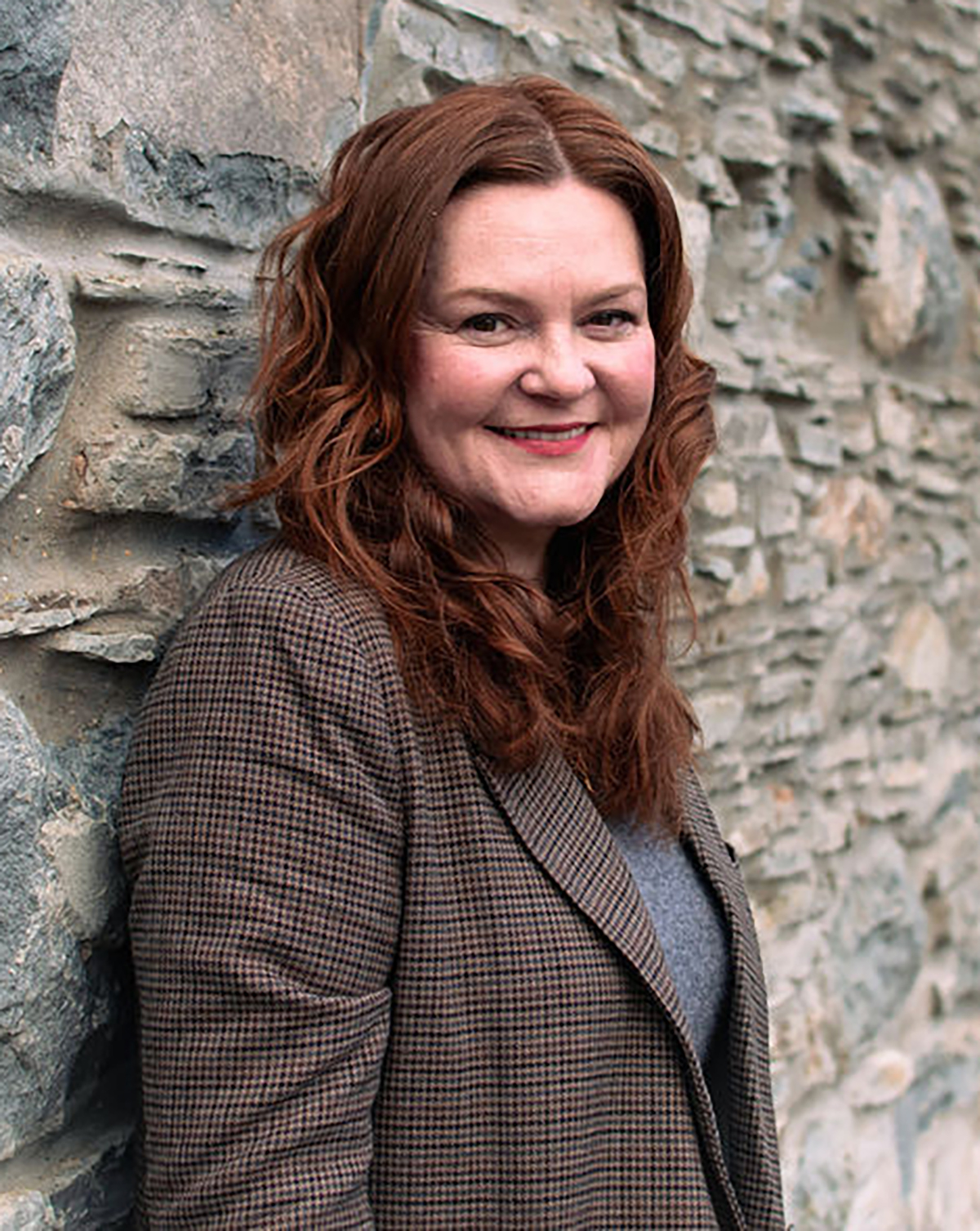
Photograph by Naomi Campbell
Caryl Lewis is an award-winning Welsh novelist, children’s writer, playwright, and screenwriter. Her breakthrough novel, Martha, Jac a Sianco, is widely regarded as a modern classic of Welsh literature and sits on the Welsh curriculum. The film adaptation (with a screenplay by Caryl) won six Welsh BAFTAs and the Spirit of the Festival Award at the Celtic Media Festival. Caryl’s other screenwriting work includes BBC/S4C thrillers Hinterland and Hidden, and she’s also the author of The Danger of Small Things. She is a visiting lecturer in creative writing at Cardiff University and lives with her family on a farm near Aberystwyth.
Product Details
- Publisher: Atheneum Books for Young Readers (March 24, 2026)
- Length: 272 pages
- ISBN13: 9781665977517
- Grades: 7 and up
- Ages: 12 - 99
Browse Related Books
Raves and Reviews
* “Jess’s first-person narration teems with rich, metaphorical imagery . . . . Art emerges as a powerful agent for change and emotional restoration, and shocking reveals add to the suspense. . . . A suspenseful storyline and lyrical narrative voice make this a standout.”
– Kirkus Reviews, STARRED REVIEW
* “A darkly beautiful YA dystopian novel . . . Lewis has crafted an arresting depiction of the power of art to expose injustice and inspire change. . . . Fans of Margaret Atwood's feminist speculative fiction and of acutely sensory prose like Tahereh Mafi's will likely appreciate this expressive, rebellious novel.”
– Shelf Awareness, STARRED REVIEW
“Lewis’s prose is clear and lyrical, rich in metaphor without obscuring the narrative. The pacing is deliberate and the tension, cumulative. While it recalls Atwood’s adult novel The Handmaid’s Tale in its focus on reproductive control, this novel for a younger audience distinguishes itself through its particular emphasis on art and literacy as tools of survival and change. Powerfully restrained and unsettling.”
– Horn Book
“[M]uch of the society in which Jess lives feels like an unsettling extension of current trends, an environmental excuse to strip away all body autonomy from teen girls, ban education and artistic pursuits, and further sharpen divisions of power. The fact that a teen artist with a rebellious streak may be the best hope around is inspiring . . . readers may be left feeling tentatively hopeful by the ending, and a powerful author’s note calls on teens to pursue environmental changes where possible and to embrace imagination and art as small revolutionary acts in themselves.”
– The Bulletin of the Center for Children’s Books
“This story presents a social commentary of current times and considers the ability of art to provoke and inspire change. . . . A thoughtful and somber read reminiscent of Margaret Atwood’s The Handmaid’s Tale and Ray Bradbury’s Fahrenheit 451, with an environmental crisis backdrop and heavy with important issues.”
– School Library Journal
Awards and Honors
- Junior Library Guild Gold Standard Selection
Resources and Downloads
High Resolution Images
-
Book Cover Image (jpg): The Danger of Small Things
Hardcover 9781665977517
-
Author Photo (jpg): Caryl Lewis Photograph by Naomi Campbell(0.1 MB)
Any use of an author photo must include its respective photo credit
The Danger of Small Things
By Caryl Lewis
Join our mailing list!
By clicking 'Sign me up' I acknowledge that I have read and agree to the privacy policy and terms of use.