
Get our latest staff recommendations, award news and digital catalog links right to your inbox.
Table of Contents
About The Book
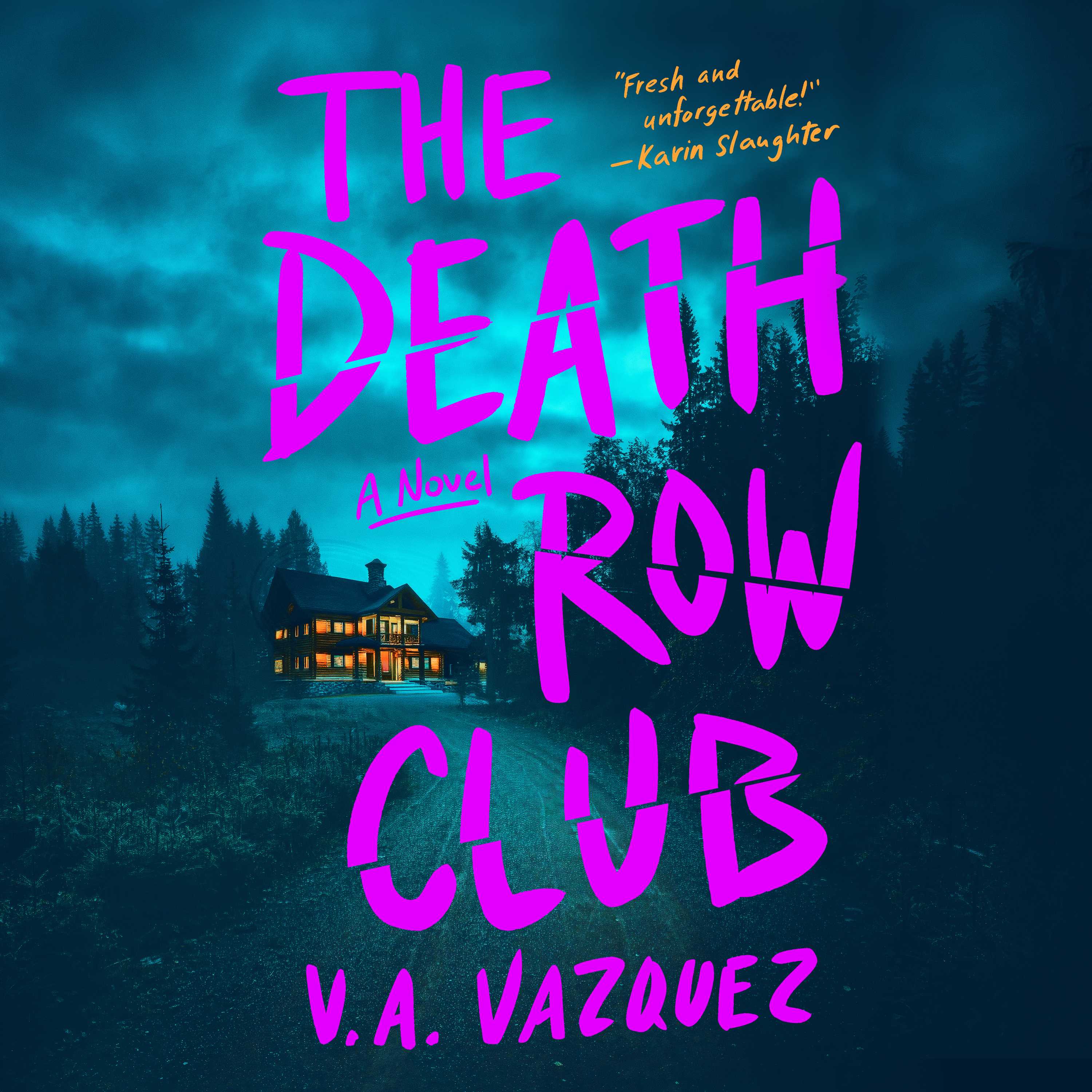
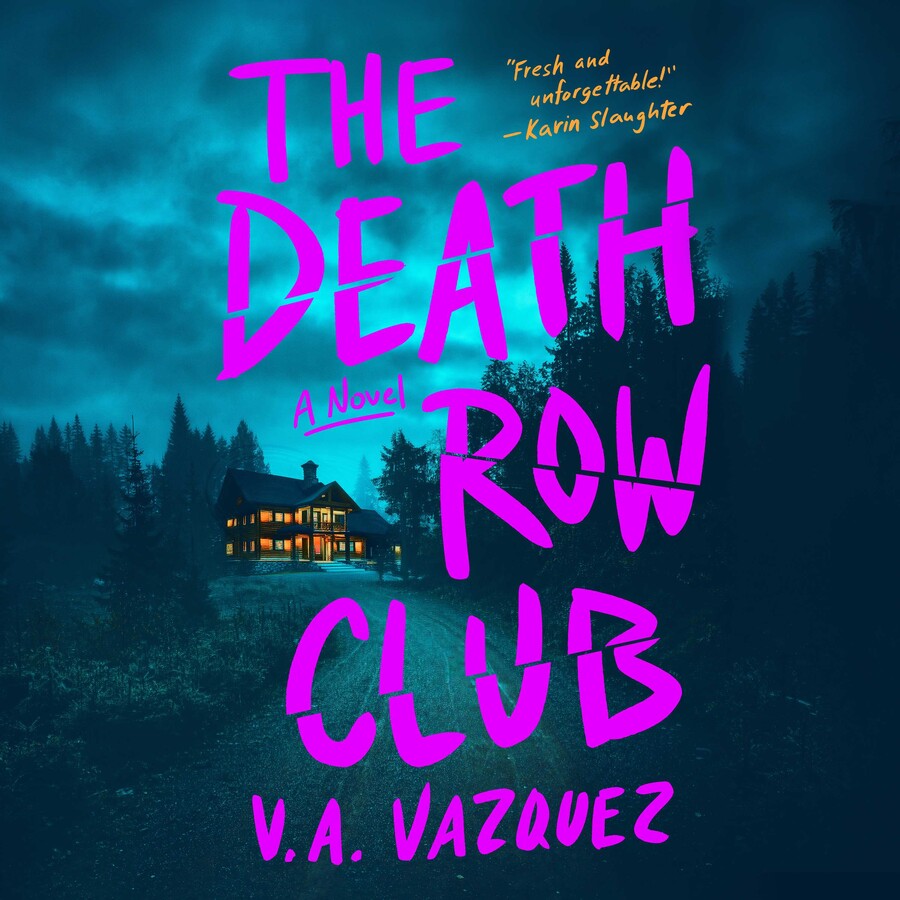
A dark, dazzlingly original psychological thriller about a woman invited to an annual weekend getaway for the adult children of serial killers...but when one of the participants ends up dead, they begin to wonder if someone among them might be carrying on the family traditions.
When Nicola Fischer’s father is arrested for the murder of five women—including her best friend—the entire world watches it unfold on To Catch a Killer, the hit true crime TV show hosted by Greer Woods. Overnight, Nicola becomes a pariah: fired from her job, drowning in debt, and shunned by everyone she knows. And to make matters worse, Greer—once a budding friend and fellow child of a serial killer—hasn’t returned a single call since the show aired.
Then comes an unexpected invitation to the Death Row Club, a secret retreat for the adult children of serial killers—founded by none other than Greer herself. Desperate for answers and human connection, Nicola agrees to go. At first, it seems like exactly what she needs. The club members are strange but welcoming, and Greer seems eager to mend their fractured friendship.
But when a mysterious girl arrives, claiming her father is a killer too, the club’s fragile peace is shattered, unraveling the buried secrets at its core. By morning, the girl has vanished. By afternoon, one of the club members is dead.
Now everyone is watching Nicola. After all, she’s the daughter of a monster. And monsters raise monsters...don’t they?
When Nicola Fischer’s father is arrested for the murder of five women—including her best friend—the entire world watches it unfold on To Catch a Killer, the hit true crime TV show hosted by Greer Woods. Overnight, Nicola becomes a pariah: fired from her job, drowning in debt, and shunned by everyone she knows. And to make matters worse, Greer—once a budding friend and fellow child of a serial killer—hasn’t returned a single call since the show aired.
Then comes an unexpected invitation to the Death Row Club, a secret retreat for the adult children of serial killers—founded by none other than Greer herself. Desperate for answers and human connection, Nicola agrees to go. At first, it seems like exactly what she needs. The club members are strange but welcoming, and Greer seems eager to mend their fractured friendship.
But when a mysterious girl arrives, claiming her father is a killer too, the club’s fragile peace is shattered, unraveling the buried secrets at its core. By morning, the girl has vanished. By afternoon, one of the club members is dead.
Now everyone is watching Nicola. After all, she’s the daughter of a monster. And monsters raise monsters...don’t they?
Appearances
AUG 8
12:00AM
In Person
Learn MoreFramingham Public Library
49 Lexington Street
Framingham, MA 01702
AUG 30
1:00PM
Act 4 Books
4 South Main Street
Perry, NY 14530
Reading Group Guide
Join our mailing list! Get our latest staff recommendations, award news and digital catalog links right to your inbox.
By clicking 'Sign me up' I acknowledge that I have read and agree to the privacy policy and terms of use.
THE DEATH ROW CLUB: READING GUIDE QUESTIONS
Many of the club members are shaped by their childhood experiences. Which character seems the most profoundly impacted by their parent’s crimes? What aspects of their personality or behavior led you to that conclusion?
At the beginning of the novel, Nicola is ostracized for her father’s crimes and her alleged involvement. Do you think the elementary school was justified in firing her? As a parent, would you feel comfortable having Nicola teach your child?
Greer upends Nicola’s life during the filming of her television show. What ethical responsibilities do you think production crews have to their subjects? Do you think Nicola should have forgiven Greer for her actions?
While most of the club members distance themselves from their parents, others—such as Greer and Zach—choose not to. If someone close to you were convicted of a serious crime, would you maintain a relationship with them or cut ties? How severe would the crime need to be for you to walk away?
The novel offers limited details about the crimes committed by the club members’ parents. Why do you think the author chose to withhold those specifics?
Ros keeps her past, specifically her serial killer father, a secret from her husband and children. Do you believe people have the right to keep parts of themselves hidden from those they love? Under what circumstances, if any, are they morally obligated to disclose the truth?
Kemy and Zach present opposing arguments about the death penalty. Whose position did you find more compelling? Did any character in the novel challenge or change your perspective on capital punishment?
Steffani chooses not to report her abductor to the police. Do you think this was the right decision, or did she have an obligation to come forward? To what extent, if any, is she accountable for the murders that followed?
Greer suggests that Ros has rewritten her childhood memories to include warning signs about her father. Where else in the novel do characters rewrite or reinterpret their pasts? Do you see this revision as protective, harmful, or something in between?
Greer and Nicola end the novel with what appears to be a happy future together. Do you believe their relationship is built to last, or do their personal histories suggest an inevitable breakup?
Many of the club members are shaped by their childhood experiences. Which character seems the most profoundly impacted by their parent’s crimes? What aspects of their personality or behavior led you to that conclusion?
At the beginning of the novel, Nicola is ostracized for her father’s crimes and her alleged involvement. Do you think the elementary school was justified in firing her? As a parent, would you feel comfortable having Nicola teach your child?
Greer upends Nicola’s life during the filming of her television show. What ethical responsibilities do you think production crews have to their subjects? Do you think Nicola should have forgiven Greer for her actions?
While most of the club members distance themselves from their parents, others—such as Greer and Zach—choose not to. If someone close to you were convicted of a serious crime, would you maintain a relationship with them or cut ties? How severe would the crime need to be for you to walk away?
The novel offers limited details about the crimes committed by the club members’ parents. Why do you think the author chose to withhold those specifics?
Ros keeps her past, specifically her serial killer father, a secret from her husband and children. Do you believe people have the right to keep parts of themselves hidden from those they love? Under what circumstances, if any, are they morally obligated to disclose the truth?
Kemy and Zach present opposing arguments about the death penalty. Whose position did you find more compelling? Did any character in the novel challenge or change your perspective on capital punishment?
Steffani chooses not to report her abductor to the police. Do you think this was the right decision, or did she have an obligation to come forward? To what extent, if any, is she accountable for the murders that followed?
Greer suggests that Ros has rewritten her childhood memories to include warning signs about her father. Where else in the novel do characters rewrite or reinterpret their pasts? Do you see this revision as protective, harmful, or something in between?
Greer and Nicola end the novel with what appears to be a happy future together. Do you believe their relationship is built to last, or do their personal histories suggest an inevitable breakup?
About The Author
Calvin Thomas
V. A. Vazquez was born and raised in Buffalo, New York, where she currently teaches English. She received her BA in English from Barnard College and used to live in Scotland in a town inhabited by more sheep than people.
About The Readers
Product Details
- Publisher: Simon & Schuster Audio (July 14, 2026)
- Runtime: 10 hours and 43 minutes
- ISBN13: 9781668152775
Browse Related Books
Resources and Downloads
High Resolution Images
-
Book Cover Image (jpg): The Death Row Club
Unabridged Audio Download 9781668152775
-
Author Photo (jpg): V. A. Vazquez Calvin Thomas(0.1 MB)
Any use of an author photo must include its respective photo credit
Join our mailing list!
By clicking 'Sign me up' I acknowledge that I have read and agree to the privacy policy and terms of use.