Get our latest staff recommendations, award news and digital catalog links right to your inbox.
Table of Contents
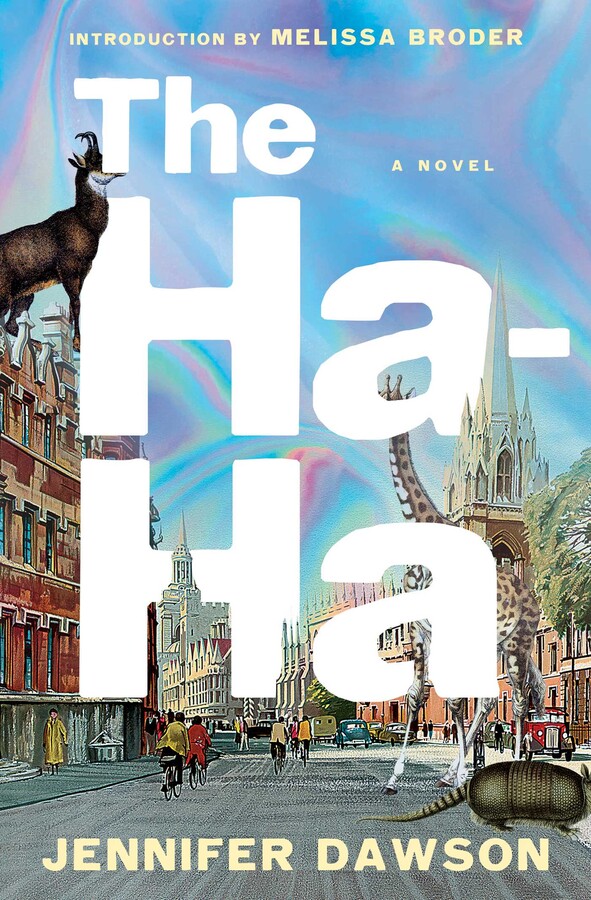
About The Book
A prizewinning, semi-autobiographical debut novel that explores a young woman’s struggle with mental illness at Oxford University in the 1950s—for readers of Ottessa Moshfegh, Melissa Broder, and Sally Rooney.
At a tea party at Oxford University in the 1950s, earnest undergraduates in floral dresses clink cups, discussing their studies, sports, and summer balls. But to one student, Josephine, they are grotesquely transformed: she is sitting among ominous armadillos. Then, the laughter comes. As she is engulfed in mirthless hysterics, her college has no choice but to send her away.
Since her mother’s death, Josephine’s reality seems a badly painted canvas, viewed through the wrong end of a telescope. It is a relief to find a sense of belonging, for once, within the mental institution where she is confined. But, eventually, she must reintegrate with society. Through a transformative encounter with a fellow patient, a return to real life seems possible.
Originally published in 1961, The Ha-Ha was met with critical acclaim and belongs on the shelf alongside Sylvia Plath’s The Bell Jar. Praised as “luminous” by The New York Times and “a singular, elegant novel” by The Guardian, and with a new introduction by Melissa Broder, The Ha-Ha offers a moving and timeless perspective on mental illness and coming of age.
At a tea party at Oxford University in the 1950s, earnest undergraduates in floral dresses clink cups, discussing their studies, sports, and summer balls. But to one student, Josephine, they are grotesquely transformed: she is sitting among ominous armadillos. Then, the laughter comes. As she is engulfed in mirthless hysterics, her college has no choice but to send her away.
Since her mother’s death, Josephine’s reality seems a badly painted canvas, viewed through the wrong end of a telescope. It is a relief to find a sense of belonging, for once, within the mental institution where she is confined. But, eventually, she must reintegrate with society. Through a transformative encounter with a fellow patient, a return to real life seems possible.
Originally published in 1961, The Ha-Ha was met with critical acclaim and belongs on the shelf alongside Sylvia Plath’s The Bell Jar. Praised as “luminous” by The New York Times and “a singular, elegant novel” by The Guardian, and with a new introduction by Melissa Broder, The Ha-Ha offers a moving and timeless perspective on mental illness and coming of age.
Reading Group Guide
Join our mailing list! Get our latest staff recommendations, award news and digital catalog links right to your inbox.
By clicking 'Sign me up' I acknowledge that I have read and agree to the privacy policy and terms of use.
The Ha-Ha
Jennifer Dawson
This reading group guide for The Ha-Ha includes an introduction, discussion questions, and suggestions for enhancing your book club. The suggested questions are intended to help your reading group find new and interesting angles and topics for your discussion. We hope that these ideas will enrich your conversation and increase your enjoyment of the book.
Introduction
Without having acquired the social competence that her peers seem to effortlessly possess, Josephine struggles to grasp the knack of existing.
It’s the 1950s and Josephine, a student at Oxford University who is prone to laughing fits and ever-increasing hallucinations, is bewildered by the maze of unspoken social codes. Whether she’s awkwardly bumbling through parties, having visions of kangaroos, or finding solace in memories of her only friend (her mother), things are not quite right.
Josephine experiences a breakdown that lands her in a psychiatric institution. Here, on the grounds of the hospital, Josephine finds a companion in her fellow patient Alasdair. This transformative relationship ignites a journey toward recovery in this moving and timeless coming-of-age story.
Published to prizewinning acclaim in 1961, The Ha-Ha is an iconoclastic, “luminous” (The Guardian) novel that confronts mental illness, social ostracization, and female agency with still-fresh potency. Smart, sharp, and lyrical, Jennifer Dawson’s seminal autobiographical novel is ripe for rediscovery.
Discussion Questions
A “ha-ha” is defined as “a turfed ditch used to keep grazing livestock out of a garden or estate” (page vii). Discuss the irony of the title with your group. How does a ha-ha reflect the literal and figurative events of the novel?
The novel is written in the first person, almost mimicking a diary. How does this structure reveal, or obscure, the realities of Josephine’s experience? How might a different narration style change your understanding of Josephine?
Drifting through Oxford without having acquired “the knack of existing” (page 113), Josephine notes her social ineptitude: “I seemed reduced to silence by the things the others got round so easily” (page 5). Discuss her later diagnosis and how she might have been treated differently today.
The Ha-Ha deals with relationships between humans, and also humans’ relationships with animals. Josephine buys a copy of Outline of Biology to “acquire some understanding of the animals” (page 49). What do you think draws Josephine to animals, and what do you think her visualizations of animals symbolize?
Discuss with your group Josephine’s mother and her controlling behavior. How is this mother/daughter relationship supportive, or how is it detrimental to Josephine’s sense of herself?
Several factors make Josephine an outsider at the prestigious Oxford University. Do you think her class background contributes to her isolation from her peers?
Examine the relationship between Alasdair and Josephine. What do you think draws the two to each other?
On her first night at the hospital, Josephine describes herself as “already awakened and free” (page 15). How does Josephine’s understanding of herself conflict with how she is viewed and treated?
The Ha-Ha captures a bygone era of institutionalization. How would patients like Josephine and Alasdair be classified and treated today?
How do gendered expectations of behavior influence Josephine?
Revisit the final paragraph of the novel on page 166. Josephine is suddenly overcome with a desire for freedom. Where do you think she is headed? Why do you think she chose to leave?
Enhance Your Book Club
Read Melissa Broder’s novels Death Valley and Milk Fed, which similarly deal with disaffected women struggling with mental health crises of their own. How would Broder’s protagonists fare in Jennifer Dawson’s 1950s?
Cast the actors of The Ha-Ha movie adaptation. Who do you think should play the protagonists?
Choose Girl, Interrupted; One Flew Over the Cuckoo’s Nest; or The Bell Jar—books all set in the midcentury world of breakdowns—for your next book club pick.
Jennifer Dawson
This reading group guide for The Ha-Ha includes an introduction, discussion questions, and suggestions for enhancing your book club. The suggested questions are intended to help your reading group find new and interesting angles and topics for your discussion. We hope that these ideas will enrich your conversation and increase your enjoyment of the book.
Introduction
Without having acquired the social competence that her peers seem to effortlessly possess, Josephine struggles to grasp the knack of existing.
It’s the 1950s and Josephine, a student at Oxford University who is prone to laughing fits and ever-increasing hallucinations, is bewildered by the maze of unspoken social codes. Whether she’s awkwardly bumbling through parties, having visions of kangaroos, or finding solace in memories of her only friend (her mother), things are not quite right.
Josephine experiences a breakdown that lands her in a psychiatric institution. Here, on the grounds of the hospital, Josephine finds a companion in her fellow patient Alasdair. This transformative relationship ignites a journey toward recovery in this moving and timeless coming-of-age story.
Published to prizewinning acclaim in 1961, The Ha-Ha is an iconoclastic, “luminous” (The Guardian) novel that confronts mental illness, social ostracization, and female agency with still-fresh potency. Smart, sharp, and lyrical, Jennifer Dawson’s seminal autobiographical novel is ripe for rediscovery.
Discussion Questions
A “ha-ha” is defined as “a turfed ditch used to keep grazing livestock out of a garden or estate” (page vii). Discuss the irony of the title with your group. How does a ha-ha reflect the literal and figurative events of the novel?
The novel is written in the first person, almost mimicking a diary. How does this structure reveal, or obscure, the realities of Josephine’s experience? How might a different narration style change your understanding of Josephine?
Drifting through Oxford without having acquired “the knack of existing” (page 113), Josephine notes her social ineptitude: “I seemed reduced to silence by the things the others got round so easily” (page 5). Discuss her later diagnosis and how she might have been treated differently today.
The Ha-Ha deals with relationships between humans, and also humans’ relationships with animals. Josephine buys a copy of Outline of Biology to “acquire some understanding of the animals” (page 49). What do you think draws Josephine to animals, and what do you think her visualizations of animals symbolize?
Discuss with your group Josephine’s mother and her controlling behavior. How is this mother/daughter relationship supportive, or how is it detrimental to Josephine’s sense of herself?
Several factors make Josephine an outsider at the prestigious Oxford University. Do you think her class background contributes to her isolation from her peers?
Examine the relationship between Alasdair and Josephine. What do you think draws the two to each other?
On her first night at the hospital, Josephine describes herself as “already awakened and free” (page 15). How does Josephine’s understanding of herself conflict with how she is viewed and treated?
The Ha-Ha captures a bygone era of institutionalization. How would patients like Josephine and Alasdair be classified and treated today?
How do gendered expectations of behavior influence Josephine?
Revisit the final paragraph of the novel on page 166. Josephine is suddenly overcome with a desire for freedom. Where do you think she is headed? Why do you think she chose to leave?
Enhance Your Book Club
Read Melissa Broder’s novels Death Valley and Milk Fed, which similarly deal with disaffected women struggling with mental health crises of their own. How would Broder’s protagonists fare in Jennifer Dawson’s 1950s?
Cast the actors of The Ha-Ha movie adaptation. Who do you think should play the protagonists?
Choose Girl, Interrupted; One Flew Over the Cuckoo’s Nest; or The Bell Jar—books all set in the midcentury world of breakdowns—for your next book club pick.
About The Author
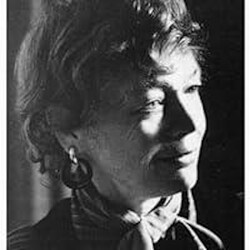
Photograph by Cynthia Bradford
Jennifer Dawson (1929–2000) studied at Oxford, where she suffered a breakdown and spent several months in a hospital. After graduating in 1954, Dawson worked as a teacher in a convent in France, a welfare worker in London’s East End, and a social worker in a psychiatric hospital. Her experience both as a mental health professional and patient formed the basis for The Ha-Ha, which won the James Tait Black Memorial Prize and was adapted for the stage and broadcast by the BBC. Over her lifetime, Dawson wrote six more novels, a collection of short stories, and coauthored a children’s book.
Product Details
- Publisher: Scribner (November 11, 2025)
- Length: 192 pages
- ISBN13: 9781668088579
Browse Related Books
Raves and Reviews
A New York Times Book Review Editors’ Choice
“While Dawson should certainly be celebrated as one of our most accomplished midcentury writers on mental illness and women’s struggle for liberation, she is owed even more: recognition for the startling clarity of her sentences, the compassion with which she makes her wallflower characters fully bloom.” —Naomi Huffman, New York Times Book Review
“The similarities between The Bell Jar and this work abound... Josephine is a terribly unique narrator, one that you root for... funny and sad.” —Condé Nast Traveler
“Dawson’s novel sees Josephine get everything wrong, and this is what makes her get everything right. Both charmingly original and completely idiosyncratic, Josephine’s foibles make for a compelling character story and a relatable way of seeing the world—that is, too much and not at all.” —Our Culture
“How can a novel so quiet and unsentimental be so moving? The sadness is right there, the beauty sneaks up on you. It took my breath away.” —Meg Mason, author of Sorrow and Bliss
“Literature is experiential, literature is personal, and Jennifer Dawson's The Ha-Ha, which displays her rare ability to legibly and vividly convey the interior workings of a very unique mind and spirit, is a magnificent literary experience.” —from the introduction by Melissa Broder, author of Death Valley
“Highly original and deeply relatable, The Ha-Ha is a radiant and powerful work that shines an unflinching light on the darker places.” —Claire-Louise Bennett, author of Pond
“Some novels alight in the glimmering interstice between enthralling and necessary. This is one of them.” —Claire Kilroy, author of Soldier, Sailor
“An unsettling read, poetic and sharp... a fascinating exploration of mental illness.” —Catherine Cho, author of Inferno
“Such a brilliant book, and so timeless... A short, singular, elegant novel.” —Guardian
“Cool, short, tender and occasionally as prettily ruthless as the impact of a stiletto heel.” —Tatler
“A cool, clever, well-constructed novel about the nature of reality... Miss Dawson writes very well indeed, with remarkable calmness and detachment... brilliant.”
—Penelope Mortimer, Sunday Times
“Remarkably talented... Her heroine is a convincing and sympathetic character, and when her mind begins to shift into the nightmare perspective of schizophrenia the writing creates an atmosphere of quiet terror.” —Observer
Resources and Downloads
High Resolution Images
-
Book Cover Image (jpg): The Ha-Ha
eBook 9781668088579
-
Author Photo (jpg): Jennifer Dawson Photograph by Cynthia Bradford(0.1 MB)
Any use of an author photo must include its respective photo credit
Join our mailing list!
By clicking 'Sign me up' I acknowledge that I have read and agree to the privacy policy and terms of use.