


Get our latest staff recommendations, award news and digital catalog links right to your inbox.
Interview With the Author of THE UNBECOMING OF MARA DYER
The Unbecoming of Mara Dyer Trailer
Table of Contents
About The Book
“Haunting and dreamlike.” —Cassandra Clare, author of the New York Times bestselling Moral Instruments series
A grieving teen plagued by visions tries to determine if she’s hallucinating or being haunted in this first book in the Mara Dyer young adult thriller trilogy that “will satisfy mystery lovers, dark fantasy seekers, horror believers, and readers who have a knack for romance” (VOYA).
When Mara Dyer wakes up in a hospital, she learns that she’s the sole survivor of an accident that killed her boyfriend and closest friends. She can’t remember the building collapsing—or why they were at the old asylum in the first place, and she doesn’t put up much of a fight when her mom decides it would be best for the family to make a fresh start, leaving Rhode Island for Miami.
At her new elite private school, the popular kids immediately single Mara out and bully her relentlessly—except for Noah, a charming bad boy with a knack for drawing Mara out of her shell. But Mara can’t leave her ghosts behind. Her mom tells her she’s suffering from post-traumatic stress disorder, that the razed buildings and dead friends Mara sees are hallucinations, but Mara can’t help but wonder if there’s more to her visions.
When people around her begin dying, Mara becomes even more desperate to determine reality from nightmare. With Noah’s help, can Mara separate what’s real from what’s imagined…and what’s very, very dangerous?
A grieving teen plagued by visions tries to determine if she’s hallucinating or being haunted in this first book in the Mara Dyer young adult thriller trilogy that “will satisfy mystery lovers, dark fantasy seekers, horror believers, and readers who have a knack for romance” (VOYA).
When Mara Dyer wakes up in a hospital, she learns that she’s the sole survivor of an accident that killed her boyfriend and closest friends. She can’t remember the building collapsing—or why they were at the old asylum in the first place, and she doesn’t put up much of a fight when her mom decides it would be best for the family to make a fresh start, leaving Rhode Island for Miami.
At her new elite private school, the popular kids immediately single Mara out and bully her relentlessly—except for Noah, a charming bad boy with a knack for drawing Mara out of her shell. But Mara can’t leave her ghosts behind. Her mom tells her she’s suffering from post-traumatic stress disorder, that the razed buildings and dead friends Mara sees are hallucinations, but Mara can’t help but wonder if there’s more to her visions.
When people around her begin dying, Mara becomes even more desperate to determine reality from nightmare. With Noah’s help, can Mara separate what’s real from what’s imagined…and what’s very, very dangerous?
Excerpt
Chapter 1
Reading Group Guide
Join our mailing list! Get our latest staff recommendations, award news and digital catalog links right to your inbox.
By clicking 'Sign me up' I acknowledge that I have read and agree to the privacy policy and terms of use.
A Reading Group Guide to
The Unbecoming of Mara Dyer
By Michelle Hodkin
Discussion Questions
1. Although she is the narrator, we get to know Mara Dyer as a character rather gradually in The Unbecoming of Mara Dyer. What were your first impressions of Mara? How did your opinion of her change from the beginning of the book to the end? Can she be considered an "unreliable" narrator? Explain.
2. What do you know about post-traumatic stress disorder? Do you think Mara is experiencing conditions associated with this disorder, and how so? Perhaps it's something else? Explain using specific examples from the book.
3. Noah Shaw has a bad reputation around school, though Mara sees a different side to him. Why do you think Noah cultivates this reputation? Do you think he is right not to correct other people's assumptions?
4. What are the qualities of Noah that attracted Mara? Did Mara fall in love with Noah at first sight, or did it happen over time? Was there a particular turning point that seemed to signify a shift in their relationship? Do you believe in love at first sight?
5. Mara asks Noah, “Are you afraid of anything?” and Noah replies, “I’m afraid of forgeries.” What does he mean? What does his response say about him? What are your own fears?
6. Often we’re faced with discrepancies between reality and illusion in The Unbecoming of Mara Dyer. It isn’t always easy for us, as readers, to determine what was real or not. What clues did you look for—or observe, in retrospect—that helped you determine what was really happening in Mara’s life? Do you think the author deliberately intended for there to be a discrepancy? Is this why Mara is an unreliable narrator? What does this accomplish?
7. What does “real” mean to Noah? Consider the following excerpts:
• Noah: “I’m afraid of forgeries.”
• Noah: “No matter what, I’m an imposter. An actor in my own life.”
• Mara, talking about Noah: “And that made him real.”
• Noah, to Mara: “You made me real.”
What makes a person “real” to you?
8. Mara thought Noah's surprise tour of the art exhibit was a perfect date. Describe the ingredients of your perfect dream date, and the significance of each detail.
9. What happened at the conclusion of The Unbecoming of Mara Dyer? Explain. Use evidence from the text to support your theories.
10. Now, looking back at the very beginning, how would you explain Mara’s situation when the story first opened? What did you learn, later on, that helped make sense of the story’s initial disclaimer? Why do you think Michelle Hodkin chose to introduce The Unbecoming of Mara Dyer in this manner?
11. Define “unbecoming,” as it relates to Mara Dyer.
Guide written by Catharine Sotzing, an elementary school teacher at the Dalton School, New York City.
This guide has been provided by Simon & Schuster for classroom, library, and reading group use. It may be reproduced in its entirety or excerpted for these purposes.
The Unbecoming of Mara Dyer
By Michelle Hodkin
Discussion Questions
1. Although she is the narrator, we get to know Mara Dyer as a character rather gradually in The Unbecoming of Mara Dyer. What were your first impressions of Mara? How did your opinion of her change from the beginning of the book to the end? Can she be considered an "unreliable" narrator? Explain.
2. What do you know about post-traumatic stress disorder? Do you think Mara is experiencing conditions associated with this disorder, and how so? Perhaps it's something else? Explain using specific examples from the book.
3. Noah Shaw has a bad reputation around school, though Mara sees a different side to him. Why do you think Noah cultivates this reputation? Do you think he is right not to correct other people's assumptions?
4. What are the qualities of Noah that attracted Mara? Did Mara fall in love with Noah at first sight, or did it happen over time? Was there a particular turning point that seemed to signify a shift in their relationship? Do you believe in love at first sight?
5. Mara asks Noah, “Are you afraid of anything?” and Noah replies, “I’m afraid of forgeries.” What does he mean? What does his response say about him? What are your own fears?
6. Often we’re faced with discrepancies between reality and illusion in The Unbecoming of Mara Dyer. It isn’t always easy for us, as readers, to determine what was real or not. What clues did you look for—or observe, in retrospect—that helped you determine what was really happening in Mara’s life? Do you think the author deliberately intended for there to be a discrepancy? Is this why Mara is an unreliable narrator? What does this accomplish?
7. What does “real” mean to Noah? Consider the following excerpts:
• Noah: “I’m afraid of forgeries.”
• Noah: “No matter what, I’m an imposter. An actor in my own life.”
• Mara, talking about Noah: “And that made him real.”
• Noah, to Mara: “You made me real.”
What makes a person “real” to you?
8. Mara thought Noah's surprise tour of the art exhibit was a perfect date. Describe the ingredients of your perfect dream date, and the significance of each detail.
9. What happened at the conclusion of The Unbecoming of Mara Dyer? Explain. Use evidence from the text to support your theories.
10. Now, looking back at the very beginning, how would you explain Mara’s situation when the story first opened? What did you learn, later on, that helped make sense of the story’s initial disclaimer? Why do you think Michelle Hodkin chose to introduce The Unbecoming of Mara Dyer in this manner?
11. Define “unbecoming,” as it relates to Mara Dyer.
Guide written by Catharine Sotzing, an elementary school teacher at the Dalton School, New York City.
This guide has been provided by Simon & Schuster for classroom, library, and reading group use. It may be reproduced in its entirety or excerpted for these purposes.
About The Author
(c) Shirin Tinati
Michelle Hodkin grew up in Florida, went to college in New York, and studied law in Michigan. She is the author of the Mara Dyer and Noah Shaw trilogies. Visit her online at MichelleHodkin.com.
Product Details
- Publisher: Simon & Schuster Books for Young Readers (September 27, 2011)
- Length: 464 pages
- ISBN13: 9781442421783
- Grades: 9 and up
- Ages: 14 - 99
Browse Related Books
Awards and Honors
- ALA Best Books for Young Adults Nominee
- Blue Spruce YA Book Award Nominee (CO)
- The Flume: New Hampshire Teen Reader's Choice Award Nominee
- ALA/YALSA Readers/ Choice
- ALA Popular Paperbacks for Young Adults - Top Ten
Resources and Downloads
High Resolution Images
-
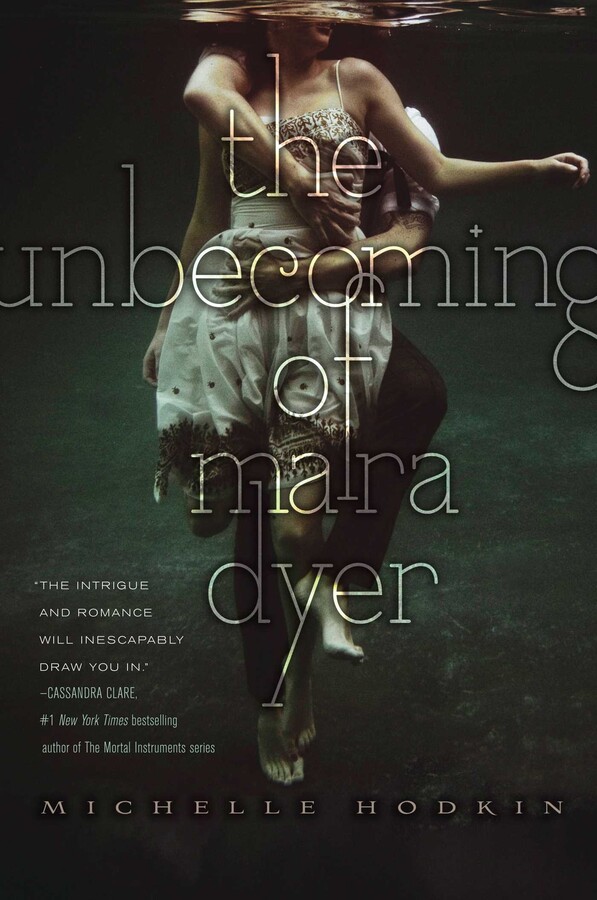
Book Cover Image (jpg): The Unbecoming of Mara Dyer
eBook 9781442421783
-
Author Photo (jpg): Michelle Hodkin (c) Shirin Tinati(0.1 MB)
Any use of an author photo must include its respective photo credit
Join our mailing list!
By clicking 'Sign me up' I acknowledge that I have read and agree to the privacy policy and terms of use.