Get our latest staff recommendations, award news and digital catalog links right to your inbox.
Published by IEA
Distributed by Simon & Schuster
Table of Contents
About The Book
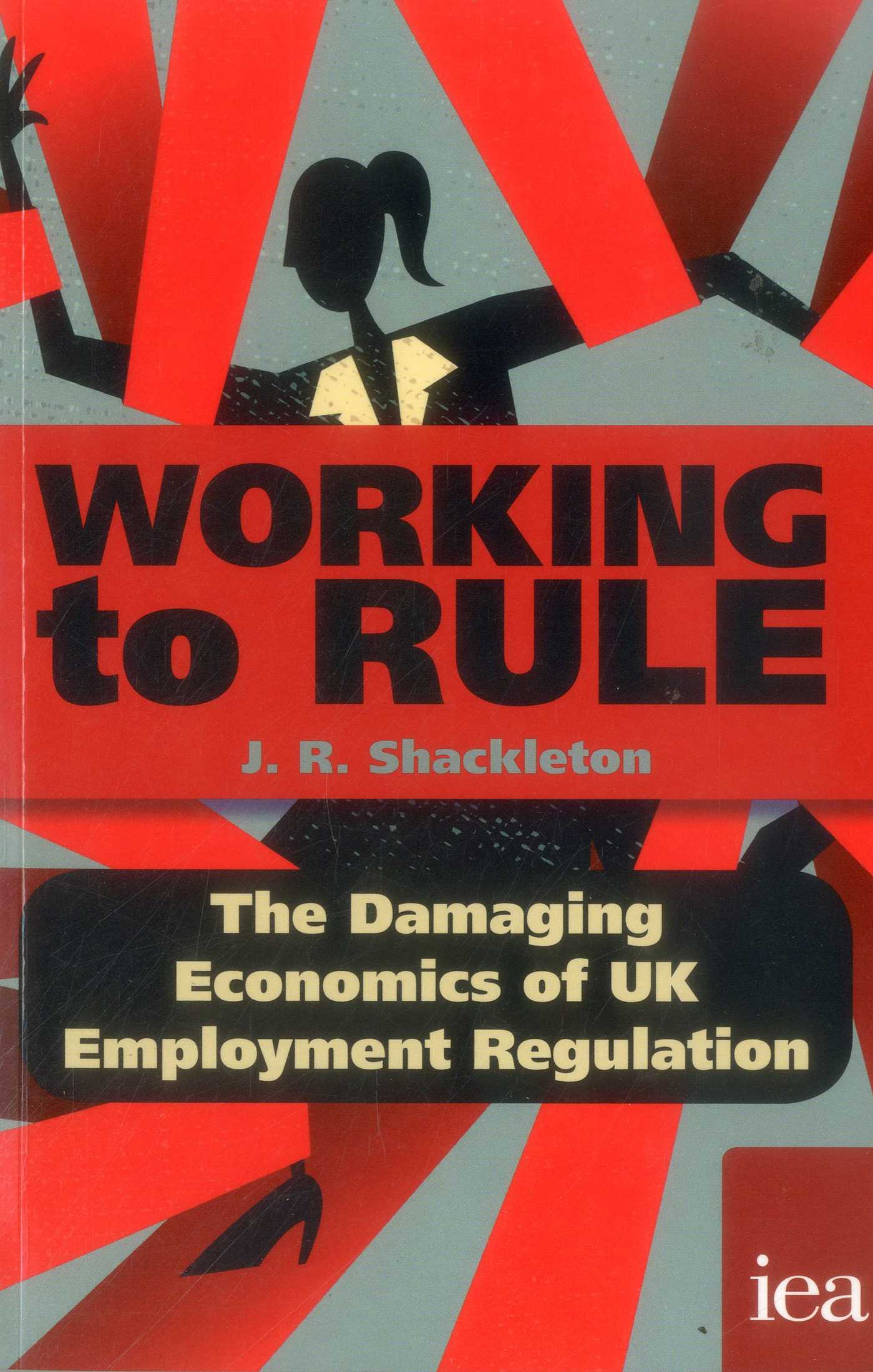
Employment law has been growing rapidly. This has not exclusively or even mainly come from the European Union. Recent UK governments have added such significant new measures as the National Living Wage, workplace pensions and the Apprenticeship Levy. The costs of such regulation are frequently assumed - by both advocates and opponents - to fall on business profits. This isn't so, except in the very short run. They are instead transferred in part to consumers, but mainly to employees themselves. Mandated benefits - longer holidays or extended maternity leave, mean reduced pay growth and fewer job opportunities. Anti-discrimination laws lead to fewer openings for disadvantaged groups, while employment protection legislation worsens job prospects for the young. Excessive regulation acts as a barrier to entry, shielding incumbents and deterring the foundation of new enterprises. Attempts to restrict new types of employment in the 'gig' economy are counterproductive, serving 'insiders' at the expense of 'outsiders'. This book combines a history of employment laws with analysis of the troublesome effects of various interventions. The author argues for a fundamental rethink.Some basic labour market regulation may still be necessary, but far less than we currently have.
Product Details
- Publisher: IEA (May 19, 2017)
- Length: 286 pages
- ISBN13: 9780255367431
Browse Related Books
Resources and Downloads
High Resolution Images
-
Book Cover Image (jpg): Working to Rule
Trade Paperback 9780255367431
Published by IEA
Distributed by Simon & Schuster
Join our mailing list!
By clicking 'Sign me up' I acknowledge that I have read and agree to the privacy policy and terms of use.