Get our latest staff recommendations, award news and digital catalog links right to your inbox.
Table of Contents
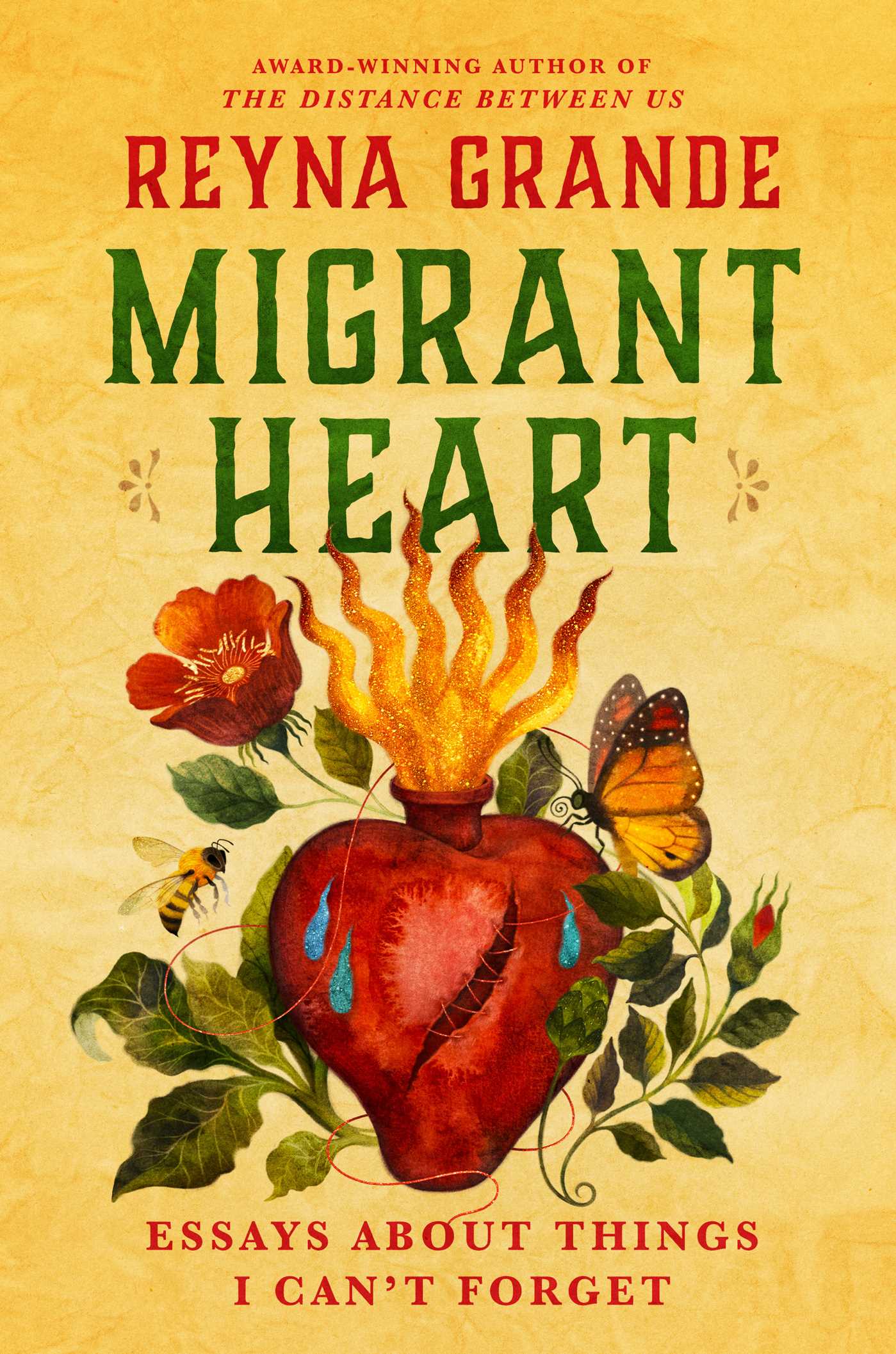
About The Book
An ambitious memoir in essays by beloved bestselling author Reyna Grande that illuminates the hidden cost of the American Dream and the complex journey of healing that follows survival.
What is the true power of stories? Can they heal the jagged edges of a traumatic childhood? Is the cost of telling the story worth the price of the cure?
Reyna Grande has spent her career capturing the raw reality of life across borders. In this intricate and deeply intimate memoir-in-essays, the author of the landmark memoirs The Distance Between Us and A Dream Called Home again turns her gaze inward to explore the scars left by migration and the ongoing work of stitching herself back together.
With her signature blend of sophistication and raw honesty, Grande interrogates how living between two nations, two languages, and two identities has shaped the woman, mother, and writer she has become. Moving from the legacy of violence in her hometown of Iguala, Mexico, to a bittersweet family vacation in Europe spent reconciling her own impoverished past with her children’s world of abundance, she uncovers startling truths about the nature of survival.
Whether being racially profiled in the Arizona borderlands or finding unexpected wisdom from the slugs in her garden, Grande unflinchingly asks: How do we bridge the gap between who we were and who we have become? How do we turn pain into power? When memory threatens to define us, how can we use story to heal while still honoring our boundaries?
Migrant Heart is a powerful testament to Grande’s role as a storyteller and cultural witness. It expands our understanding of life in the United States and the complex people who cross and live within its borders. It is an essential read for the seekers, the dreamers, and anyone who believes in the enduring, transformative power of finding one’s voice.
What is the true power of stories? Can they heal the jagged edges of a traumatic childhood? Is the cost of telling the story worth the price of the cure?
Reyna Grande has spent her career capturing the raw reality of life across borders. In this intricate and deeply intimate memoir-in-essays, the author of the landmark memoirs The Distance Between Us and A Dream Called Home again turns her gaze inward to explore the scars left by migration and the ongoing work of stitching herself back together.
With her signature blend of sophistication and raw honesty, Grande interrogates how living between two nations, two languages, and two identities has shaped the woman, mother, and writer she has become. Moving from the legacy of violence in her hometown of Iguala, Mexico, to a bittersweet family vacation in Europe spent reconciling her own impoverished past with her children’s world of abundance, she uncovers startling truths about the nature of survival.
Whether being racially profiled in the Arizona borderlands or finding unexpected wisdom from the slugs in her garden, Grande unflinchingly asks: How do we bridge the gap between who we were and who we have become? How do we turn pain into power? When memory threatens to define us, how can we use story to heal while still honoring our boundaries?
Migrant Heart is a powerful testament to Grande’s role as a storyteller and cultural witness. It expands our understanding of life in the United States and the complex people who cross and live within its borders. It is an essential read for the seekers, the dreamers, and anyone who believes in the enduring, transformative power of finding one’s voice.
Appearances
JUN 15
7:00PM
Vroman's Bookstore
695 E. Colorado Blvd
Pasadena, CA 91101
JUN 17
6:30PM
In Person
Reyna Grande discusses MIGRANT HEART with Leslie Priscilla
The Untold Story Bookstore
301 N Anaheim Blvd
Ste D
Anaheim, CA 92805
Excerpt
1. The Queen of Misery THE QUEEN OF MISERY
If something is to stay in the memory it must be burned in:
only that which never ceases to hurt stays in the memory…
We notice the scar, not the skin.
—VIET THANH NGUYEN1
Cory and Reyna, 2007
When The Distance Between Us was published in 2012, a friend suggested that my publisher include a box of tissues with each book.
“You’re the queen of misery,” she declared. “I cried the whole time.”
My friend meant it as a compliment—that I had transformed my childhood suffering into beautiful art, and she was touched. Still, I apologized for making her cry and confessed that my writing comes from a dark place, from profound anguish. My deepest wound. I don’t know how to write any other way.
Perhaps this is why my favorite piece of advice from my literary madrina, Sandra Cisneros, is to write about the things we wish we could forget. Even before I met her, I followed Sandra’s advice. As a young writer, everything was about the things I would rather forget. It wasn’t difficult. There wasn’t much else to my life. Happy memories were few and far between.
While writing Distance, I worried readers would find it too depressing. I tried hard to come up with happy memories. No luck. The memory vault was nearly empty of joy. I even called my siblings, begging, “Any happy memories I can borrow to add to the story?” My older sister Mago had the same problem. She unequivocally declared, “I have no happy memories.” Eventually, we cobbled together a short list: Christmas posadas in Mexico, seeing the ocean for the first time, playing at the park while our father made carne asada, Disneyland, my first and only Barbie, my quinceañera.
A few years later, I worked on the sequel, A Dream Called Home, writing about even more things I’d rather forget. Again, I struggled to recall happy moments, and this memoir was turning out as bleak as the first. I worried about overwhelming the reader with more “misery.” Sure enough, one of my editors for this memoir suggested I cut the last chapter, the one about my wedding. In her comments, she wrote: I think you can cut the wedding… This is such a downer. I know it happened, and it’s sad and awful, but as your reader, and because I care about this book, I just don’t think it’s necessary… I want this book to end on a high note.
Usually, in books and films, ending a story with a wedding would be the opposite of a downer—it would be joyous. It would be romantic, a celebratory conclusion satisfying to the reader. I wanted my book to end happily. As I plotted the story, my wedding seemed perfect. But once more, my brain had twisted it, turning it into another I wish I could forget moment.
Even my husband took issue with how I depicted our wedding, saying, “Don’t ruin one of the happiest days of my life.”
So I cut the scene.
The way my mind had stored the memory of our wedding was typical for me. Instead of remembering the joy, I had retained the negative parts with great clarity and detail, pushing the good parts into the haze. In other words, my mind took a happy moment and made it hurt. As Viet Thanh Nguyen writes in A Man of Two Faces, “It’s easier to remember the deprivation than the joy. One burns. The other fades.”2
Specifically, what was burned into my mind was the sadness and disappointment I experienced when, as we were getting ready for the ceremony, my father, as usual, ruined things. He paced for an hour, looking at his watch.
“When will this wedding start? It’s getting late. I promised my pastor I would mow the lawn today and do some other repairs at the church.”
By then my father had given up alcohol, focusing his addictive nature on religion. He had joined a Seventh-day Adventist church and was always there. He would never attend our children’s birthday parties or celebrate holidays with us because he was always at church or his new religion didn’t permit such celebrations. My siblings and I had mostly given up on a relationship with him, accepting his absence in our lives. But this day was different.
“It’s my wedding day,” I said.
He looked out the window at the afternoon sun, measuring how much daylight remained. “You said the ceremony would only be half an hour,” he said.
“It’s my wedding day!” I said again. “That means dinner, dancing, cake—the cake you bought me! You’re supposed to dance with me. You’re the father of the bride, aren’t you?”
“I promised my pastor,” he repeated, then left the room.
My sister handed me a tissue, and I dabbed at my eyes, trying to keep the tears in so I wouldn’t ruin my makeup.
“Just forget about him, Nena,” Mago said as she continued doing my hair. “If he wants to leave, then let him. You know how he is.”
When we finally gathered outside in the garden to begin the ceremony, I thought my father had left, and I would have to walk down the aisle alone. My stepmother reassured me he was still around. She found him sulking in a corner of the garden and told him we were ready. The mariachis took their places at the front of the procession. I took my place at the very end, and my father stood next to me. I put my arm through his, and I did not say a word to him, nor he to me. As soon as he delivers me to the love of my life, I told myself, I won’t care if he leaves.
To his credit, he stuck around for the father-daughter waltz, then took off.
My chapter continued with other negative things that happened at my wedding. Because of our limited budget, we had the wedding on a Friday evening to cut costs, and guests arrived late, frazzled from rush-hour traffic. Later, they ate so much of the buffet dinner, hardly anyone touched the beautiful cake. And I felt terrible, knowing my father had spent nearly a week’s wages on it.
Toward the end of the night, my husband was pulled away from dancing with me to help the best man jump-start the dead battery of his car. Then there was my friend from college. She missed her flight. She missed the ceremony. And she had no hotel room and nowhere to sleep. She ended up crashing in our room, with my husband and me. On our wedding night!I
I’m glad I removed that chapter from A Dream Called Home. My editor was right: It was an absolute downer. But something stayed with me—a realization, or rather, a confirmation. Not only do I remember the bad times more easily, but even positive experiences get corrupted in my brain. Damaged. When I recollect them, they’re not the same anymore. I have no problem following Sandra Cisneros’s writing advice. Doing the opposite is what’s challenging. I would be hard-pressed to write about things that bring me joy.
I’ve been reading about memory lately. How we can change it, reframe it. It’s not lying but finding a new perspective. I would love to reminisce as the Cambridge Dictionary defines it: “to talk or write about past experiences that you remember with pleasure.” Not with pain, sorrow, or bitterness, as I often do. But with pleasure, and even gratitude.
According to researchers, remembering happy moments is a great strategy for coping with stress. It reduces cortisol levels and enhances one’s mood, contributing to our overall well-being. It sounds truly lovely, but for some, this is hard to do.
I’ve learned that people with depression often get stuck on negative memories. My friend was right. I am the queen of misery! Though never clinically diagnosed, I know I struggle with a deep sadness that I often try to ignore. I’m in a constant state of distress and regret. This rumination, this incessant replay of negativity, is a dark companion to my anxiety. It steals my joy, making it hard to feel happy or appreciate what I have. My outlook on life is definitely “glass half-empty,” making me overly critical of everything and everyone, especially myself.
My depression isn’t so bad that I feel I need medication, but it’s always there, hovering, waiting, like a Dementor from Harry Potter, ready to suck happiness from any given moment. I’m not suicidal, but I’ve had dark thoughts, the ones that whisper, If I were to die today, I wouldn’t care.
One writes out of one thing only—one’s experience. Everything depends on how relentlessly one forces from this experience the last drop, sweet or bitter, it can possibly give.
—JAMES BALDWIN3
All art has the potential to heal, to mend the broken pieces within us. For me, my lifeline has been my writing, which has given me a sense of purpose, crucial for building resilience. I’ve learned to carefully unhook my heart from the barbed wire of the past, examine the wounds, and find a way to heal. While writing is not a replacement for professional mental health care, it has been instrumental in helping me navigate my feelings. After all, if we don’t express and process our emotions, we begin to repress them, letting them fester inside our bodies and lead us to a dark place where we can either implode or explode.
When I wrote The Distance Between Us, the blank page became a safe space where I could lay bare my bitter childhood experiences, reflect on, examine, and lessen their power over me. In those moments of reflection, I saw the silver lining. “Hey, my parents were awful, but at least they gave me something to write about,” I would joke. Or, as Robert Downey Jr. said in his acceptance speech at the Academy Awards in 2024, “I would like to thank my terrible childhood…”
But have I made my trauma a primary part of my identity?
Just as repeated “reliving of trauma in therapy can reinforce preoccupation and fixation,”4 so can reliving it repeatedly onstage and on the page. Thanks to the success of The Distance Between Us and, later, A Dream Called Home, I now find myself in a twilight zone—reliving moments I wish I could forget on stages across the country. My memoirs, born from a desire to process my trauma and take charge of my healing, have become a double-edged sword. While writing them was cathartic, a way to make sense of my experiences and find peace, publicly reliving the trauma now feels like continually wrapping my identity around it, reinforcing my image as a victim. Deliberately choosing to live with my heart pressed against the barbed wire.
I first began talking about my trauma publicly when my debut novel was published. At early readings of Across a Hundred Mountains, I quickly learned that readers were more interested in the real-life events that inspired my fictional narrative than in my made-up story. “How did you feel when your father left for the US?” an audience member wanted to know. “How did you find it in yourself to forgive your parents?” another asked. “What was it like to cross the border at such a young age?” Most questions at my book readings were not about my novel but about me and my feelings. After sharing so much of myself with the audience, it would take days to recover emotionally.
In those early years of my career, it was excruciating to open up about my experiences as an immigrant. By now, I’ve shared my trauma narrative so much, I can do it without crying (most of the time). Back then, I often cried onstage, overwhelmed by the rawness of it all. I still remember a few months after the publication of Across a Hundred Mountains, I was invited to be a keynote speaker at a fundraiser gala for a battered women’s shelter in El Paso, Texas. The other speaker was Denise Brown, the sister of Nicole Brown Simpson, who was brutally murdered in 1994. Denise Brown and I were to talk about domestic violence and the scars it leaves behind. When it was my turn to speak and recount my experiences living at home with an alcoholic, violent father, I started to cry. I tried so hard to swallow my tears, telling myself I was being unprofessional, but I sobbed through my speech. As I spoke, I was there again, being pummeled by my father. I felt exposed, vulnerable, like reliving the abuse in front of a room full of strangers. When I got off the stage, I was so embarrassed by my tears I had trouble looking anyone in the eye. I just hoped the shelter got enough donations that night to make my pain worth it.
Little by little, I began to earn a living as a writer, getting paid for school visits, keynotes, and panel discussions. I felt fortunate and grateful to be compensated for my time and, more importantly, for the opportunity to tell my story in my own words, to shed light on the immigrant experience and speak about the injustices I had witnessed and endured. How many immigrants will never get the chance, continuing to be erased and silenced, denied opportunities to speak on issues central to their lives? But every time I walked onto a stage to share my story, I had to relive those painful experiences I’d written about. During the Q&A, the audience would ask me very personal questions that sounded like “Tell us about the hole in your heart…,” and I always answered them. To this day, I still joke with my audience that I’m literally an open book.
Sometimes, I wanted to get off the stage and not talk about my pain anymore. But I had written a memoir… Hadn’t I invited readers into my life? Didn’t I have to give them access to every room in my heart? Isn’t that what a memoirist does? I hadn’t yet learned about boundaries or stumbled upon the poet Terrance Hayes’s declaration: “I wrote it so I wouldn’t have to talk about it.”5
Though I value opportunities to connect with readers, inspire others, and support myself through my writing and public speaking, repeatedly telling my trauma narrative keeps me trapped in the past, its sharp edges still cutting. Instead of letting go, I find myself leaning into victimhood, constantly searching for more traumatic material to mine and write about. I seem afraid that if I stop poking at the wound, I’ll lose my source of inspiration.
Yet I fully recognize this vulnerability has also given me something positive. By being so open on the page and onstage, I’ve forged an emotional bond with my readers, who reward me by being fully engaged with my story. My courage seems to give them permission to be brave and vulnerable, too, encouraging them to share their own stories and find solace in our shared experiences. This has also provided me with a strong sense of solidarity and mutual support, allowing me to push back against feelings of isolation. The power of shared narratives, after all, lies in building community and fostering connection. Also, by sharing my personal experiences with trauma, I’m actively working against the silence and stigma that often surrounds it, especially within my Latinx community, where trauma and mental health are taboo topics.
But sometimes I ask myself, Have I commodified my suffering? Have I pigeonholed myself as a writer who writes in “the genre of victimhood”?6 Where is the line between self-reflection and self-exploitation? Is it when pain becomes a performance? When vulnerability becomes a commodity? Beyond the emotional toll, I struggle with the growing awareness that by sharing my pain, I risk perpetuating a narrative of victimhood, becoming complicit in my own victimization, or reducing my experiences to immigrant trauma porn.
Do you remember the happiest day of your life? What about the saddest? Do you ever wonder if sadness and happiness can be combined, to make a deep purple feeling, not good, not bad, but remarkable simply because you didn’t have to live on one side or the other?
—OCEAN VUONG7
My writing has always been tied to my suffering, a fixation on trauma I believed was the only source of my artistic voice. And as I now prioritize my mental health and cultivate new joys—gardening, sewing, painting, canning, jewelry making—I find myself blocked, as if my writing cannot exist without anguish. This is the dilemma I’m trying to solve.
In their novel On Earth We’re Briefly Gorgeous, Ocean Vuong writes, “I don’t want my sadness to be othered from me just as I don’t want my happiness to be othered. They’re both mine. I made them, dammit.”8 This idea of refusing to “other” any part of oneself is radical. For so long, I have othered my own happiness from my writing life, believing only by fixating on the hurt could I create something meaningful. I crowned myself the queen of misery, bound my imagination to my trauma, and, in doing so, rejected the possibility that joy could be an equally powerful muse. On the other hand, I also don’t want to fully reject my sadness because it’s mine, dammit! But following Vuong’s logic, if I “made” my sadness the center of my art, I must also have the power to invite my happiness to the page. My healing depends on it. The challenge now is to redefine my art without sacrificing my livelihood, to write from a place of wholeness, not just brokenness. It’s a conscious act of integrating all parts of my experience—the pain and the pleasure, the trauma and the triumph—and allowing them to coexist as the true source of my work.
As Sherman Alexie beautifully says, “I think every writer stands in the doorway of their prison. Half in, half out. The very act of storytelling is a return to the prison of what torments us and keeps us captive, and writers are repeat offenders. You go through this whole journey with your prison, revisiting it in your mind. Hopefully, you get to a point when you realize there was beauty in your prison too.”9
I am ready to see that beauty.
Is it even possible to retrain my brain, to change how it remembers and imbue my memories with more beauty and joy? The answer is yes.
Research confirms I can harness my brain’s natural ability to update and improve my memories. According to Columbia University research scientist Megan Speer, this is achieved by learning to reframe the event. “We found that we can actually change what we remember. This doesn’t mean coming up with false memories, but that we can update our memories with new content, allowing us to recall more positive aspects of an experience.”10 She adds that finding positive meaning in negative experiences, such as lessons learned or resilience gained, would help us improve our mood, reduce symptoms of depression, and recover more quickly from stress.
I’m determined to rewire my thinking, to let new skin grow over the wounds, to actively seek and make space for happiness alongside sadness. I want to see what my writing can become when it’s no longer fueled solely by past pain, but by the quiet courage of moving forward. I want to rebrand myself, to soothe what burns. For starters, I will reframe my wedding so, like my husband, I can always remember it as one of the happiest days of my life.
I let go of my father’s arm and take my place beside Cory. He smiles at me reassuringly, and whatever anxiety my body holds because of my father’s behavior, I release on my next breath. The officiant, Cory’s sister, Morgan, stands before us and asks everyone to take a seat.
“Welcome, family and friends. Reyna and Cory have invited us here today to share in the celebration of their marriage…”
I look at Morgan, my soon-to-be sister-in-law, and smile. Though it’s her first time, she conducts the ceremony like a pro. All everyone has to do is follow her instructions. Mago, my maid of honor, and Ben, the best man, read the selected poems, the mothers light the unity candles, the godparents put the “lazo” over Cory’s shoulders and mine, as is tradition in Mexican weddings as a symbol of our everlasting union. Finally, Morgan says, “Cory and Reyna, you have declared your intention to marry; now I invite you to share your vows with each other before your dearest friends and family.”
Cory and I face each other, and I lose myself in his shiny blue eyes, feeling as if I were looking at the years before us—brilliant, sparkling, joyful. Cory speaks first. “Reyna, you are an intelligent, creative, determined, and talented woman. I stand here today to commit to a life full of adventures with you…”
He talks about the exhilarating hike we’d done in Malibu Creek before we started dating, of how he’d known, when we reached the cliff and sat to rest, that I was the one for him. I smile because I felt the same way that day, and I remember how afraid I’d been that it wasn’t meant to be.
And yet, here we are.
“I look forward to watching our children and our grandchildren grow,” he says. “As we grow old together, I know life with you will always be exciting. We will have adventures, but I know we will also always find a quiet moment for a movie or a crossword, or to play Scrabble.”
The guests laugh at that. By now, everyone knows of our mutual addiction. When he proposed to me, he hid the engagement ring in the Scrabble bag for me to find at our next game.
“Reyna,” Cory continues. “I am honored to marry you today. I love you with all of my heart.”
I could have kissed him right then and there, but I glance at Morgan, who stands rather authoritatively near us, and I know I have to stick to the program.
Then it’s my turn to say my vows. The paper shakes in my hands, but the warmth in Cory’s eyes steadies me, gives me strength, so I begin. “Cory, in you I have found a man who loves me and respects me, who is devoted and dependable, not to mention handsome and sexy, too—what more could a girl ask for?” I pause as the guests laugh. Cory smiles and shakes his head at my brazenness. I continue, getting serious. “Your high moral values and your unwavering commitment to your job, your family, and your beliefs are things that I truly admire. You accept me with all my flaws, insecurities, and childhood traumas, and I know that you’ll always support me in the pursuit of my dreams, as I will you.
“You have been a great gift to my son. I’m so grateful for all the love you have given him. Since the moment we started dating, and you got me hooked on Scrabble, I knew my life wouldn’t be the same without you. Who else would I play with? I look forward to spending my life with you and sharing new experiences. I’m honored to marry you today. I love you.”
I tell myself not to cry because I hadn’t thought to wear waterproof mascara and the last thing I want is raccoon eyes, but when Morgan says, “I now pronounce you man and wife. You may now kiss the bride,” and Cory’s lips touch mine, I don’t care how I look. Cory is mine and I am his, and together, we will create a loving and stable family that my son, Nathan, and our soon-to-be-born baby girl deserve. The kind of family I have always longed for.
If something is to stay in the memory it must be burned in:
only that which never ceases to hurt stays in the memory…
We notice the scar, not the skin.
—VIET THANH NGUYEN1
Cory and Reyna, 2007
When The Distance Between Us was published in 2012, a friend suggested that my publisher include a box of tissues with each book.
“You’re the queen of misery,” she declared. “I cried the whole time.”
My friend meant it as a compliment—that I had transformed my childhood suffering into beautiful art, and she was touched. Still, I apologized for making her cry and confessed that my writing comes from a dark place, from profound anguish. My deepest wound. I don’t know how to write any other way.
Perhaps this is why my favorite piece of advice from my literary madrina, Sandra Cisneros, is to write about the things we wish we could forget. Even before I met her, I followed Sandra’s advice. As a young writer, everything was about the things I would rather forget. It wasn’t difficult. There wasn’t much else to my life. Happy memories were few and far between.
While writing Distance, I worried readers would find it too depressing. I tried hard to come up with happy memories. No luck. The memory vault was nearly empty of joy. I even called my siblings, begging, “Any happy memories I can borrow to add to the story?” My older sister Mago had the same problem. She unequivocally declared, “I have no happy memories.” Eventually, we cobbled together a short list: Christmas posadas in Mexico, seeing the ocean for the first time, playing at the park while our father made carne asada, Disneyland, my first and only Barbie, my quinceañera.
A few years later, I worked on the sequel, A Dream Called Home, writing about even more things I’d rather forget. Again, I struggled to recall happy moments, and this memoir was turning out as bleak as the first. I worried about overwhelming the reader with more “misery.” Sure enough, one of my editors for this memoir suggested I cut the last chapter, the one about my wedding. In her comments, she wrote: I think you can cut the wedding… This is such a downer. I know it happened, and it’s sad and awful, but as your reader, and because I care about this book, I just don’t think it’s necessary… I want this book to end on a high note.
Usually, in books and films, ending a story with a wedding would be the opposite of a downer—it would be joyous. It would be romantic, a celebratory conclusion satisfying to the reader. I wanted my book to end happily. As I plotted the story, my wedding seemed perfect. But once more, my brain had twisted it, turning it into another I wish I could forget moment.
Even my husband took issue with how I depicted our wedding, saying, “Don’t ruin one of the happiest days of my life.”
So I cut the scene.
The way my mind had stored the memory of our wedding was typical for me. Instead of remembering the joy, I had retained the negative parts with great clarity and detail, pushing the good parts into the haze. In other words, my mind took a happy moment and made it hurt. As Viet Thanh Nguyen writes in A Man of Two Faces, “It’s easier to remember the deprivation than the joy. One burns. The other fades.”2
Specifically, what was burned into my mind was the sadness and disappointment I experienced when, as we were getting ready for the ceremony, my father, as usual, ruined things. He paced for an hour, looking at his watch.
“When will this wedding start? It’s getting late. I promised my pastor I would mow the lawn today and do some other repairs at the church.”
By then my father had given up alcohol, focusing his addictive nature on religion. He had joined a Seventh-day Adventist church and was always there. He would never attend our children’s birthday parties or celebrate holidays with us because he was always at church or his new religion didn’t permit such celebrations. My siblings and I had mostly given up on a relationship with him, accepting his absence in our lives. But this day was different.
“It’s my wedding day,” I said.
He looked out the window at the afternoon sun, measuring how much daylight remained. “You said the ceremony would only be half an hour,” he said.
“It’s my wedding day!” I said again. “That means dinner, dancing, cake—the cake you bought me! You’re supposed to dance with me. You’re the father of the bride, aren’t you?”
“I promised my pastor,” he repeated, then left the room.
My sister handed me a tissue, and I dabbed at my eyes, trying to keep the tears in so I wouldn’t ruin my makeup.
“Just forget about him, Nena,” Mago said as she continued doing my hair. “If he wants to leave, then let him. You know how he is.”
When we finally gathered outside in the garden to begin the ceremony, I thought my father had left, and I would have to walk down the aisle alone. My stepmother reassured me he was still around. She found him sulking in a corner of the garden and told him we were ready. The mariachis took their places at the front of the procession. I took my place at the very end, and my father stood next to me. I put my arm through his, and I did not say a word to him, nor he to me. As soon as he delivers me to the love of my life, I told myself, I won’t care if he leaves.
To his credit, he stuck around for the father-daughter waltz, then took off.
My chapter continued with other negative things that happened at my wedding. Because of our limited budget, we had the wedding on a Friday evening to cut costs, and guests arrived late, frazzled from rush-hour traffic. Later, they ate so much of the buffet dinner, hardly anyone touched the beautiful cake. And I felt terrible, knowing my father had spent nearly a week’s wages on it.
Toward the end of the night, my husband was pulled away from dancing with me to help the best man jump-start the dead battery of his car. Then there was my friend from college. She missed her flight. She missed the ceremony. And she had no hotel room and nowhere to sleep. She ended up crashing in our room, with my husband and me. On our wedding night!I
I’m glad I removed that chapter from A Dream Called Home. My editor was right: It was an absolute downer. But something stayed with me—a realization, or rather, a confirmation. Not only do I remember the bad times more easily, but even positive experiences get corrupted in my brain. Damaged. When I recollect them, they’re not the same anymore. I have no problem following Sandra Cisneros’s writing advice. Doing the opposite is what’s challenging. I would be hard-pressed to write about things that bring me joy.
I’ve been reading about memory lately. How we can change it, reframe it. It’s not lying but finding a new perspective. I would love to reminisce as the Cambridge Dictionary defines it: “to talk or write about past experiences that you remember with pleasure.” Not with pain, sorrow, or bitterness, as I often do. But with pleasure, and even gratitude.
According to researchers, remembering happy moments is a great strategy for coping with stress. It reduces cortisol levels and enhances one’s mood, contributing to our overall well-being. It sounds truly lovely, but for some, this is hard to do.
I’ve learned that people with depression often get stuck on negative memories. My friend was right. I am the queen of misery! Though never clinically diagnosed, I know I struggle with a deep sadness that I often try to ignore. I’m in a constant state of distress and regret. This rumination, this incessant replay of negativity, is a dark companion to my anxiety. It steals my joy, making it hard to feel happy or appreciate what I have. My outlook on life is definitely “glass half-empty,” making me overly critical of everything and everyone, especially myself.
My depression isn’t so bad that I feel I need medication, but it’s always there, hovering, waiting, like a Dementor from Harry Potter, ready to suck happiness from any given moment. I’m not suicidal, but I’ve had dark thoughts, the ones that whisper, If I were to die today, I wouldn’t care.
One writes out of one thing only—one’s experience. Everything depends on how relentlessly one forces from this experience the last drop, sweet or bitter, it can possibly give.
—JAMES BALDWIN3
All art has the potential to heal, to mend the broken pieces within us. For me, my lifeline has been my writing, which has given me a sense of purpose, crucial for building resilience. I’ve learned to carefully unhook my heart from the barbed wire of the past, examine the wounds, and find a way to heal. While writing is not a replacement for professional mental health care, it has been instrumental in helping me navigate my feelings. After all, if we don’t express and process our emotions, we begin to repress them, letting them fester inside our bodies and lead us to a dark place where we can either implode or explode.
When I wrote The Distance Between Us, the blank page became a safe space where I could lay bare my bitter childhood experiences, reflect on, examine, and lessen their power over me. In those moments of reflection, I saw the silver lining. “Hey, my parents were awful, but at least they gave me something to write about,” I would joke. Or, as Robert Downey Jr. said in his acceptance speech at the Academy Awards in 2024, “I would like to thank my terrible childhood…”
But have I made my trauma a primary part of my identity?
Just as repeated “reliving of trauma in therapy can reinforce preoccupation and fixation,”4 so can reliving it repeatedly onstage and on the page. Thanks to the success of The Distance Between Us and, later, A Dream Called Home, I now find myself in a twilight zone—reliving moments I wish I could forget on stages across the country. My memoirs, born from a desire to process my trauma and take charge of my healing, have become a double-edged sword. While writing them was cathartic, a way to make sense of my experiences and find peace, publicly reliving the trauma now feels like continually wrapping my identity around it, reinforcing my image as a victim. Deliberately choosing to live with my heart pressed against the barbed wire.
I first began talking about my trauma publicly when my debut novel was published. At early readings of Across a Hundred Mountains, I quickly learned that readers were more interested in the real-life events that inspired my fictional narrative than in my made-up story. “How did you feel when your father left for the US?” an audience member wanted to know. “How did you find it in yourself to forgive your parents?” another asked. “What was it like to cross the border at such a young age?” Most questions at my book readings were not about my novel but about me and my feelings. After sharing so much of myself with the audience, it would take days to recover emotionally.
In those early years of my career, it was excruciating to open up about my experiences as an immigrant. By now, I’ve shared my trauma narrative so much, I can do it without crying (most of the time). Back then, I often cried onstage, overwhelmed by the rawness of it all. I still remember a few months after the publication of Across a Hundred Mountains, I was invited to be a keynote speaker at a fundraiser gala for a battered women’s shelter in El Paso, Texas. The other speaker was Denise Brown, the sister of Nicole Brown Simpson, who was brutally murdered in 1994. Denise Brown and I were to talk about domestic violence and the scars it leaves behind. When it was my turn to speak and recount my experiences living at home with an alcoholic, violent father, I started to cry. I tried so hard to swallow my tears, telling myself I was being unprofessional, but I sobbed through my speech. As I spoke, I was there again, being pummeled by my father. I felt exposed, vulnerable, like reliving the abuse in front of a room full of strangers. When I got off the stage, I was so embarrassed by my tears I had trouble looking anyone in the eye. I just hoped the shelter got enough donations that night to make my pain worth it.
Little by little, I began to earn a living as a writer, getting paid for school visits, keynotes, and panel discussions. I felt fortunate and grateful to be compensated for my time and, more importantly, for the opportunity to tell my story in my own words, to shed light on the immigrant experience and speak about the injustices I had witnessed and endured. How many immigrants will never get the chance, continuing to be erased and silenced, denied opportunities to speak on issues central to their lives? But every time I walked onto a stage to share my story, I had to relive those painful experiences I’d written about. During the Q&A, the audience would ask me very personal questions that sounded like “Tell us about the hole in your heart…,” and I always answered them. To this day, I still joke with my audience that I’m literally an open book.
Sometimes, I wanted to get off the stage and not talk about my pain anymore. But I had written a memoir… Hadn’t I invited readers into my life? Didn’t I have to give them access to every room in my heart? Isn’t that what a memoirist does? I hadn’t yet learned about boundaries or stumbled upon the poet Terrance Hayes’s declaration: “I wrote it so I wouldn’t have to talk about it.”5
Though I value opportunities to connect with readers, inspire others, and support myself through my writing and public speaking, repeatedly telling my trauma narrative keeps me trapped in the past, its sharp edges still cutting. Instead of letting go, I find myself leaning into victimhood, constantly searching for more traumatic material to mine and write about. I seem afraid that if I stop poking at the wound, I’ll lose my source of inspiration.
Yet I fully recognize this vulnerability has also given me something positive. By being so open on the page and onstage, I’ve forged an emotional bond with my readers, who reward me by being fully engaged with my story. My courage seems to give them permission to be brave and vulnerable, too, encouraging them to share their own stories and find solace in our shared experiences. This has also provided me with a strong sense of solidarity and mutual support, allowing me to push back against feelings of isolation. The power of shared narratives, after all, lies in building community and fostering connection. Also, by sharing my personal experiences with trauma, I’m actively working against the silence and stigma that often surrounds it, especially within my Latinx community, where trauma and mental health are taboo topics.
But sometimes I ask myself, Have I commodified my suffering? Have I pigeonholed myself as a writer who writes in “the genre of victimhood”?6 Where is the line between self-reflection and self-exploitation? Is it when pain becomes a performance? When vulnerability becomes a commodity? Beyond the emotional toll, I struggle with the growing awareness that by sharing my pain, I risk perpetuating a narrative of victimhood, becoming complicit in my own victimization, or reducing my experiences to immigrant trauma porn.
Do you remember the happiest day of your life? What about the saddest? Do you ever wonder if sadness and happiness can be combined, to make a deep purple feeling, not good, not bad, but remarkable simply because you didn’t have to live on one side or the other?
—OCEAN VUONG7
My writing has always been tied to my suffering, a fixation on trauma I believed was the only source of my artistic voice. And as I now prioritize my mental health and cultivate new joys—gardening, sewing, painting, canning, jewelry making—I find myself blocked, as if my writing cannot exist without anguish. This is the dilemma I’m trying to solve.
In their novel On Earth We’re Briefly Gorgeous, Ocean Vuong writes, “I don’t want my sadness to be othered from me just as I don’t want my happiness to be othered. They’re both mine. I made them, dammit.”8 This idea of refusing to “other” any part of oneself is radical. For so long, I have othered my own happiness from my writing life, believing only by fixating on the hurt could I create something meaningful. I crowned myself the queen of misery, bound my imagination to my trauma, and, in doing so, rejected the possibility that joy could be an equally powerful muse. On the other hand, I also don’t want to fully reject my sadness because it’s mine, dammit! But following Vuong’s logic, if I “made” my sadness the center of my art, I must also have the power to invite my happiness to the page. My healing depends on it. The challenge now is to redefine my art without sacrificing my livelihood, to write from a place of wholeness, not just brokenness. It’s a conscious act of integrating all parts of my experience—the pain and the pleasure, the trauma and the triumph—and allowing them to coexist as the true source of my work.
As Sherman Alexie beautifully says, “I think every writer stands in the doorway of their prison. Half in, half out. The very act of storytelling is a return to the prison of what torments us and keeps us captive, and writers are repeat offenders. You go through this whole journey with your prison, revisiting it in your mind. Hopefully, you get to a point when you realize there was beauty in your prison too.”9
I am ready to see that beauty.
Is it even possible to retrain my brain, to change how it remembers and imbue my memories with more beauty and joy? The answer is yes.
Research confirms I can harness my brain’s natural ability to update and improve my memories. According to Columbia University research scientist Megan Speer, this is achieved by learning to reframe the event. “We found that we can actually change what we remember. This doesn’t mean coming up with false memories, but that we can update our memories with new content, allowing us to recall more positive aspects of an experience.”10 She adds that finding positive meaning in negative experiences, such as lessons learned or resilience gained, would help us improve our mood, reduce symptoms of depression, and recover more quickly from stress.
I’m determined to rewire my thinking, to let new skin grow over the wounds, to actively seek and make space for happiness alongside sadness. I want to see what my writing can become when it’s no longer fueled solely by past pain, but by the quiet courage of moving forward. I want to rebrand myself, to soothe what burns. For starters, I will reframe my wedding so, like my husband, I can always remember it as one of the happiest days of my life.
I let go of my father’s arm and take my place beside Cory. He smiles at me reassuringly, and whatever anxiety my body holds because of my father’s behavior, I release on my next breath. The officiant, Cory’s sister, Morgan, stands before us and asks everyone to take a seat.
“Welcome, family and friends. Reyna and Cory have invited us here today to share in the celebration of their marriage…”
I look at Morgan, my soon-to-be sister-in-law, and smile. Though it’s her first time, she conducts the ceremony like a pro. All everyone has to do is follow her instructions. Mago, my maid of honor, and Ben, the best man, read the selected poems, the mothers light the unity candles, the godparents put the “lazo” over Cory’s shoulders and mine, as is tradition in Mexican weddings as a symbol of our everlasting union. Finally, Morgan says, “Cory and Reyna, you have declared your intention to marry; now I invite you to share your vows with each other before your dearest friends and family.”
Cory and I face each other, and I lose myself in his shiny blue eyes, feeling as if I were looking at the years before us—brilliant, sparkling, joyful. Cory speaks first. “Reyna, you are an intelligent, creative, determined, and talented woman. I stand here today to commit to a life full of adventures with you…”
He talks about the exhilarating hike we’d done in Malibu Creek before we started dating, of how he’d known, when we reached the cliff and sat to rest, that I was the one for him. I smile because I felt the same way that day, and I remember how afraid I’d been that it wasn’t meant to be.
And yet, here we are.
“I look forward to watching our children and our grandchildren grow,” he says. “As we grow old together, I know life with you will always be exciting. We will have adventures, but I know we will also always find a quiet moment for a movie or a crossword, or to play Scrabble.”
The guests laugh at that. By now, everyone knows of our mutual addiction. When he proposed to me, he hid the engagement ring in the Scrabble bag for me to find at our next game.
“Reyna,” Cory continues. “I am honored to marry you today. I love you with all of my heart.”
I could have kissed him right then and there, but I glance at Morgan, who stands rather authoritatively near us, and I know I have to stick to the program.
Then it’s my turn to say my vows. The paper shakes in my hands, but the warmth in Cory’s eyes steadies me, gives me strength, so I begin. “Cory, in you I have found a man who loves me and respects me, who is devoted and dependable, not to mention handsome and sexy, too—what more could a girl ask for?” I pause as the guests laugh. Cory smiles and shakes his head at my brazenness. I continue, getting serious. “Your high moral values and your unwavering commitment to your job, your family, and your beliefs are things that I truly admire. You accept me with all my flaws, insecurities, and childhood traumas, and I know that you’ll always support me in the pursuit of my dreams, as I will you.
“You have been a great gift to my son. I’m so grateful for all the love you have given him. Since the moment we started dating, and you got me hooked on Scrabble, I knew my life wouldn’t be the same without you. Who else would I play with? I look forward to spending my life with you and sharing new experiences. I’m honored to marry you today. I love you.”
I tell myself not to cry because I hadn’t thought to wear waterproof mascara and the last thing I want is raccoon eyes, but when Morgan says, “I now pronounce you man and wife. You may now kiss the bride,” and Cory’s lips touch mine, I don’t care how I look. Cory is mine and I am his, and together, we will create a loving and stable family that my son, Nathan, and our soon-to-be-born baby girl deserve. The kind of family I have always longed for.
- I. Good thing we had two double beds.
About The Author
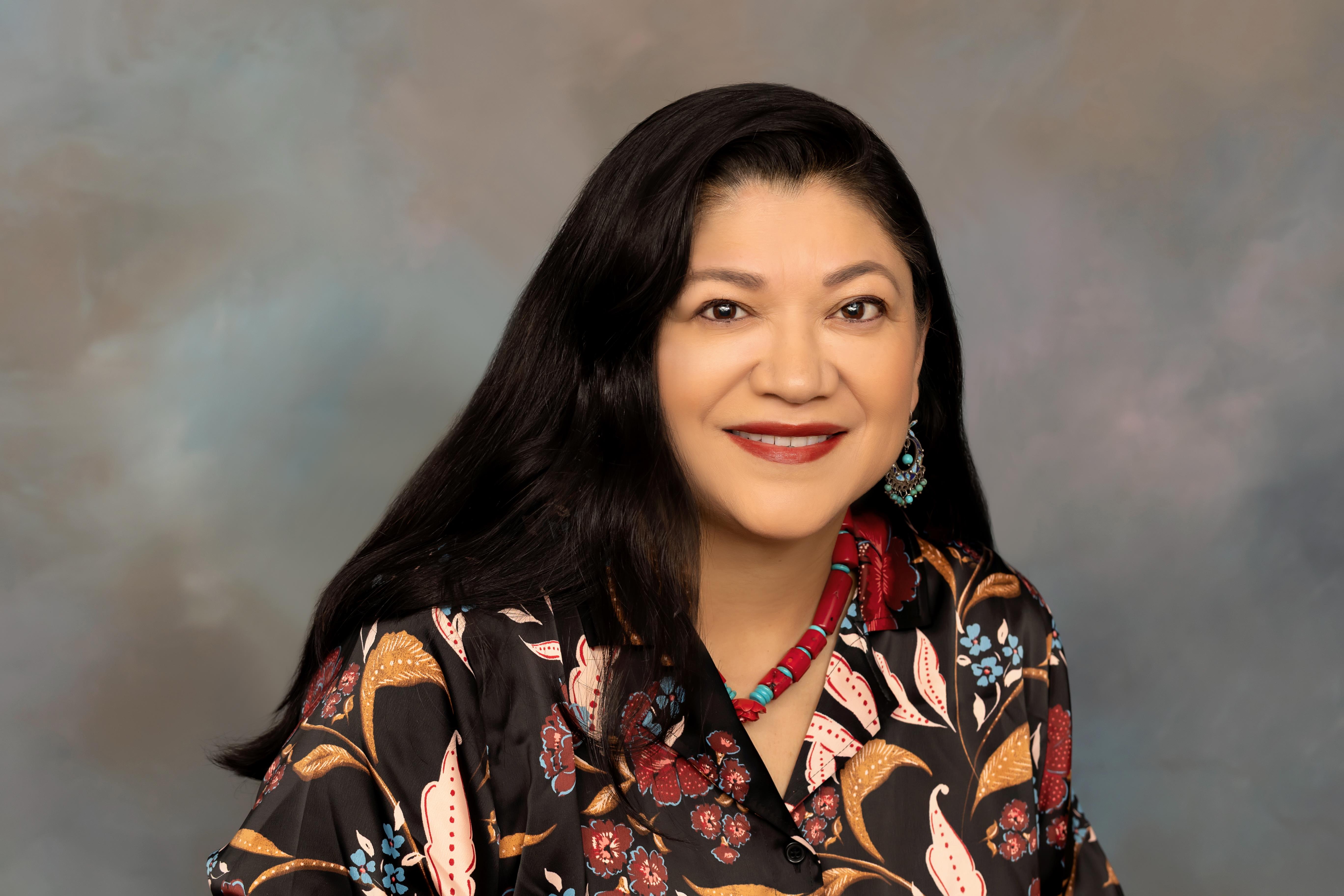
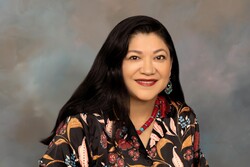
Photograph by Ara Arbabzadeh
Reyna Grande is an award-winning author, motivational speaker, and writing teacher. As a young girl, she crossed the US–Mexico border to join her family in Los Angeles, a harrowing journey chronicled in The Distance Between Us, a National Book Critics Circle Award finalist. Her other books include the novels A Ballad of Love and Glory, Across a Hundred Mountains, and Dancing with Butterflies, the memoirs Migrant Heart, The Distance Between Us: Young Readers Edition, and A Dream Called Home, and the anthology Somewhere We Are Human: Authentic Voices on Migration, Survival, and New Beginnings. She lives in Woodland, California, with her husband and two children. Visit ReynaGrande.com for more information.
Product Details
- Publisher: Atria/Primero Sueno Press (May 12, 2026)
- Length: 256 pages
- ISBN13: 9781668055274
Browse Related Books
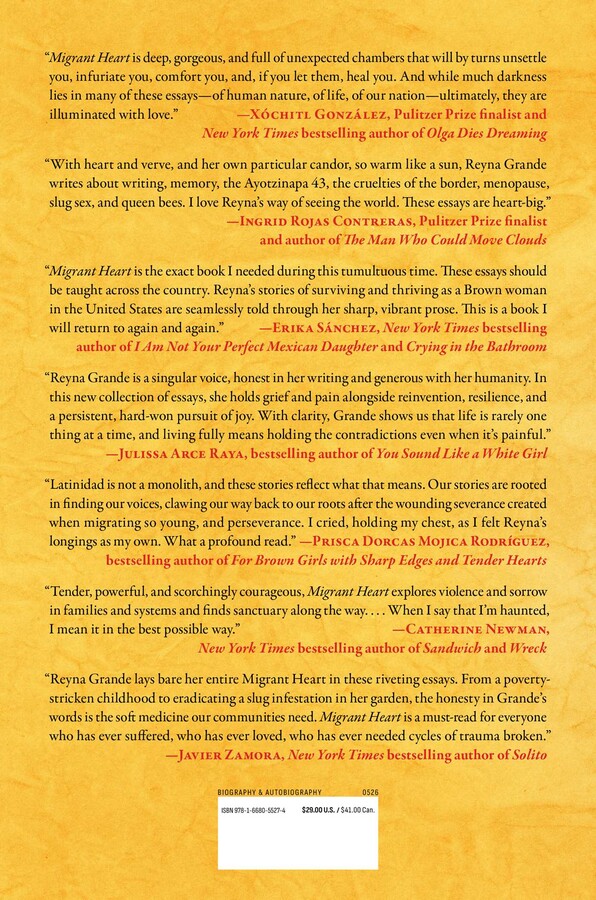
Raves and Reviews
"Migrant Heart is a powerful act of resistance, depicting the realities of migrant life and the trauma inflicted upon the immigrant community by U.S. policies, but refusing to let that narrative overshadow the joy and humanity of migrants and undocumented immigrants... a gorgeously written testament to that unstoppable spirit."
– —BookPage, starred review
"Reyna Grande lays bare her entire Migrant Heart in these riveting essays. From a poverty-stricken childhood to eradicating a slug infestation in her garden, the honesty in Grande’s words is the soft medicine our communities need. Migrant Heart is a must-read for everyone who has ever suffered, who has ever loved, who has ever needed cycles of trauma broken.”
– Javier Zamora, New York Times bestselling author of Solito
"Tender, powerful, and scorchingly courageous, Migrant Heart explores violence and sorrow in families and systems and finds sanctuary along the way… When I say that I'm haunted, I mean it in the best possible way."
– Catherine Newman, New York Times bestselling author of Sandwich and Wreck
“Latinidad is not a monolith, and these stories reflect what that means. Our stories are rooted in finding our voices, clawing our way back to our roots after the wounding severance created when migrating so young, and perseverance. I cried, holding my chest, as I felt Reyna’s longings as my own. What a profound read."
– Prisca Dorcas Mojica Rodríguez, bestselling author of For Brown Girls with Sharp Edges and Tender Hearts
"Reyna Grande is a singular voice, honest in her writing and generous with her humanity. In this new collection of essays, she holds grief and pain alongside reinvention, resilience, and a persistent, hard-won pursuit of joy. With clarity, Grande shows us that life is rarely one thing at a time, and living fully means holding the contradictions even when it’s painful."
– Julissa Arce Raya, Best Selling Author of You Sound Like a White Girl
"Migrant Heart is the exact book I needed during this tumultuous time. These essays should be taught across the country. Reyna’s stories of surviving and thriving as a Brown woman in the United States are seamlessly told through her sharp, vibrant prose. This is a book I will return to again and again."
– Erika Sánchez, New York Times bestselling author of I Am Not Your Perfect Mexican Daughter and Crying in the Bathroom
"With heart and verve, and her own particular candor, so warm like a sun, Reyna Grande writes about writing, memory, the Ayotzinapa 43, the cruelties of the border, menopause, slug sex, and queen bees. I love Reyna’s way of seeing the world. These essays are heart-big."
– Ingrid Rojas Contreras, Pulitzer Prize finalist and author of The Man Who Could Move Clouds
"Migrant Heart is deep, gorgeous, and full of unexpected chambers that will by turns unsettle you, infuriate you, comfort you, and, if you let them, heal you. And while much darkness lies in many of these essays—of human nature, of life, of our nation—ultimately, they are illuminated with love.”
– Xóchitl González, Pulitzer Prize finalist and New York Times bestselling author of Olga Dies Dreaming
Resources and Downloads
High Resolution Images
-
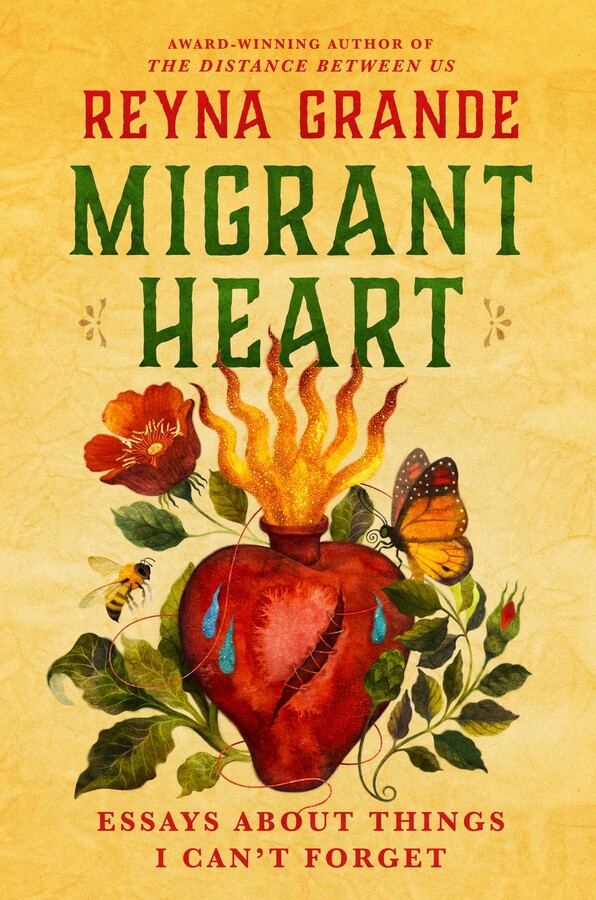
Book Cover Image (jpg): Migrant Heart
Hardcover 9781668055274
-
Author Photo (jpg): Reyna Grande Photograph by Ara Arbabzadeh(0.1 MB)
Any use of an author photo must include its respective photo credit
Join our mailing list!
By clicking 'Sign me up' I acknowledge that I have read and agree to the privacy policy and terms of use.